• 2 min de lectura
• 2 min de lectura
The Port of Barcelona's Board of Directors, meeting today, approved the award of the drafting of the construction project and the execution of the new medium-voltage electrical infrastructure that will supply electricity to the Adossat dock to the Temporary Union of Companies (UTE) formed by Regenera and Adiante. The work will involve an investment of 12,139,529 euros (excluding VAT) and has an execution period of 23.5 months.
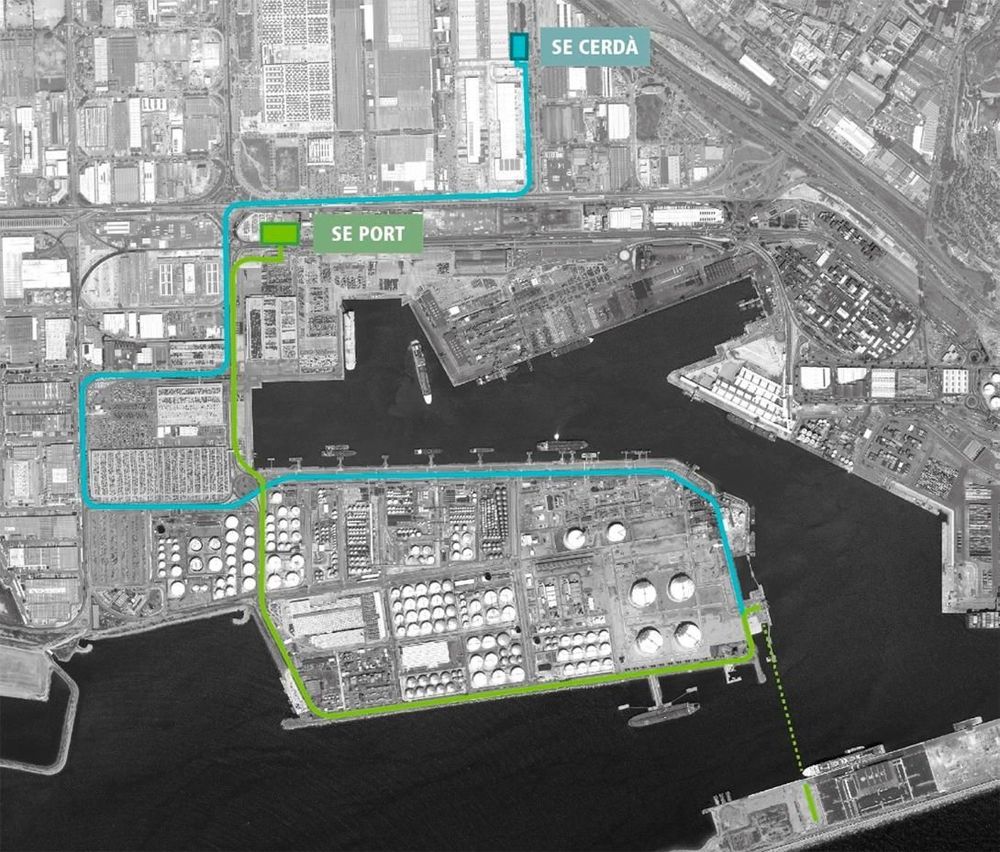
The tender includes the drafting of the project and the management of the technical documentation and necessary permits for the commissioning of this new medium-voltage network, with a capacity of 25 KV; and the construction of the new electrical infrastructure. This will be developed in two independent lines: one will supply electricity from the Port substation, currently under construction; the second will supply electricity from the Cerdà substation. The two lines will converge in the submarine connection being built between the Energia and Adossat docks and will provide electricity to the Adossat dock, guaranteeing the necessary electrical power for the operation of the Onshore Power Supply (OPS) systems of the cruise and ferry terminals on this dock and reinforcing the electrical supply to this area of the Port.
It should be noted that this is the last remaining work to electrify the Adossat dock, where all cruise terminals and the future Baleària ferry terminal will be located. So far, the following actions have already been undertaken: connection rights to REE, new high-voltage connection and Port substation, OPS for Terminal H (MSC), OPS for Terminal G (Royal Caribbean), and the submarine connections between the Energia dock and the Adossat dock.
The infrastructure now awarded allows progress in the development of the Nexigen Dock Electrification Plan, one of the main pillars of the Port of Barcelona's environmental sustainability strategy. The Nexigen Plan, in which more than 200 million euros will be invested, has already begun to supply energy to ships (container ships and ferries) so that they can stop their auxiliary engines while moored, with the aim of reducing emissions and improving air quality in the port environment.