

• 3 min de lectura
• 3 min de lectura

Hemolytic Uremic Syndrome (HUS) is a serious foodborne illness (FBI) caused by a toxin produced by the bacterium Escherichia coli which can be present in the feces of animals and people and spread through undercooked meat, contaminated water, or poorly sanitized hands. It mainly affects the kidneys and can cause serious complications, which is why the National Agri-Food Health and Quality Service (SENASA) emphasizes the importance of taking extreme precautions in the food production and consumption chain.

In Argentina, awareness of this disease takes on special relevance every August 19, established by Law 26,926 as the National Day of the Fight against HUS, in homage to the birth of Dr. Carlos Arturo Gianantonio, a pioneer of Argentine pediatrics and an international reference in the study of this disease.
While anyone can contract the infection, children under 5 years of age constitute one of the most vulnerable groups, because their intestinal defenses are not yet sufficiently developed. Immunosuppressed people can also present severe conditions.

In the presence of any of the following symptoms, it is essential to go to a medical center immediately:
Fever, vomiting, and diarrhea, with or without blood in the stool.
Irritability, extreme weakness or lethargy.
Little or no urine production.
Marked pallor or jaundice (yellowing of the skin).
Appearance of bruises or small red subcutaneous spots (petechiae).
The infection can evolve into acute kidney failure and leave lifelong sequelae or require complex treatments, such as dialysis or transplantation. Therefore, prevention is fundamental.
Although SENASA carries out permanent controls in slaughterhouses and industry to minimize the presence of the bacteria in the food chain, hygiene guidelines and safe food handling at home constitute an essential barrier for the prevention of the disease.

The main recommendations are:
Complete cooking of meat: cook all meats very well until there are no pink or red areas inside. If possible, ensure they reach an internal temperature of 71 °C.
Avoid offering ground meat to children under 5 years of age: during grinding, bacteria that may be on the surface of the meat are distributed throughout the food, so it requires complete cooking.
Avoid cross-contamination: use different cutting boards and knives to handle raw meats and ready-to-eat foods, such as salad vegetables or fruits.
Refrigerator placement: store raw meat in closed or airtight containers, on the lower shelves of the refrigerator, to prevent its juices from dripping onto other foods.
Frequent hand washing: wash hands with soap and water before and after cooking, after going to the bathroom, changing diapers, or touching animals.
Washing fruits and vegetables: wash fruits and vegetables thoroughly before consuming them.
Cold chain and safe water: keep perishable foods refrigerated and consume only potable or safe water.
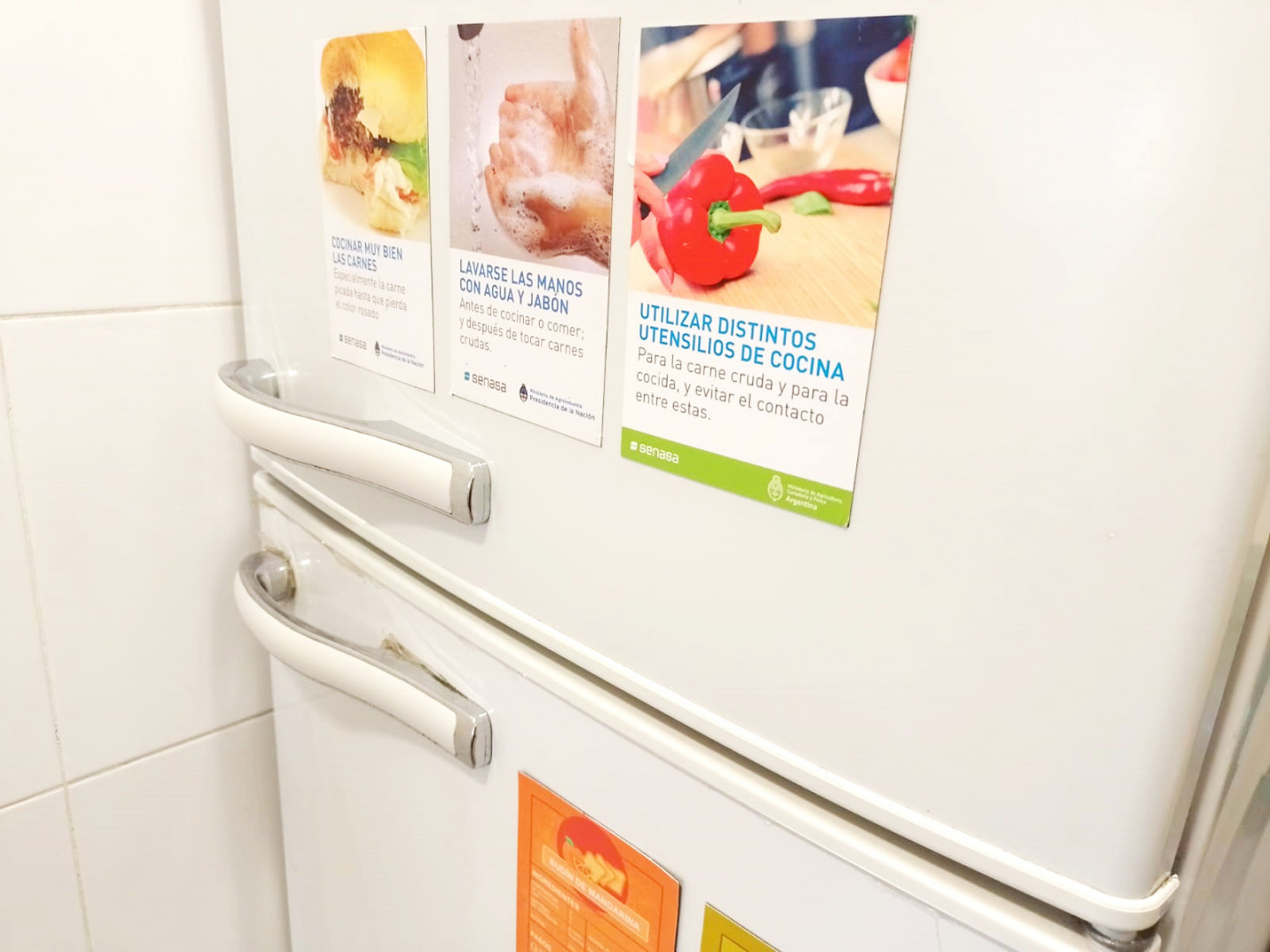
Preventing hemolytic uremic syndrome requires incorporating simple habits of hygiene, cooking, and safe food handling into daily routine.
These practices, along with the controls carried out throughout the food chain, constitute fundamental tools to protect the health of consumers and, especially, of the youngest ones.

