The Secretariat of Agriculture, Livestock, and Fisheries of the Ministry of Economy of the Nation highlights that, between December 2023 and October 2026, Argentina received 60 international audits, with an average of 20 per year, carried out by sanitary authorities from countries interested in importing Argentine agri-food products.
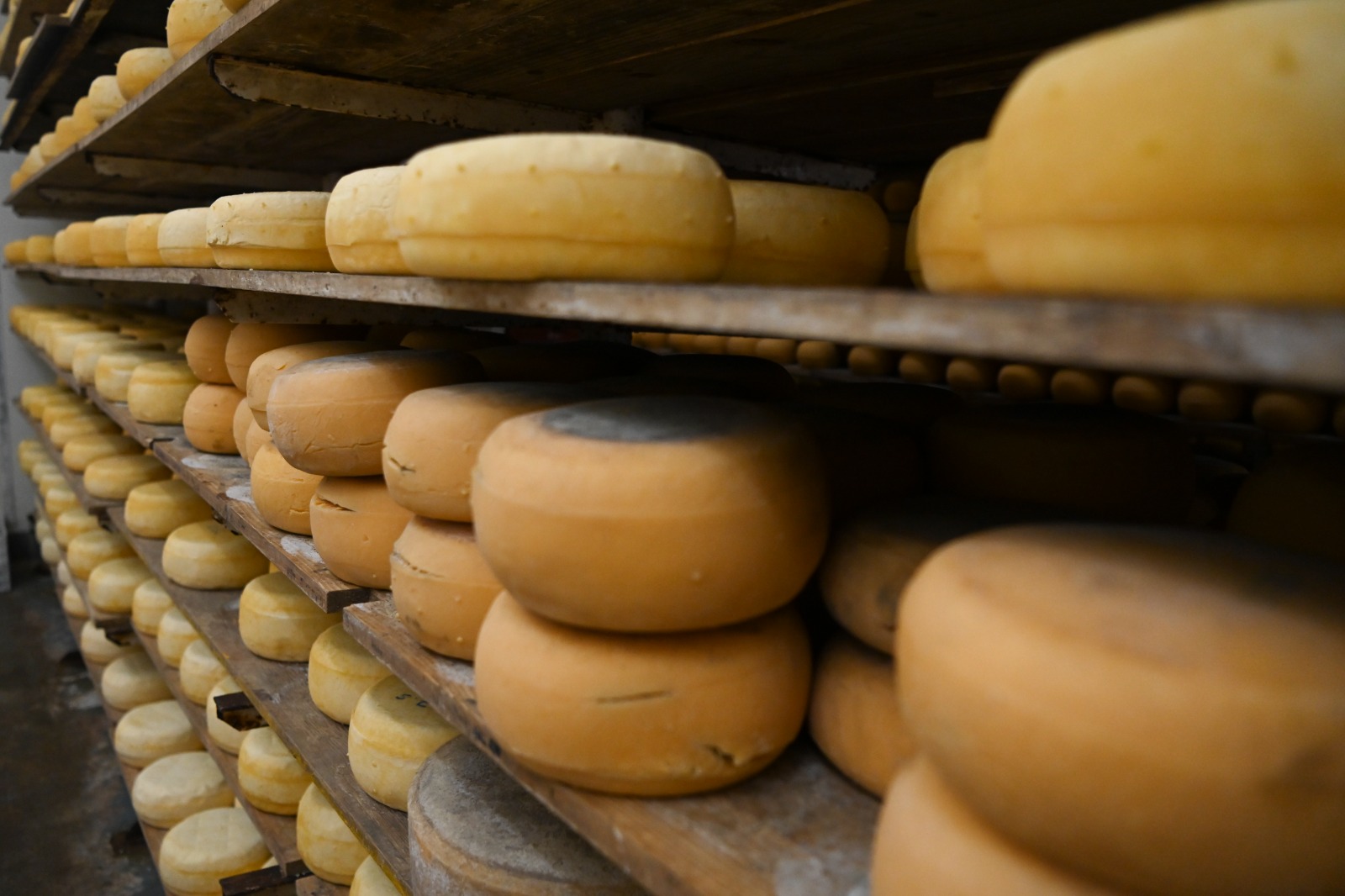
Chile and China conducted the most audits, with evaluations primarily related to beef, dairy, fruits, and the recognition of sanitary conditions. They were followed by Brazil, with 5 audits; Korea, with 4; and the Philippines, Mexico, and Peru, with 3 each. The remaining countries registered between 1 and 2 audits, covering a wide variety of products, including meats, fishery products, dairy, animal genetics, seeds, and animal feed.
Audits are a key tool for sustaining and expanding access to international markets, as they allow verification of compliance with food safety, animal health, and phytosanitary protection requirements.
Their results contribute to maintaining enabled markets, opening new destinations, and expanding the products authorized for export.
For the remainder of 2026 and during 2027, new audits are expected from the Philippines, Japan, Chile, Thailand, and Korea, related to meat products, dairy products, and the authorization of establishments.
Likewise, the European Union has confirmed 4 on-site audits for 2027, which will cover food safety, residue and contaminant controls, and sanitary aspects in products of animal and plant origin.
The National Service of Agrifood Health and Quality (Senasa), which leads these audit processes, guarantees animal health, plant protection, and food safety and quality.