• 4 min de lectura
• 4 min de lectura
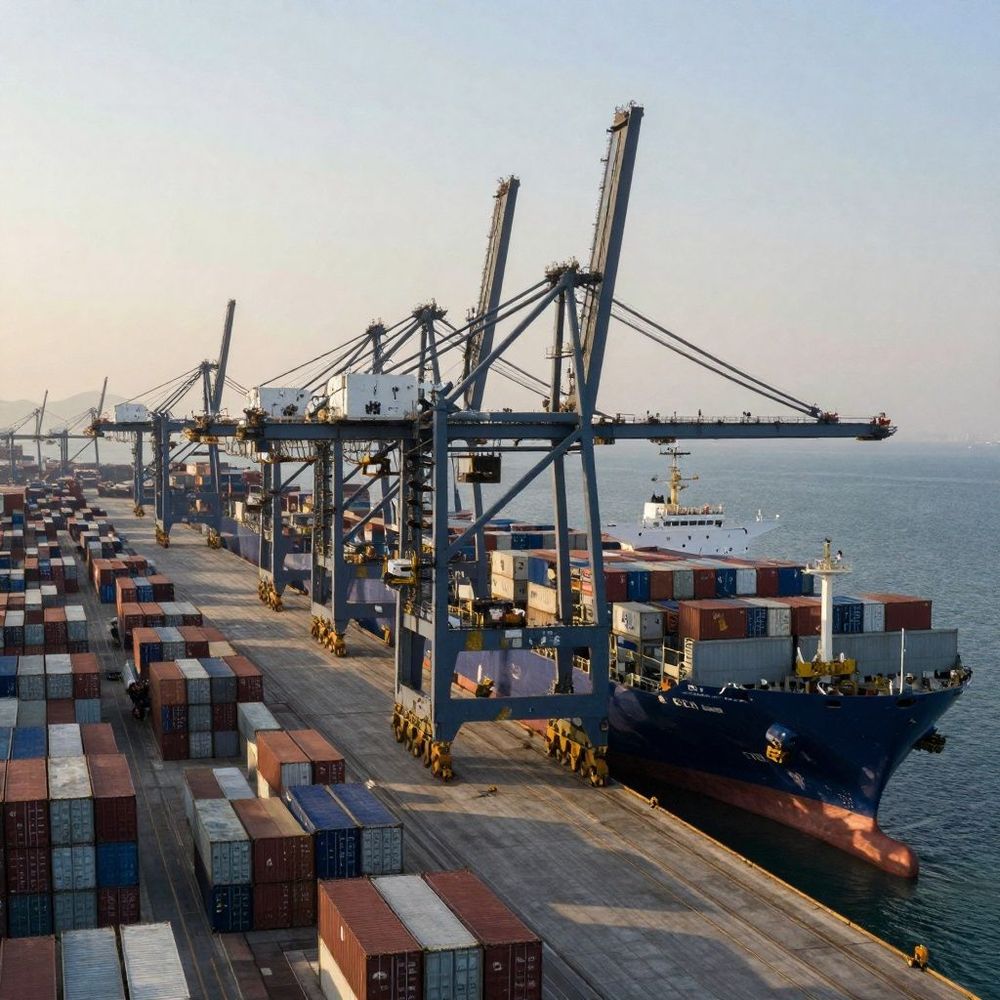
Santander, July 2, 2026 The Councillor for Presidency, Justice, Security and Administrative Simplification, Isabel Urrutia, has highlighted the "coordination and joint work" of the different entities involved in responding to major emergencies such as the one simulated this morning at the Port of Santander. The exercise, which simulated a chemical risk, was organized by the Government of Cantabria, together with the company Chane Terminal, as part of the preventive activities it permanently carries out with industries affected by the SEVESO regulations.
For the councillor, drills "are a fundamental part of the Civil Protection and emergency management system, because they allow all procedures and ways of acting in very critical and changing situations to be coordinated." In this regard, she also highlighted their usefulness as a tool to involve and raise awareness among the population, "who must be an active agent in case of emergency, helping to avoid new risks or minimize existing ones."
Tests of the ES-Alert public warning system, in this case to mobile phones located at different points around the bay, or the sirens activated in the industrial complex, also serve, Urrutia explained, to "familiarize citizens with the preventive systems we have, so that they know how to manage the information they receive and act in a real emergency." "Knowledge of risks and how to act in response to them makes the population another agent in emergency management," concluded the head of Security of the Executive.
Similarly, the President of the Port Authority, César Díaz, stated that for the entity "it is essential to participate in this type of exercise, as it allows us to check the coordination between all the organisms involved and verify that our action procedures work effectively." "The safety of people, facilities and the port environment is the top priority," he said, and the holding of this type of drill "demonstrates our commitment and that of the rest of the administrations, companies and emergency services to the protection of the port and the entire bay, helping us to strengthen our response capacity to any possible scenario."
The drill recreated a rupture of a ship's discharge hose with an ethanol spill into the sea and onto the breakwater, where a fire broke out with missing workers. The operation was complicated by unfavorable weather conditions for resolving the emergency, such as wind blowing towards populated areas and high temperatures, which concluded with the rescue and transfer of several injured people from the port area to Valdecilla. To minimize the effects of the incident, the deployment of maritime pollution containment barriers, fire extinguishing, and the evacuation of victims were recreated, in close contact with the hospital for the appropriate treatment of those affected by burns and respiratory problems.
For emergency management, an Operational Coordination Center (CECOP) was set up at the Port Authority facilities, an Advanced Command Post (PMA) in the vicinity of the company, and the intervention device was simulated by setting up two operational tables representing the hot zone and the temperate zone of the emergency.
With this exercise, the Executive, Chane Terminal as the company subject to the practice, the Port of Santander, and entities dedicated to emergency work at the three institutional levels, have exercised both the activation of the plant's External Emergency Plan, dedicated to the reception, storage and dispatch of bulk liquid chemical products, as well as the port's self-protection plans and the Internal Maritime Plan, in the face of a possible pollution impact.
The exercise involved around 40 people from the different organizations, administrations and entities that make up the Civil Protection and emergency management system: government firefighters, 112 Cantabria control room staff, Maritime Captaincy, Maritime Rescue, AEMET, 061, Santander Firefighters, Red Cross, Government Delegation, General Directorate of Industry, Santander City Council, National Police, Civil Guard, Local Police, Port Police, Port Authority of Santander, as a collaborating entity, and the General Directorate of Security and Chane Terminal, as organizers of the exercise.
Annual emergency program
This drill is part of an annual program of the Government of Cantabria, which promotes the joint training of emergency services and entities involved in the management and intervention in critical situations. This year, three drills have been scheduled with companies that present chemical risk and are affected by the SEVESO regulations (Gasib, Chane Terminal and Birla), another four in which complex situations requiring the activation of Special Civil Protection Plans will be simulated (PLATERCANT, INFOCANT and TRANSCANT, one in a tunnel and another with radiological risk), and one more for speleological rescue.