• 2 min de lectura
• 2 min de lectura
Daily transit through the Strait of Hormuz remained stable at three vessels between July 22 and 24, according to maritime tracking data from the firm Kpler.
The stagnation of the flow occurs amidst persistent risks to navigation in the Middle East and a new surge in oil prices, which reached $100 per barrel.
Recently, a loaded Very Large Crude Carrier (VLCC), the Romania Prosperity, appeared off Fujairah, outside the strait, transporting Murban crude, although its destination is currently unknown. Likewise, two unloaded agricultural product bulk carriers exited the strait towards the Gulf.
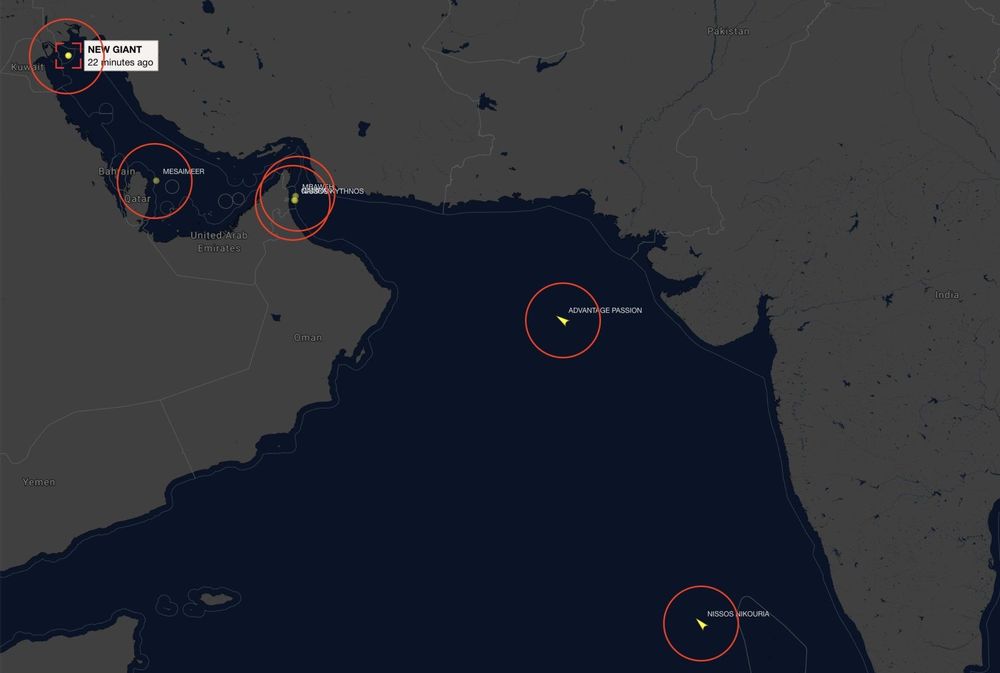
On Thursday, July 23, the VLCC New Giant, loaded with two million barrels of Iraqi Basrah crude, transited the Strait of Hormuz en route to the Chinese port of Rizhao, where it is expected to arrive in mid-August.
On the same day, two other vessels—including the unloaded VLCC Noble—entered the Gulf via the same route, while the United States Army reported its thirteenth consecutive night of attacks against Iran.
Regarding the Bab el-Mandeb Strait, Kpler data showed a rebound in merchant vessel transit, reaching 32 crossings on July 23 (up from 26 the previous day).
Of that total, 14 vessels entered the Red Sea and 18 exited towards the Gulf of Aden. For July 24, two passages were recorded in the early hours of the day.
Of the 18 units that exited Bab el-Mandeb, nine were transporting crude oil, including two China-linked VLCCs fully loaded and destined for the Asian giant.
Separately, maritime tracking data from Kpler and LSEG revealed that the vessel Torm Innovation—carrying about 500,000 barrels of naphtha to Asia—made a turn to exit via the Suez Canal instead of the usual route through Bab el-Mandeb.
According to regional trade sources, diverting vessels to Asia via Suez could triple the journey duration.
Given this scenario, Saudi Aramco has begun offering additional crude oil shipments from the Egyptian port of Sidi Kerir, in the Mediterranean, as a strategic alternative to avoid loading at its Red Sea terminals.