• 2 min de lectura
• 2 min de lectura
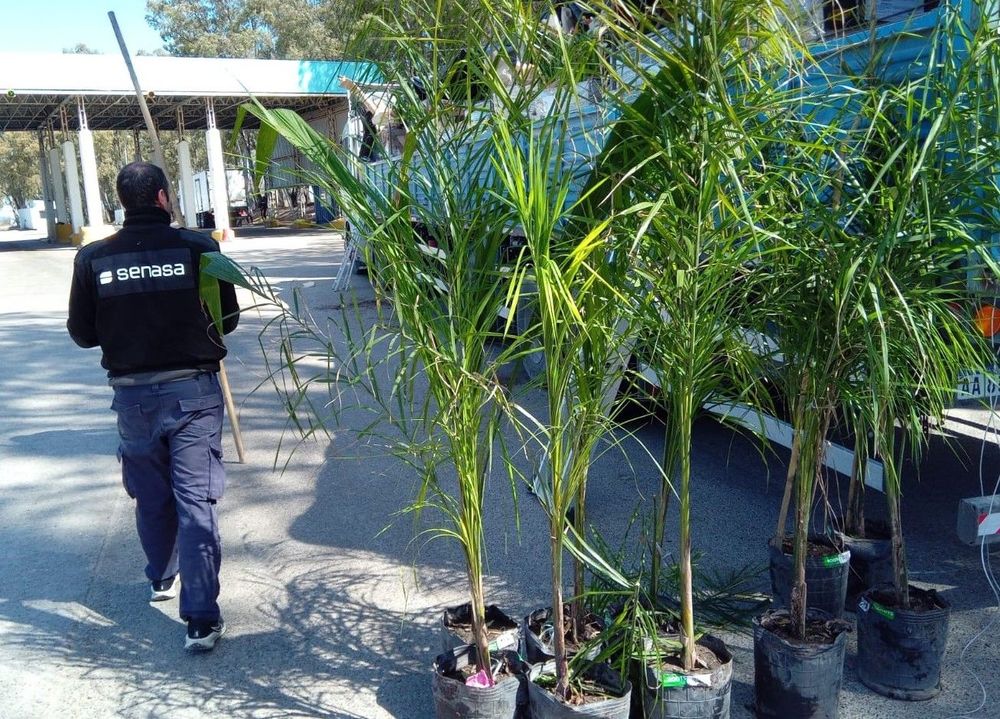
During inspections at the Patagonian Sanitary Barrier checkpoints, the National Agrifood Health and Quality Service (SENASA) detected the transport of 75 palm trees without the mandatory phytosanitary documentation. These species are regulated to prevent the spread of a quarantine pest known as the red palm weevil.
The plants were found in four different transports, carrying goods for nurseries from various locations in the Province of Buenos Aires (an area delimited as under phytosanitary emergency) to Río Negro, Chubut, and Santa Cruz. The inspections were carried out at the control post located at Km 714 of National Route N° 3, near Bahía Blanca.
At the time of inspection, SENASA agents verified that none of the 75 plants had the Electronic Plant Transit Document (DTV-e), the mandatory instrument that guarantees the traceability and safe origin of plant material. In accordance with current regulations, the plants were seized, while the rest of the merchandise that was in order was allowed to continue its journey to its destination.
The red palm weevil (Rhynchophorus ferrugineus) is a pest that can attack these plants in nurseries and at any stage of their development. The damage it causes is rapid and severe, leading to leaf drop and even the death of the plant.
Due to its phytosanitary impact and its dispersal capacity, it is essential to consult official sources to learn about its situation, characteristics, and prevention measures.
In case of suspected presence of this pest in the country, SENASA reminds of the importance of immediate notification through its official channels: dief@senasa.gob.ar and SINAVIMO.