• 3 min de lectura
• 3 min de lectura
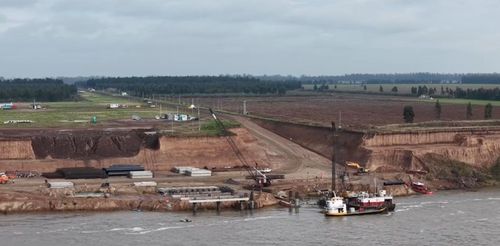
The National Service for Agri-Food Health and Quality (SENASA) confirmed the detection of the red palm weevil (Rhynchophorus ferrugineus) on a ranch located 7 km from Colonia Elía, Entre Ríos province, in an area close, across the river, to the Oriental Republic of Uruguay, where the pest is present.
The discovery was made following a report to SENASA regarding the suspected presence of the insect on a Canary Island palm (Phoenix canariensis), which showed symptoms consistent with the damage the pest can cause.
Given this situation, technicians from the sanitary agency took samples and eradicated the affected palm tree. The insect specimens were analyzed by the agency's Chajarí Laboratory, and the results confirmed the presence of Rhynchophorus ferrugineus. Following the confirmation, a contingency plan was implemented, with the aim of delimiting the outbreak and preventing the spread of the weevil.
Among the main actions of the plan are the intensification of monitoring in the area to detect any suspicious symptoms of the pest early, and the immobilization of plant material that could disperse different stages of the insect.
Since the declaration of the phytosanitary alert for the red palm weevil, SENASA has been working in coordination with the government of Entre Ríos province, the local municipalities, and the National Parks Administration (APN), on actions for prevention, monitoring, awareness, and preparation for an incursion of the pest into the region.
Additionally, the technical team from the agency's Entre Ríos Regional Center conducted training sessions for the community, providing information on how to recognize the insect and its main characteristics.
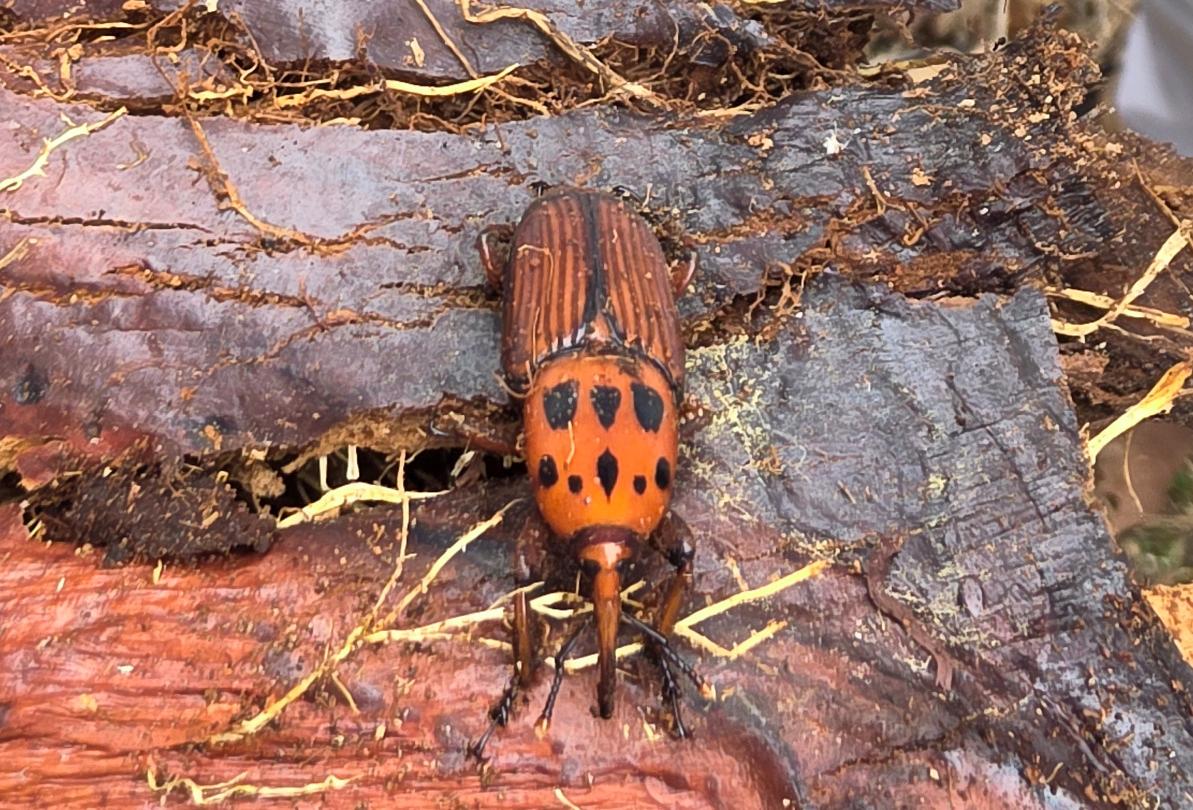
It is an insect that attacks palm trees during different stages of their development and can cause severe damage, from leaf drop to the death of the plant.
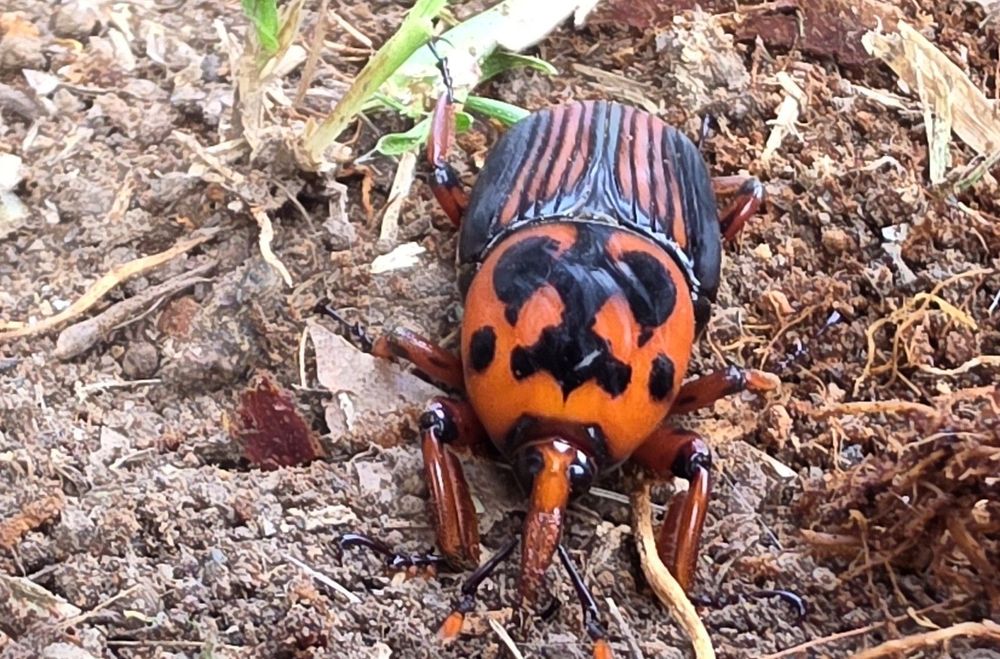
The adult can reach 5 centimeters in length. It has a reddish or orange coloration with black spots and is characterized by its long, slender snout.
This pest is present in Uruguay, where it has rapidly expanded its distribution area, increasing the pressure of entry into our country.
•Do not move insects, palm trees, plant remains, or other materials from the site.
•Report the suspicion to the Argentine National System for Pest Surveillance and Monitoring (Sinavimo) or to the local office of the sanitary agency.
More information about the pest can be found on the SENASA GEOPORTAL