• 3 min de lectura
• 3 min de lectura
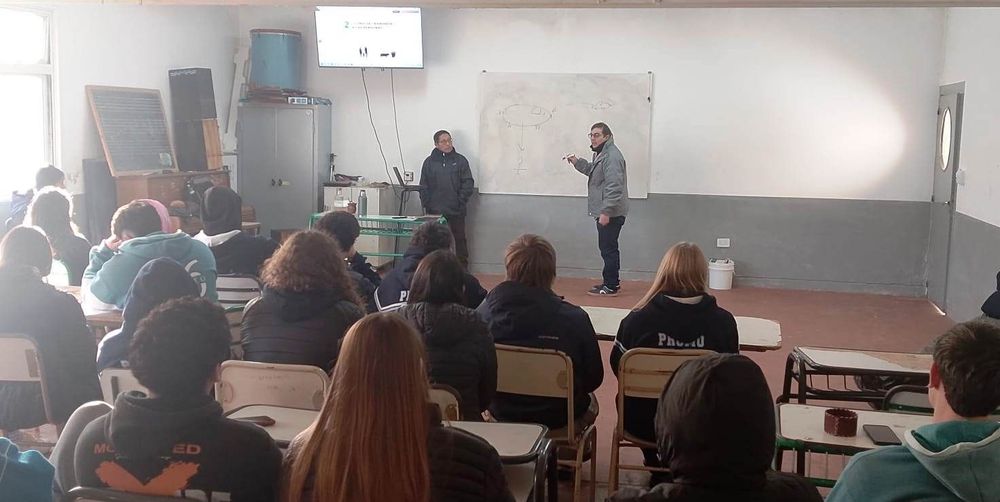
The National Agrifood Health and Quality Service (SENASA) carried out a comprehensive technical day of dissemination and prevention on plant protection and animal health for 4th and 5th-year students of the Agrotechnical Education School N° 24 “Gral. José de San Martín”, located in the Entre Ríos town of Concordia.
The activity, framed within the commemorations for Veterinary and Agronomy Sciences Day, was led by specialists from the regional Plant Protection and Animal Health coordinations of SENASA's Entre Ríos Regional Center who addressed two health issues with significant territorial impact: Huanglongbing (HLB) and trichinosis.
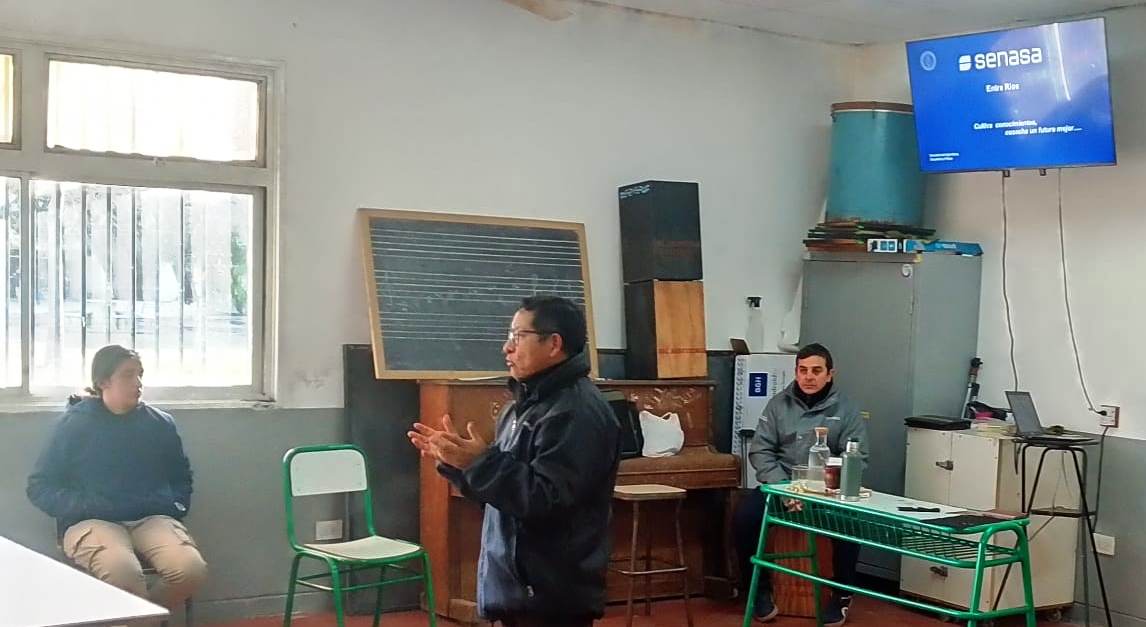
The meeting marked a milestone in the region, as it was the first time an educational outreach activity was comprehensively addressed through the articulated and joint work of two technical coordinations of the agency.
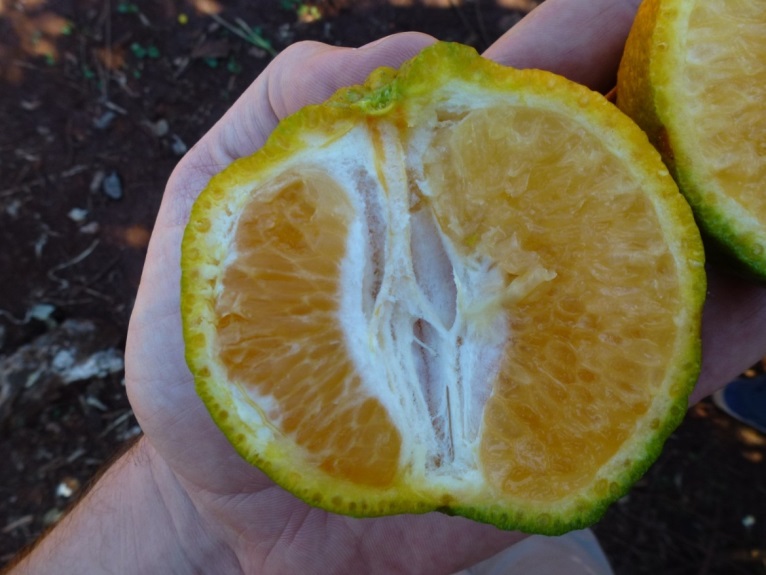
In the plant protection section, the technical team explained the risks of HLB, an incurable bacterial disease that destroys citrus plants, and detailed the biological cycle of its insect vector, Diaphorina citri, popularly known as the citrus psyllid, exhibiting biological samples in nymph and adult stages.
Likewise, SENASA agents emphasized the danger posed by the transport of fruit with leaves and the need to apply essential preventive measures such as conducting periodic monitoring in plantations, acquiring only certified plants from covered nurseries registered with SENASA, and transporting all propagation material obligatorily covered by the Electronic Plant Transit Document (DTV-e).
Regarding animal health, SENASA professionals presented on the prevention mechanisms for trichinosis, a parasitic zoonosis transmitted to humans by consuming raw or undercooked pork or wild animal meat containing Trichinella spp larvae.
SENASA's regional team emphasized the producer's role, particularly in the hygienic-sanitary conditions of establishments and rodent control, and also the obligation to perform the artificial digestion technique prior to preparing homemade pork products for consumption, reminding that traditional methods such as salting, smoking, or freezing do not eliminate the parasite.
For consumers, key recommendations were disseminated, such as acquiring pork and its derived products (cured meats, salted meats, sausages) that have labels and origin certification, only from authorized establishments. Furthermore, it was reminded that it is very important to cook pork until its interior completely loses its pink color and juices.

For SENASA's Entre Ríos Regional Center, articulated work with agrotechnical schools is strategic, as students are multipliers of good agricultural and livestock practices in their communities.
With these educational outreach actions, the Agency seeks to consolidate a direct communication channel with the community and generate a lasting territorial impact by integrating animal health, plant protection, and public health into a single prevention strategy and reaffirm its continuous commitment to safeguarding zoophytosanitary statuses.