• 2 min de lectura
• 2 min de lectura
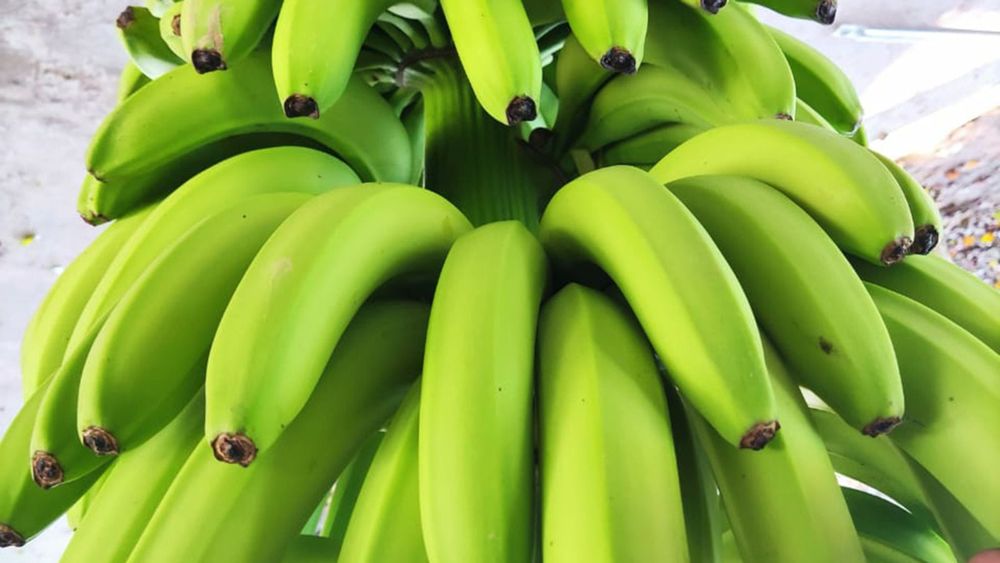
The National Agri-Food Health and Quality Service (SENASA) and representatives from the Ministries of Production and Mining, and Economic Development and Production of the provinces of Salta and Jujuy, held a meeting to address the implementation of Resolution 114/2026 of the Secretariat of Agriculture, Livestock and Fisheries regarding the entry of bananas into Argentina's Northwest region (NOA).
During the meeting, authorities from the National Directorate of Plant Protection and the SENASA NOA North Regional Center explained the functions and responsibilities of the Organization, the process of establishing and communicating phytosanitary requirements, the actions carried out by certifying inspectors at the country's entry border, and the documentation that supports transit and traceability (DTV-e) within Argentina.
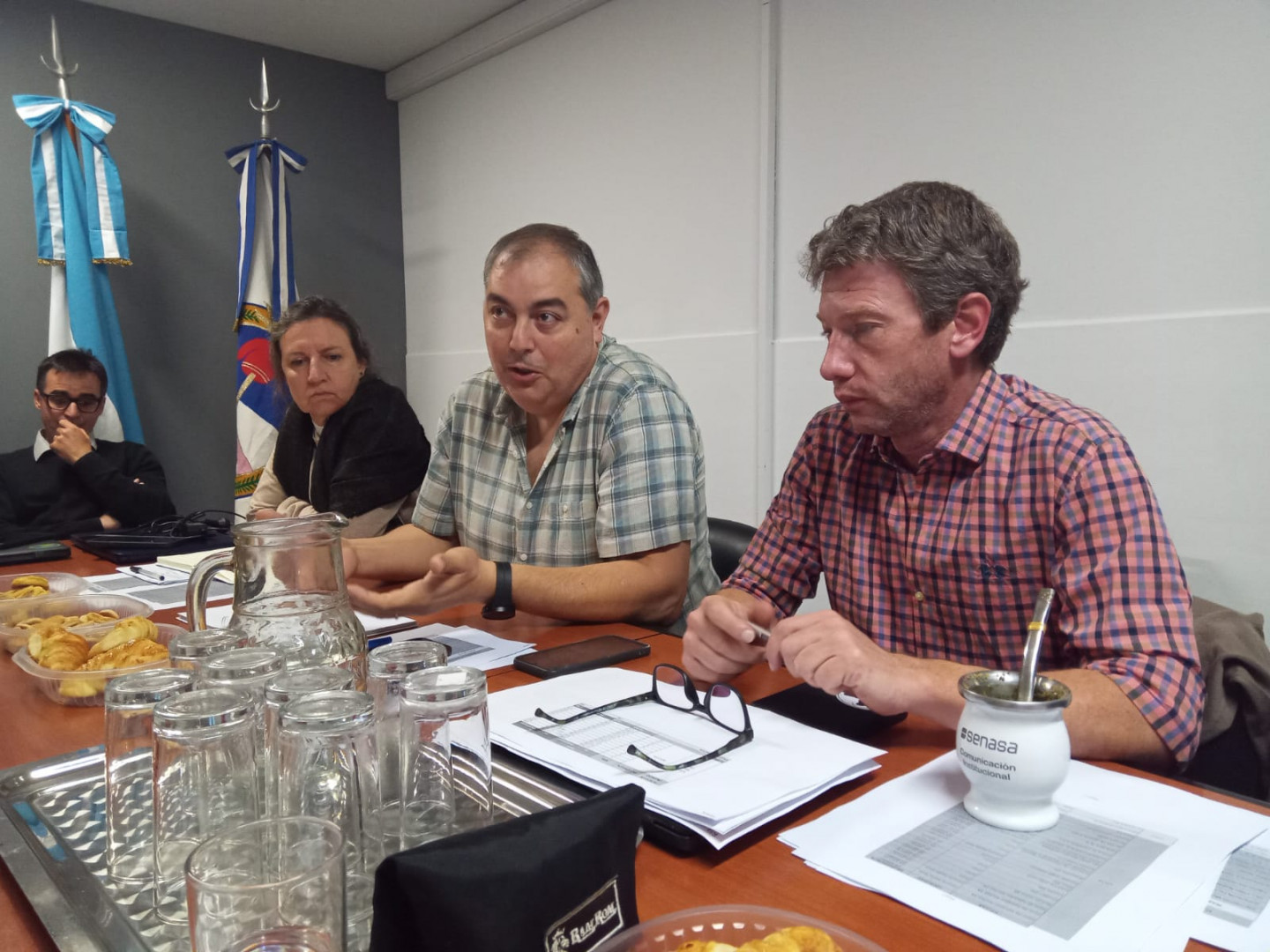
Subsequently, they explained how to view import and export requirements and the Organization's statistical data on the SENASA website. On this last point, work was done on dynamic import dashboards and the electronic Plant Transit Document (DTV-e).
Finally, a new meeting was proposed to coordinate concurrent controls between SENASA and both provinces, on roads and wholesale markets. It was also agreed to carry out efforts with relevant municipalities and provincial institutions for the regularization and registration of markets and fairs, and to advance in agreements with municipalities for the final disposal of confiscated goods.
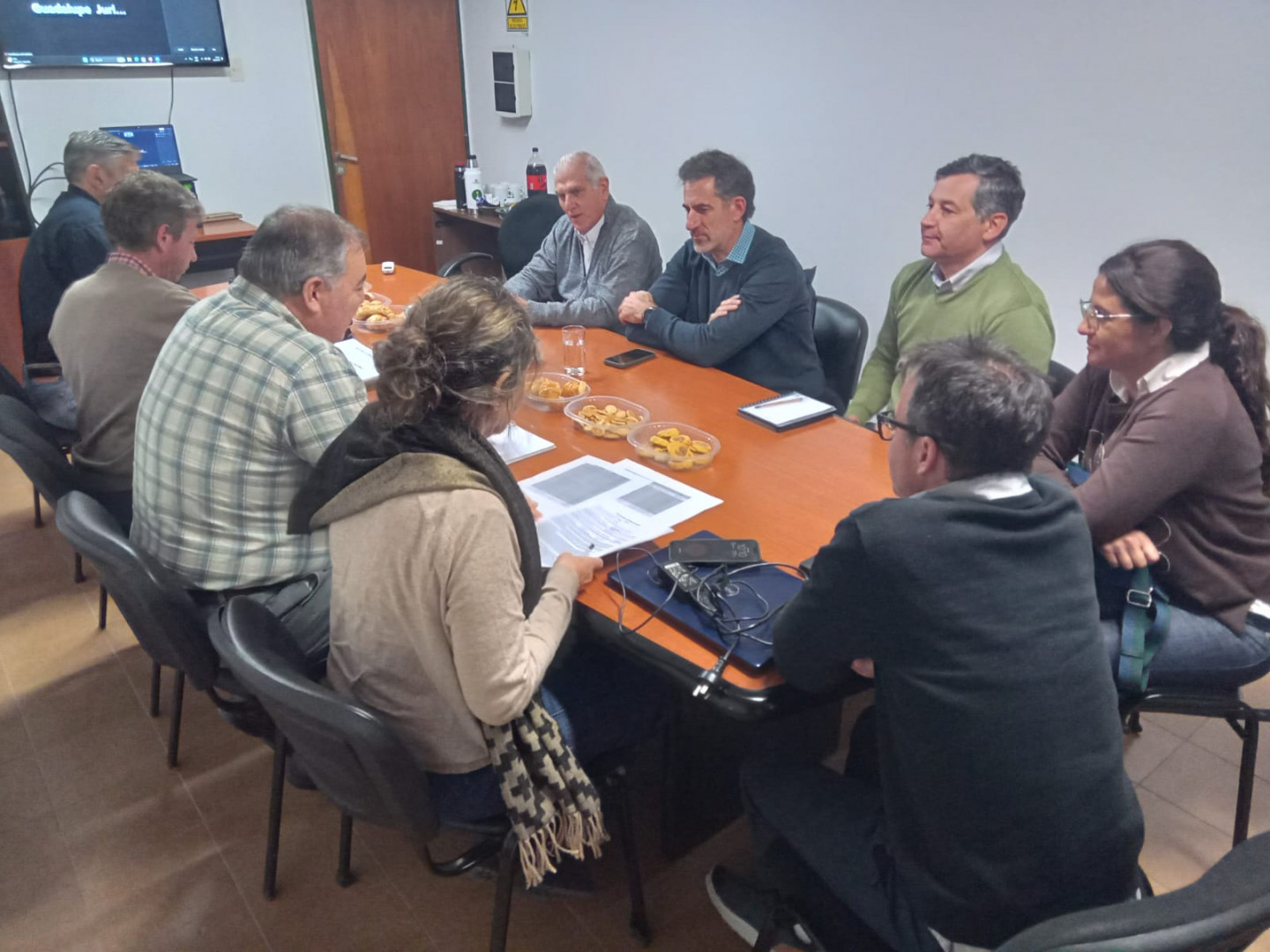
Participating in the meeting, on behalf of SENASA, were the directors of the NOA North Regional Center and Vegetable Foreign Trade along with their work teams, and representatives from the Ministries of Production and Mining of Salta, and Economic Development and Production of Jujuy.
These actions are part of a permanent work agenda carried out by SENASA in different regions of the country, with the aim of safeguarding animal and plant health and the safety and quality of agri-food products.