• 3 min de lectura
• 3 min de lectura
Prior to the beginning of spring, the National Service of Agrifood Health and Quality (SENASA) reminds producers about the sanitary actions for the prevention of equine encephalomyelitis (EE), a seasonal disease associated with rising temperatures and the proliferation of mosquitoes, its main vector.
EE is caused by a virus that affects the central nervous system, whose natural reservoirs are birds and rodents. The transmission cycle is amplified by hematophagous insects such as mosquitoes, which through their bite can infect equines and, to a lesser extent, people.
Thus, during the summer season and within the framework of the intense rains expected from the El Niño phenomenon, the increase in the mosquito population represents a key factor for the appearance and prevalence of the disease, which usually occurs in young horses.
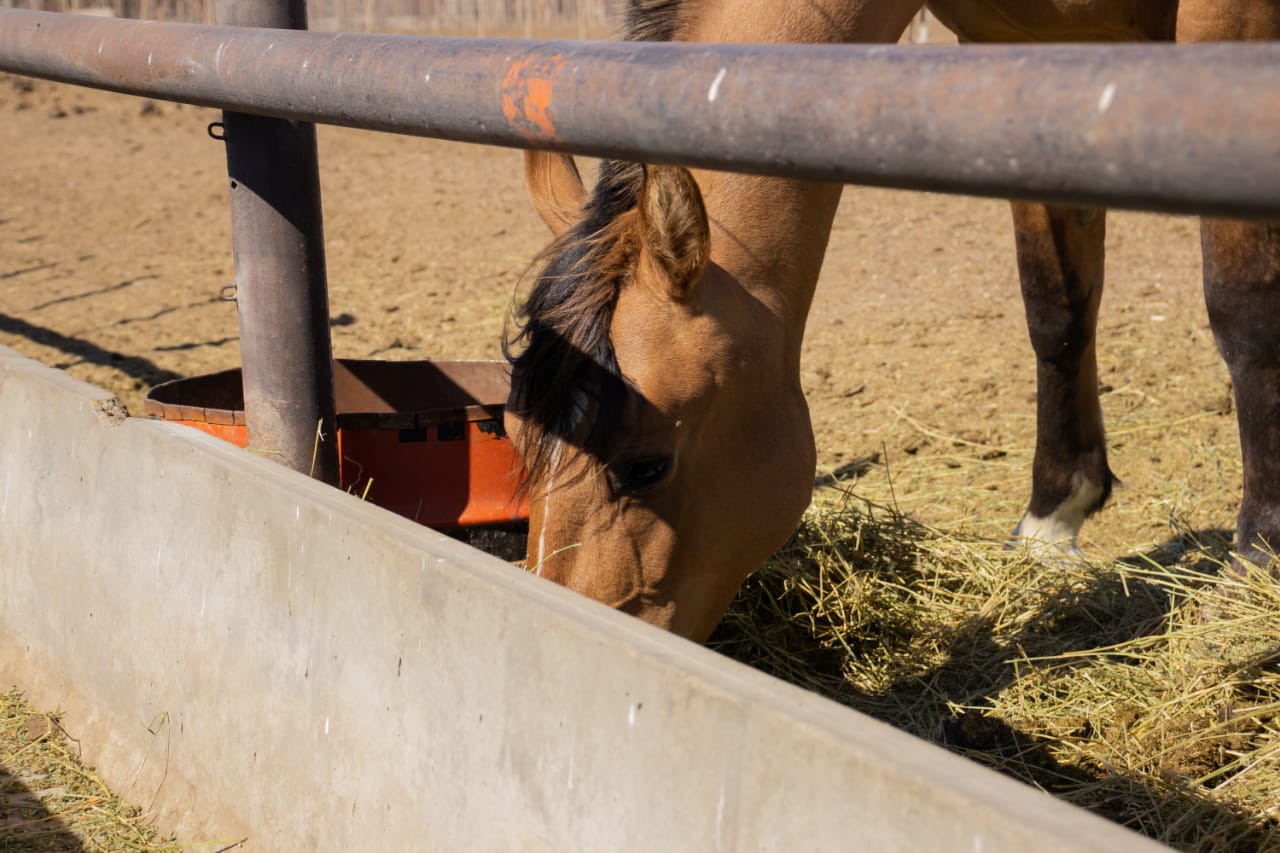
Commonly, EE develops asymptomatically or with a feverish condition. However, in its most acute clinical form, equines may show varied nervous signs, such as depression, altered mental activity, hypersensitivity, wandering, ataxia, hyperexcitability, intense itching, sometimes leading to death.
To reduce this epidemiological risk, the only effective and mandatory tool is vaccination, according to current regulations. From two months of age, equids must begin the vaccination schedule, which consists of an initial dose and a second booster, according to the deadlines specified in the manufacturer's laboratory prescription (2 to 4 weeks). For horses that have both doses, revaccination is annual.
The inoculation must be carried out by a registered veterinarian and accredited in a Certificate, Health Booklet or Equine Passport, with the signature and seal of the acting professional. Whatever its support, the data identifying each of the animals must be expressed, with all the vaccine information.
It should be noted that the acting professional must be accredited in equine health and welfare and will be responsible for issuing the vaccination certificate and registering it in the Integrated Animal Health Management System (SIGSA). It is recommended to consult the list of authorized vaccines by SENASA beforehand.
Another instrument to prevent mosquito bites and mitigate the risk of virus transmission is the application of repellents in equines. Although the use of these products does not inhibit the possibility of contracting EE, it is one of the actions that can be implemented to preserve the health of the animals.
It is recalled that equine encephalomyelitis is a disease of mandatory notification and that, upon observing nervous signs and/or compatible with it, it is essential to immediately notify SENASA, who will evaluate the sanitary situation that arises and will attend to the suspicion.