


In an informative session for park rangers of the Reserva Natural Formosa, located in Ingeniero Juárez, the National Agri-Food Health and Quality Service (SENASA) highlighted the importance of permanent monitoring of palm trees. In case of observing general wilting of the crown, damaged central leaves, and perforations in the trunk, or suspecting the presence of the red palm weevil (Rhynchophorus ferrugineus), it must be immediately reported.
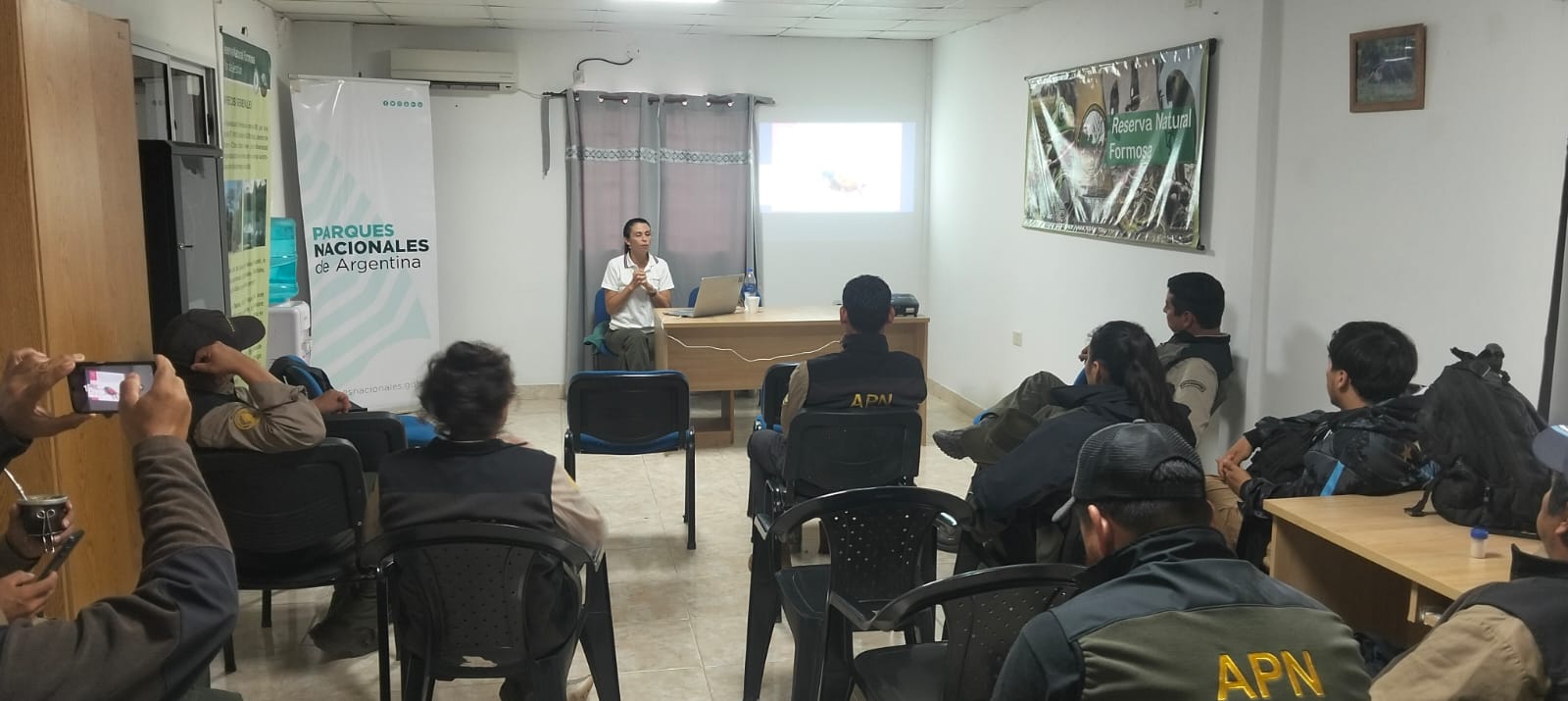
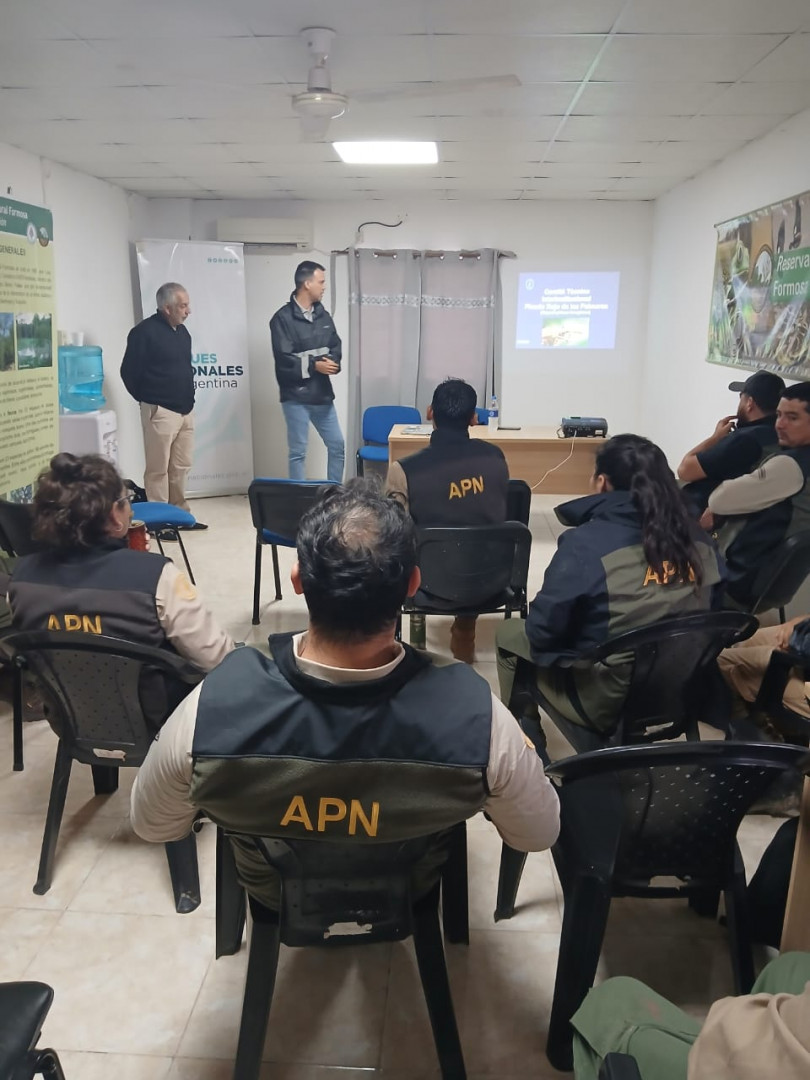
The meeting, organized inter-institutionally by the SENASA Chaco-Formosa Regional Center and the National Parks Administration (APN), was held within the framework of the national phytosanitary alert, with the aim of preventing this highly destructive exotic pest that threatens native (such as pindó, carandai, or yatay) and ornamental palm trees in the NEA region.
During the session, SENASA professionals explained the situation of the pest in the country and the region, the insect's biological cycle, how to recognize it, the symptoms for its detection, reporting, and addressing suspicions of the red palm weevil within the framework of the "Comunicar es cuidar" (Communicating is caring) campaign and the contingency plan in case of a pest incursion.
The red palm weevil is a beetle native to Southeast Asia, considered one of the most destructive pests for palm trees globally. It mainly affects ornamental and productive species such as the Canary Island date palm (Phoenix canariensis) and the date palm (Phoenix dactylifera), among others.
Adults have a characteristic reddish color and a length of between 2 and 4 centimeters. Females lay their eggs in wounds or cracks in the trunk, and the larvae feed on the internal tissue, causing the weakening and death of the plant.
• Acquire palm trees only from nurseries authorized and registered with SENASA.
• Restrict pruning of palm trees to a minimum and preferably carry it out during the colder months (winter).
• Do not use pheromone traps as they could attract insects.
• Since the pest is present in neighboring countries, do not import palm trees from other countries.
If the presence of this pest is suspected in the country, SENASA must be immediately notified through its official channels: dief@senasa.gob.ar and Form for reporting absent pests in Argentina.

