• 3 min de lectura
• 3 min de lectura
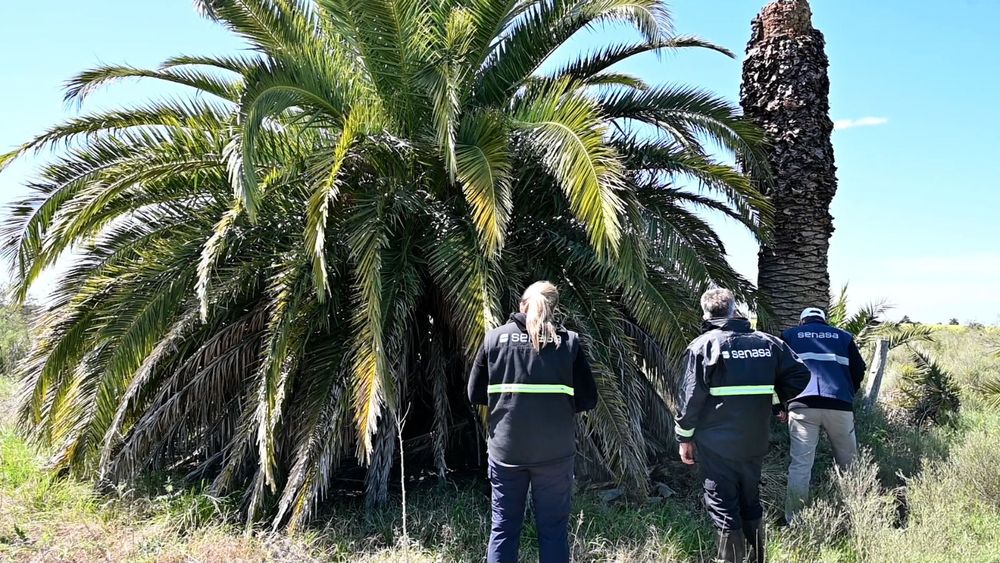
The National Agri-Food Health and Quality Service (SENASA) carried out an intensive surveillance and inspection operation in the departments of Concepción del Uruguay and Gualeguaychú (province of Entre Ríos) with the aim of mitigating the advance of the red palm weevil (Rhynchophorus ferrugineus).
The actions, which are part of the current phytosanitary emergency established by SENASA Resolution 133/26, were carried out by 24 agents from the National Directorate of Plant Protection and the regional centers of Entre Ríos, Corrientes-Misiones, Metropolitano, and Buenos Aires Norte of the Organization, who, to maximize geographical coverage, worked in a coordinated manner and divided into strategic zones.
Surveillance was strengthened after the detection of the pest last August in a rural establishment located near Colonia Elía, in an area of high biological sensitivity due to its fluvial proximity to the Oriental Republic of Uruguay, a country where the insect has been present since 2022.
Among the main actions of the plan are early monitoring, through active surveillance to detect any suspicious symptoms early, and preventive immobilization, through the restriction of the transfer of plant material that could disperse different stages of the insect.
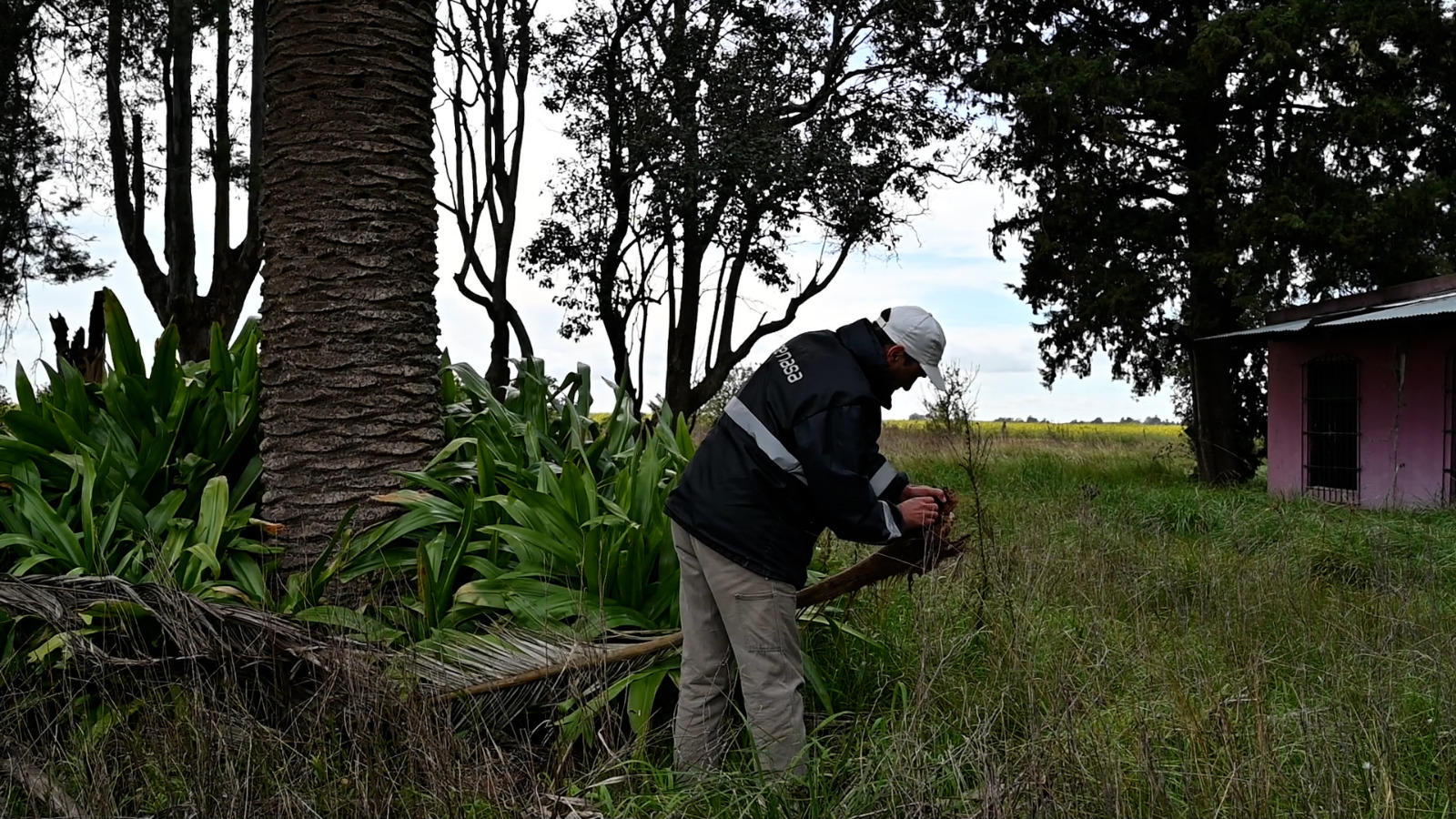
As a result of this rigorous inspection, visual inspection, georeferencing, and systematic survey work, more than 480 palm sites have already been inspected in Entre Ríos.
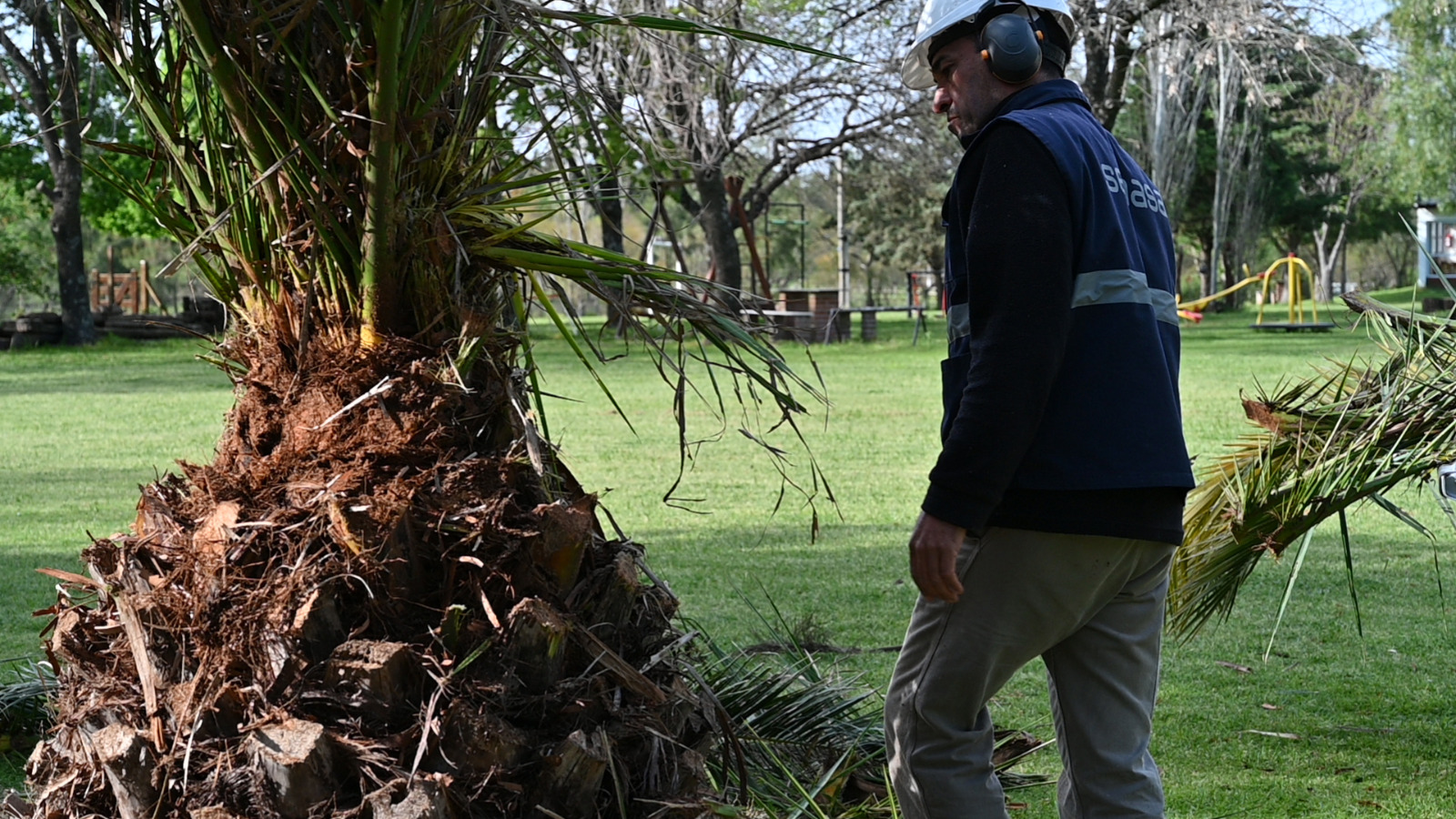
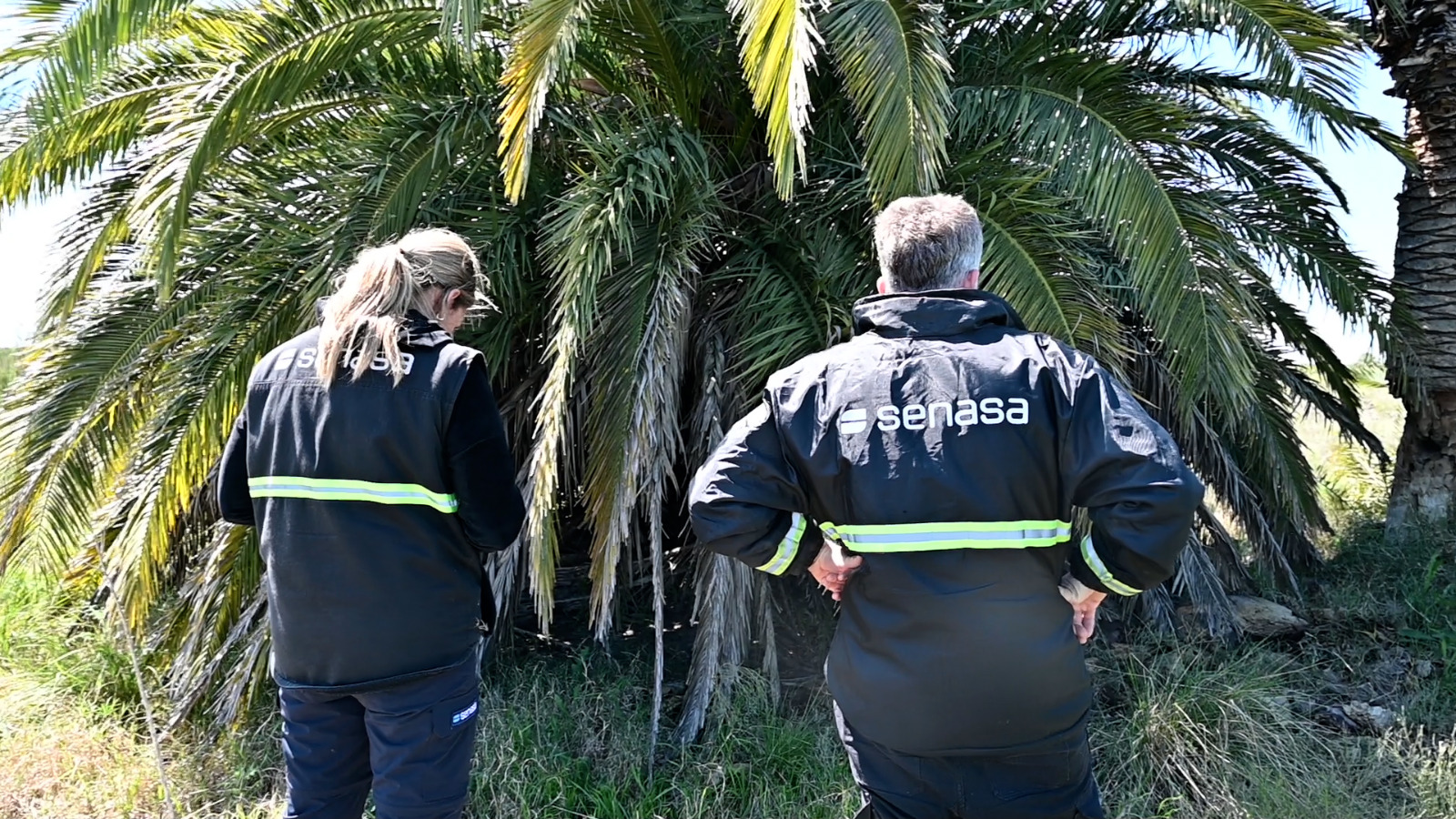
The intensive monitoring days in the departments of Concepción del Uruguay and Gualeguaychú extended to urban areas where agents inspected palm specimens without detecting symptoms of infestation and spoke with residents to raise awareness about the impact of the pest.
In Gualeguaychú, the technical teams carried out the review and cutting of a plant with severe damage and after the corresponding phytosanitary evaluation, confirmed that the damage was due to the presence of the pest Paysandisia archon, ruling out the finding of the red palm weevil in said specimen.
Since the declaration of the phytosanitary alert, SENASA has been working in a coordinated manner with the government of the province of Entre Ríos, the municipalities of the area, and the National Parks Administration (APN), joining efforts in prevention, monitoring, awareness, and preparation tasks for a possible incursion of the pest in the region.
The red palm weevil is a pest that affects different species of palm trees and can cause their severe deterioration and subsequent death, so its early detection is fundamental to implement measures that reduce the risk of dispersion to new areas.
The Phytosanitary Emergency status precisely establishes the legal and technical framework to continue and strengthen these joint actions, adapting control responses according to the evolution of the situation in the affected areas.
Active collaboration from fruit and vegetable producers, ornamental producers, and the community in general is important to contain the spread of the insect.

In the presence of suspicious symptoms in palm trees —such as general wilting of the crown, broken central leaves, or the appearance of galleries and cocoons at the base of the leaves— it is urgently requested not to move plant material and to make the corresponding report through the National Pest Surveillance and Monitoring System (Sinavimo) or at the nearest SENASA office.
For distribution maps and more technical data, interested parties can access the SENASA GEOPORTAL.