

Every decision regarding the use of antibiotics, anti-inflammatories, or other veterinary products has an impact that extends beyond the production establishment. Using them consciously allows for the preservation of animal health, ensures food safety, protects human health, and supports the quality of animal products that Argentina exports.
In this context, the National Service of Agrifood Health and Quality (SENASA) promotes the responsible use of veterinary products, especially in animals destined for food production, and highlights the importance of collaborative work among veterinarians, producers, laboratories, and other actors in the production chain.
Consulting a private veterinarian is key to defining the diagnosis, selecting the appropriate treatment, and performing the corresponding clinical follow-up. Therefore, veterinary products must be administered under professional guidance.
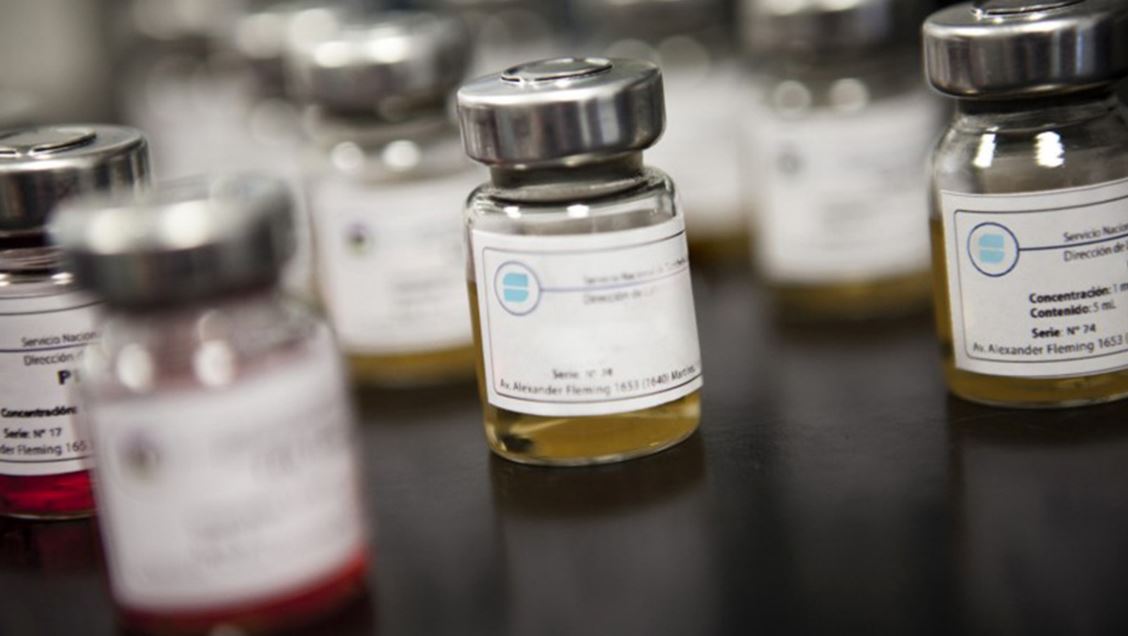
In this process, the veterinary prescription is a mandatory instrument that contributes to optimizing the management of pharmacological products, especially antimicrobials. Their incorrect use can favor antimicrobial resistance, a phenomenon by which microorganisms develop the ability to survive medications that previously combated them, making it difficult to treat infections in both animals and people.
Given this scenario, it is essential to record each treatment, noting the animals treated, the product used and its identification data, the administration dates, the withdrawal period, and those responsible for its indication and application. This information allows for verifying compliance with treatments and strengthens food traceability.
Approved Products: Safety, Efficacy, and Quality
When acquiring a veterinary medicine, it is necessary to verify that it is authorized by SENASA. To do so, you can consult the official Vademecum of veterinary products, using the certificate number found on the packaging, label, or leaflet.
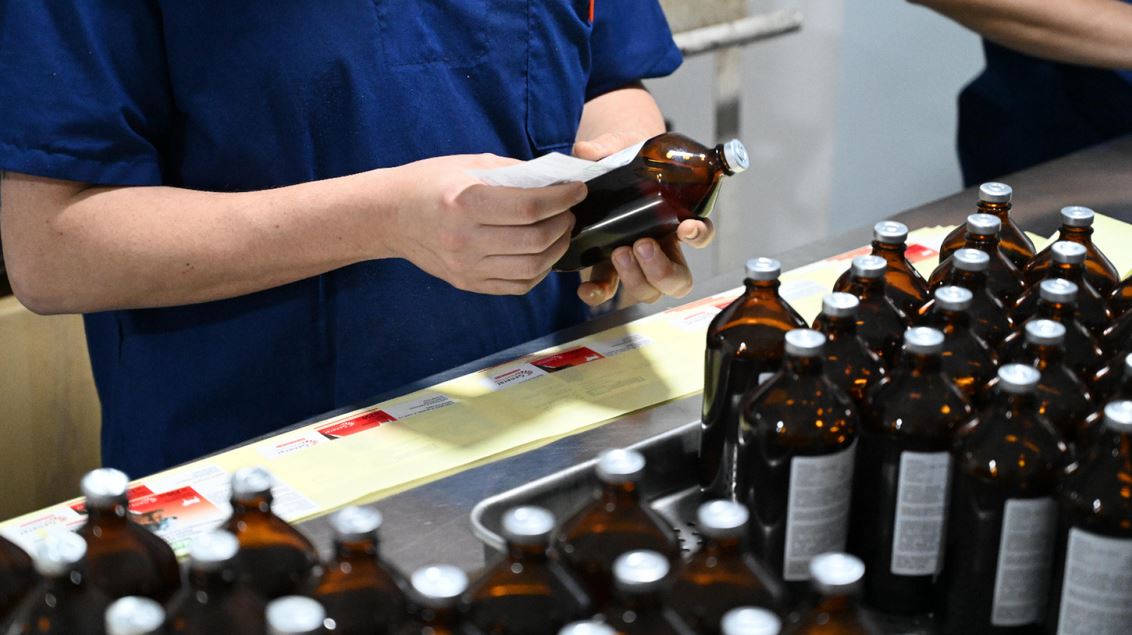
Products without official approval do not offer guarantees of safety, efficacy, and quality. Their use can cause adverse effects in animals, ineffective treatments, or undue residues in animal-derived foods. If an unapproved product is found, it should be reported to SENASA through the complaint system.
In addition to checking if the product is authorized, it is important to read the label and leaflet carefully. They contain indications for use, dosages, administration routes, authorized species, contraindications, and other precautions.
Following the instructions on the leaflet implies, among other things, respecting the withdrawal period, that is, the period that must elapse between the last administration of the product and the moment when food (meat, milk, eggs, or honey) can be destined for human consumption. This allows the drug residues to remain within the maximum residue limits (MRLs) established for animal-derived foods.
Responsibility does not end with the person administering the medication. Laboratories, sales outlets, and distributors also play an essential role in marketing authorized products, promoting professional consultation, and providing clear information on usage conditions.
Consulting the veterinarian, choosing authorized products, respecting the instructions on the leaflet, and recording treatments are simple actions that protect animal health and human health, and that sustain the quality of Argentine food worldwide.


