• 3 min de lectura
• 3 min de lectura
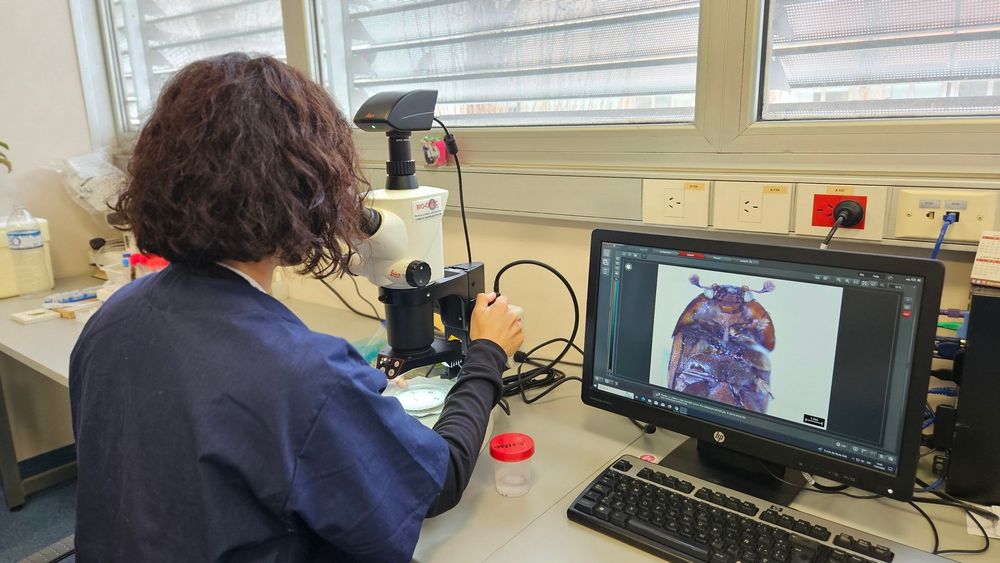
Within the framework of the sanitary alert to prevent the entry of the small hive beetle (SHB) into the country, the National Agri-Food Health and Quality Service (SENASA) carries out the analysis of suspect specimens to keep Argentina free of this pest that attacks beehives.
Following monitoring and notifications of suspicions made by individuals, the SENASA National Laboratory analyzes the corresponding samples, whose diagnoses —to date— have yielded negative results for the presence of SHB.

The national agency maintains a continuous state of alert: it carries out border controls and monitors potential entry points for the pest through its Active Beekeeping Surveillance Network, in order to quickly implement sanitary measures in the event of a pest detection.
Due to the sanitary risk, beekeepers must periodically inspect their hives and, if SHB is suspected, immediately notify SENASA, collect the specimens in question, and place them in a jar with 70-96% alcohol. Furthermore, no hive movements should be made until a definitive diagnosis is obtained, which will be duly informed by the Service's National Laboratory.
The sample must be sent in an airtight container with alcohol to prevent the insect from decomposing, and it must also arrive labeled or tagged, preferably with pencil or printer ink, to prevent contact with alcohol and loss of information.
Upon receiving the sample at the Laboratory, SENASA professionals observe the insect's morphology using a stereoscopic microscope and compare it with pest descriptions and reference specimens. This basis allows for diagnosing whether the insect is positive or negative for SHB.
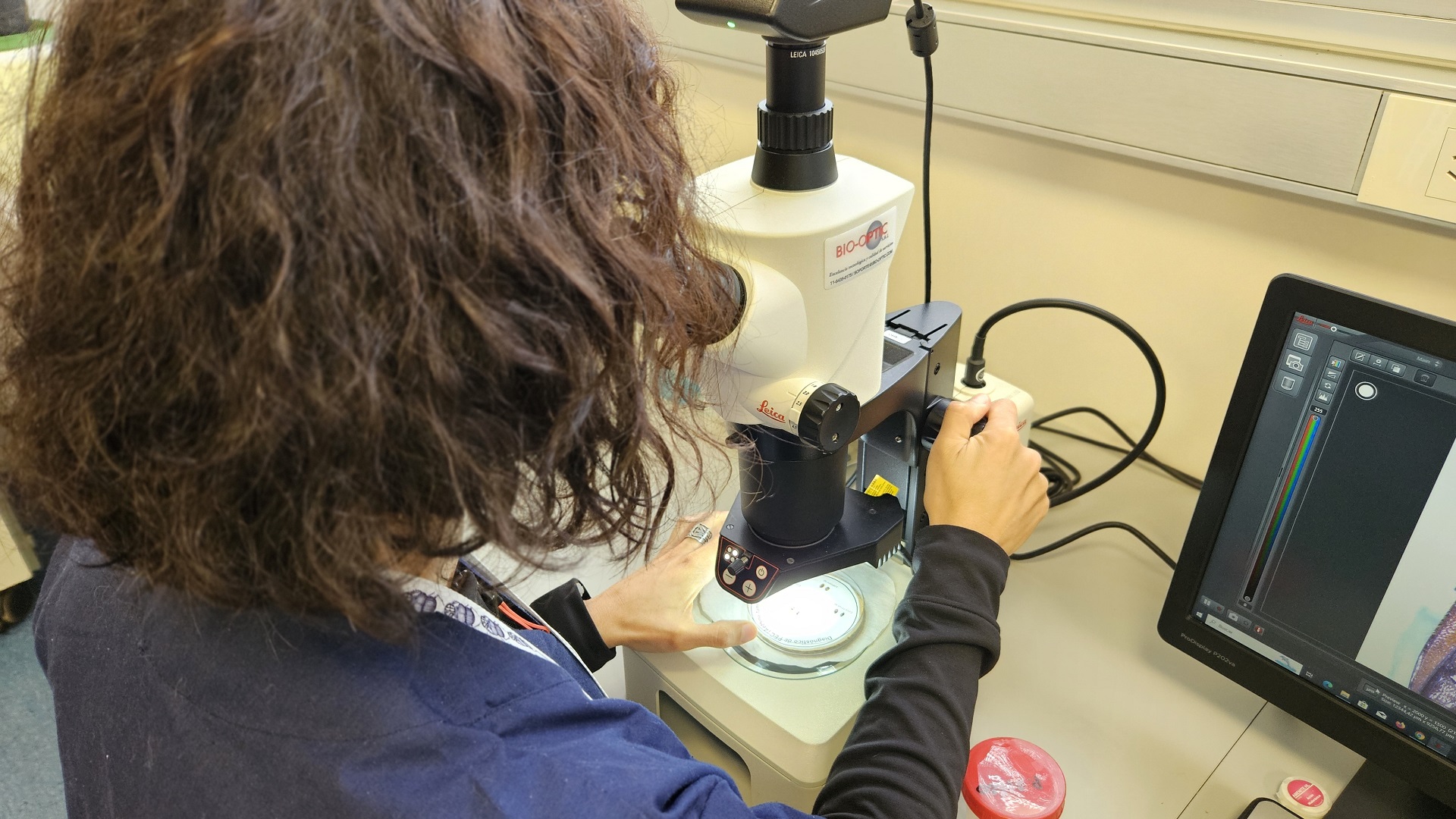
The result is generally obtained within one or two days and is immediately communicated to the National Apicultural Health Program of the Agency, as the pest is considered a priority due to the potential impact its entry into the country could have.
The scientific name for the small hive beetle is Aethina tumida (Murray, 1867), an African beetle that parasitizes bee colonies and can cause severe damage. In its adult stage, it can fly more than 10 kilometers in search of hives or natural swarms, attracted by their odors.
It feeds mainly on honey, pollen, and brood, although in their absence, it can resort to certain fruits as an alternative food source.
In the larval stage, they contain a yeast in their intestine that is expelled with feces, causing honey fermentation and generating a slight citrus aroma. Fermented honey is not used by bees, which abandon these areas of the comb, giving the SHB the opportunity to reproduce and cause the collapse of the hive (the 'wormy' stage).
SHB is a pest absent in Argentina but present in neighboring countries. Therefore, since 2016, SENASA has maintained the sanitary alert established by its Resolution N° 302/16, due to the high epidemiological risk posed by the findings of the pest in Brazil, Bolivia, and Paraguay.

Its introduction could cause severe productive and commercial damage to the beekeeping chain and honey exports, an activity in which our country is positioned as one of the main global leaders.