• 3 min de lectura
• 3 min de lectura
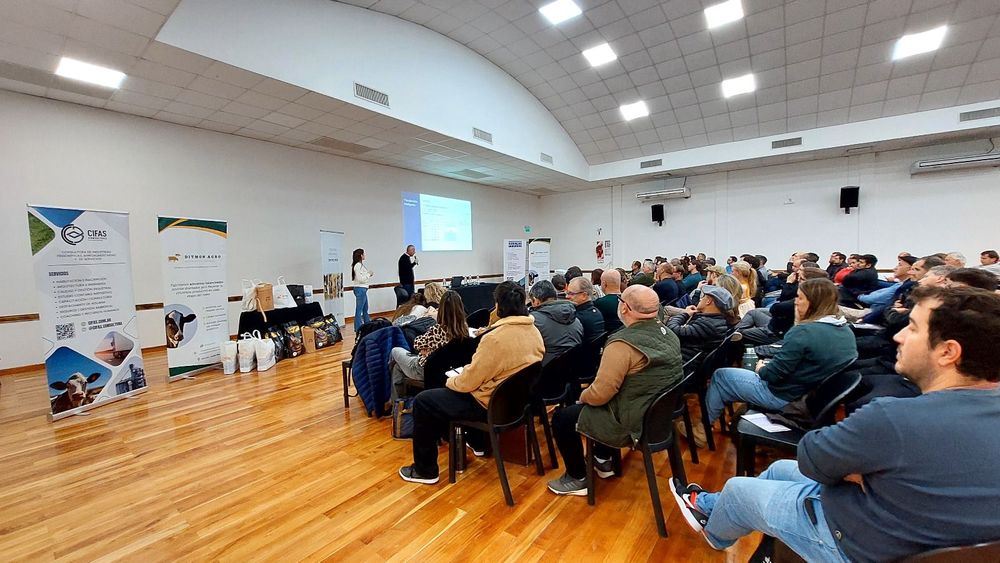
With a notable participation of more than 100 professionals from the national and regional agri-food sector, the National Agri-Food Health and Quality Service (SENASA) held the third edition of the Update Course for Technical Directors of Animal Feed Plants at the "Papa Francisco" Convention Center in the city of Villaguay, in the province of Entre Ríos.
The activity was organized by the Supervision of Safety and Quality of Products of Plant Origin and Feed of SENASA's Entre Ríos Regional Center, as part of its training and technical strengthening actions aimed at updating sanitary and management criteria in the animal feed industry.
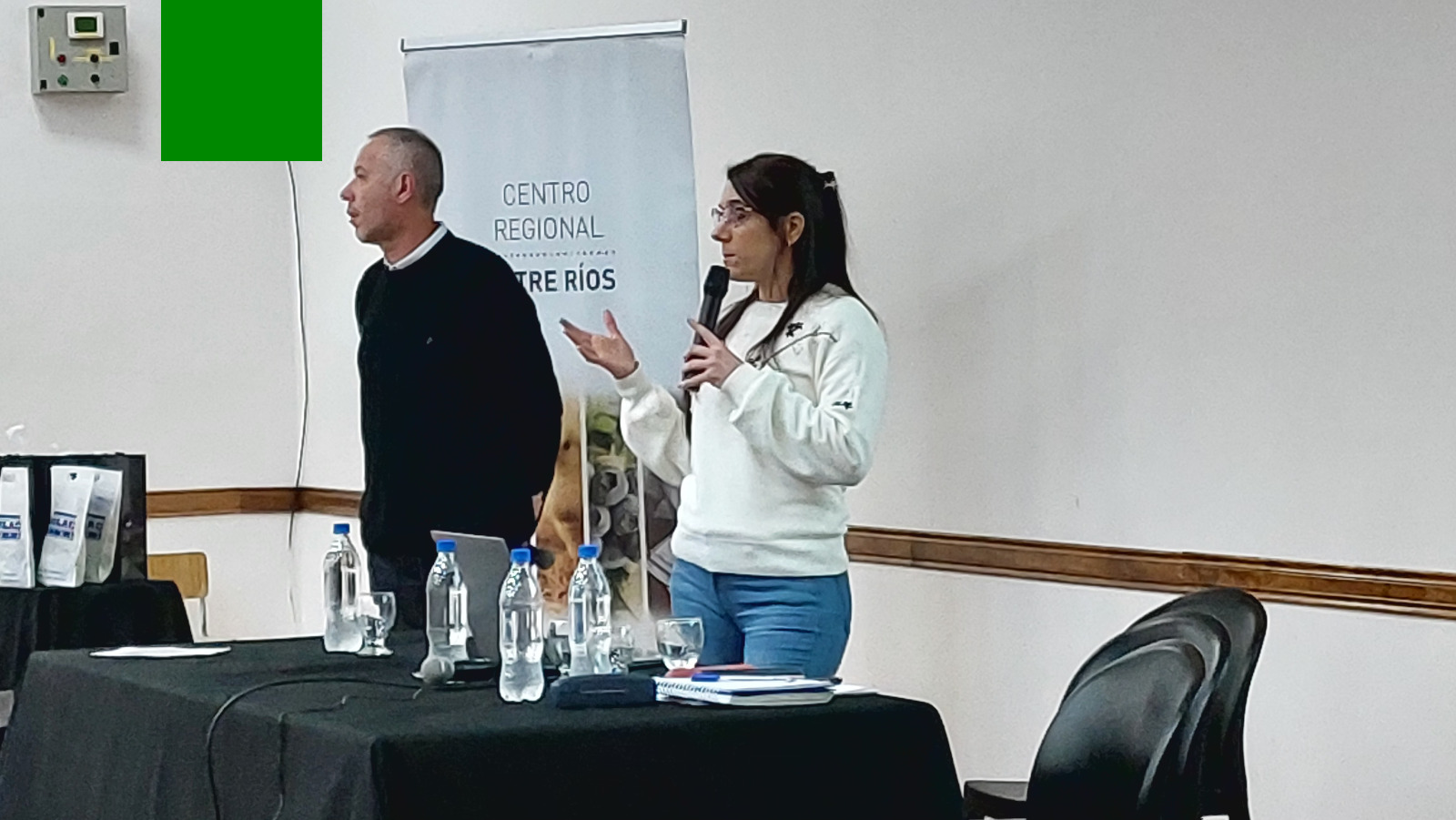
The course aimed to promote professional updating on aspects inherent to the role of the Technical Director of establishments that produce and/or distribute animal feed and their responsibilities; promote training in the methodologies for evaluating Good Manufacturing Practices (GMP) and the integration of knowledge.
During the day, new regulations 1415/2024 and 1416/2024 were addressed, which introduce changes in the registration of products and establishments and the functions of Technical Directors of Animal Feed Plants, comparing them with the previous regulation (Resolution 594/2015).
On the one hand, Resolution 1415/2024 unifies the technical regulations for all products and ingredients intended for animal consumption, allowing the registration and approval of feed to be carried out online and almost automatically through an affidavit on the SENASA platform. Furthermore, it streamlines international trade by simplifying the entry of processed articles from countries with equivalent or superior sanitary standards.

Meanwhile, Resolution 1416/2024 extends the principle of digital speed to sectoral infrastructure, automating authorization procedures for all plants that produce, fraction, store, or distribute feed and by-products. It also reorganizes the obligations and responsibilities of professional Technical Directors, who assume a critical role in the compliance and veracity of the declared data. Together, both measures reduce processing times from months to a few days, boosting the agro-industrial production chain through absolute digitalization and administrative simplification.
During the meeting, innovations in animal nutrition, such as the use of probiotics, were also analyzed, and work was done on mycotoxin risk management through the implementation of rapid tests. Additionally, quality control systems were presented, and a presentation was given on the incorporation of Artificial Intelligence in food safety management.
The realization of this third edition in the Entre Ríos territory consolidates a regional reference space and had the active participation of professionals from the National Directorate of Agri-Food Safety and Quality, the General Coordination of Feed and Grains from SENASA's central headquarters, and its regional centers Córdoba, Santa Fe, Buenos Aires Norte, Corrientes-Misiones, and Entre Ríos. Likewise, the call had the collaboration of professional associations, sector institutions, and companies from the animal nutrition industry, generating a space for direct exchange between inspectors and plant managers.
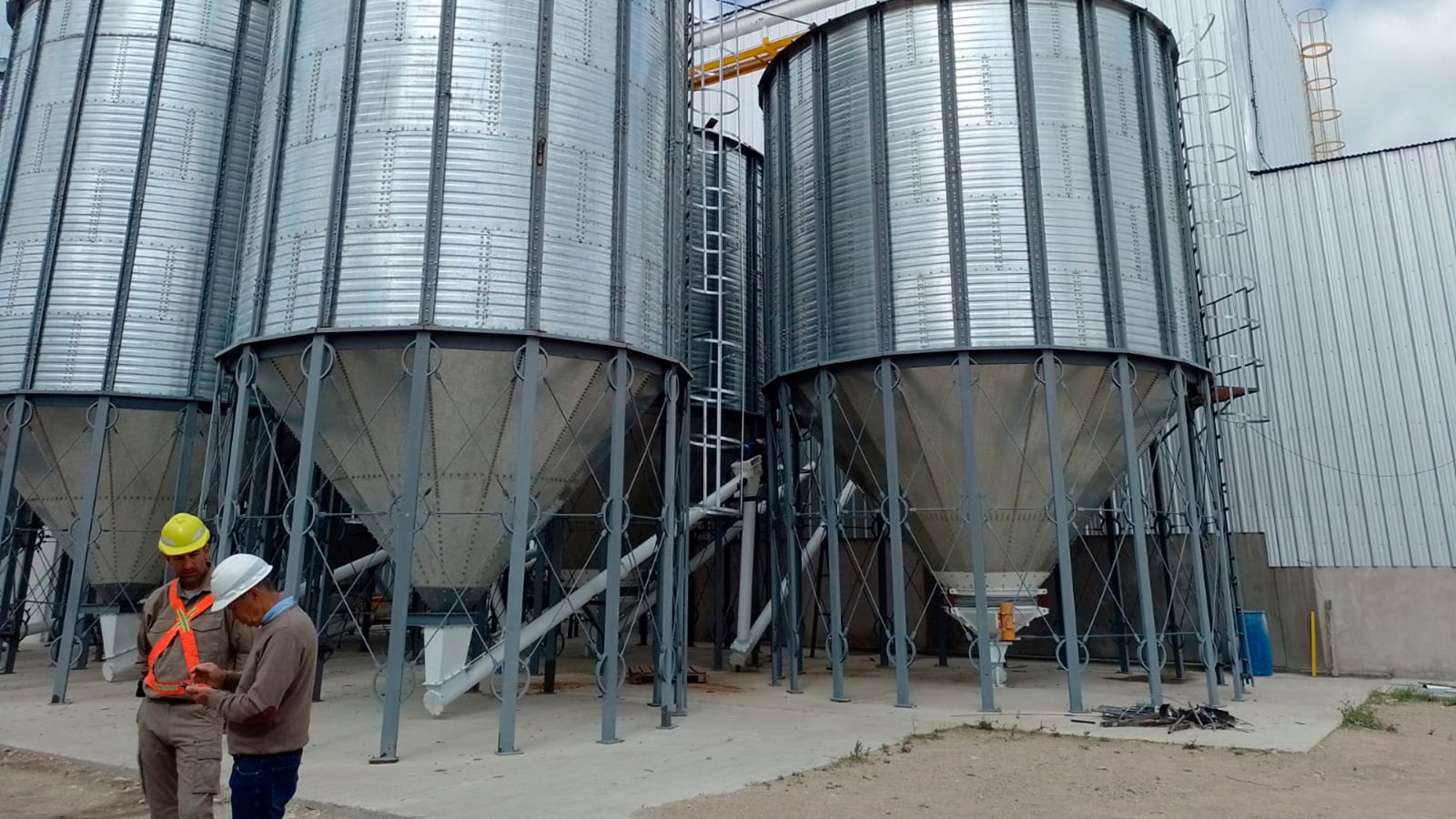
After the exhibition stage, a debate space was opened where concerns were addressed, and experiences were shared.
This course represents another example of the training extension activities carried out by the SENASA Entre Ríos Regional Center, with the objective of promoting actions aimed at improving animal welfare throughout the production chain and, through it, collaborating with consumer health. SENASA reaffirms its close work with agro-productive sector actors to guarantee the traceability and safety of inputs destined for animal nutrition throughout the country.