• 2 min de lectura
• 2 min de lectura
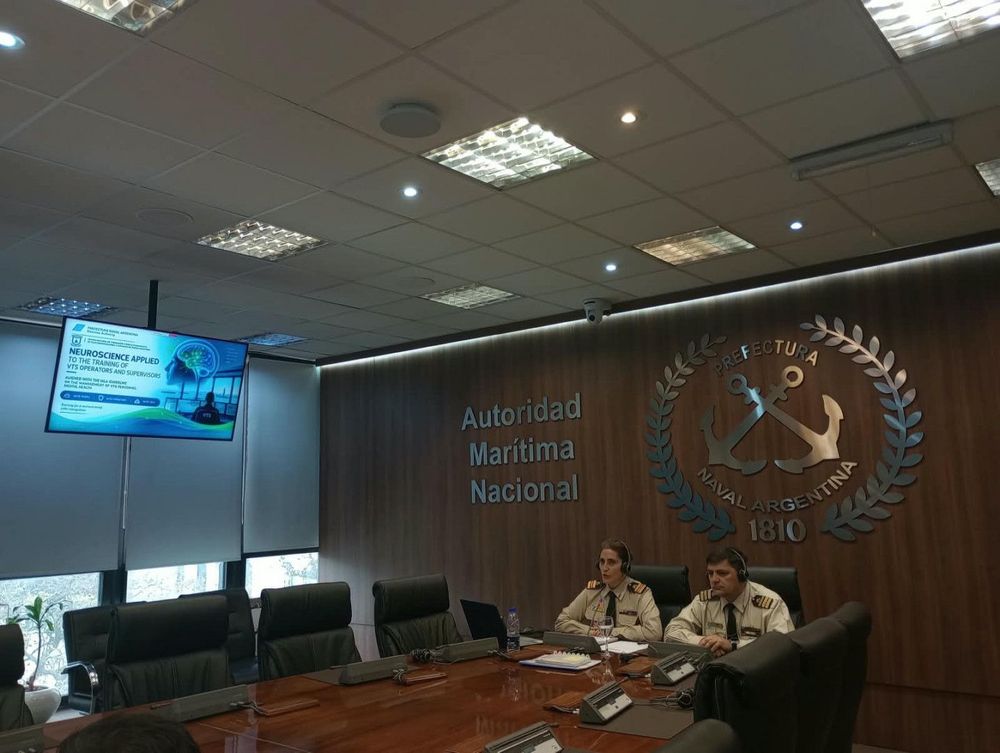
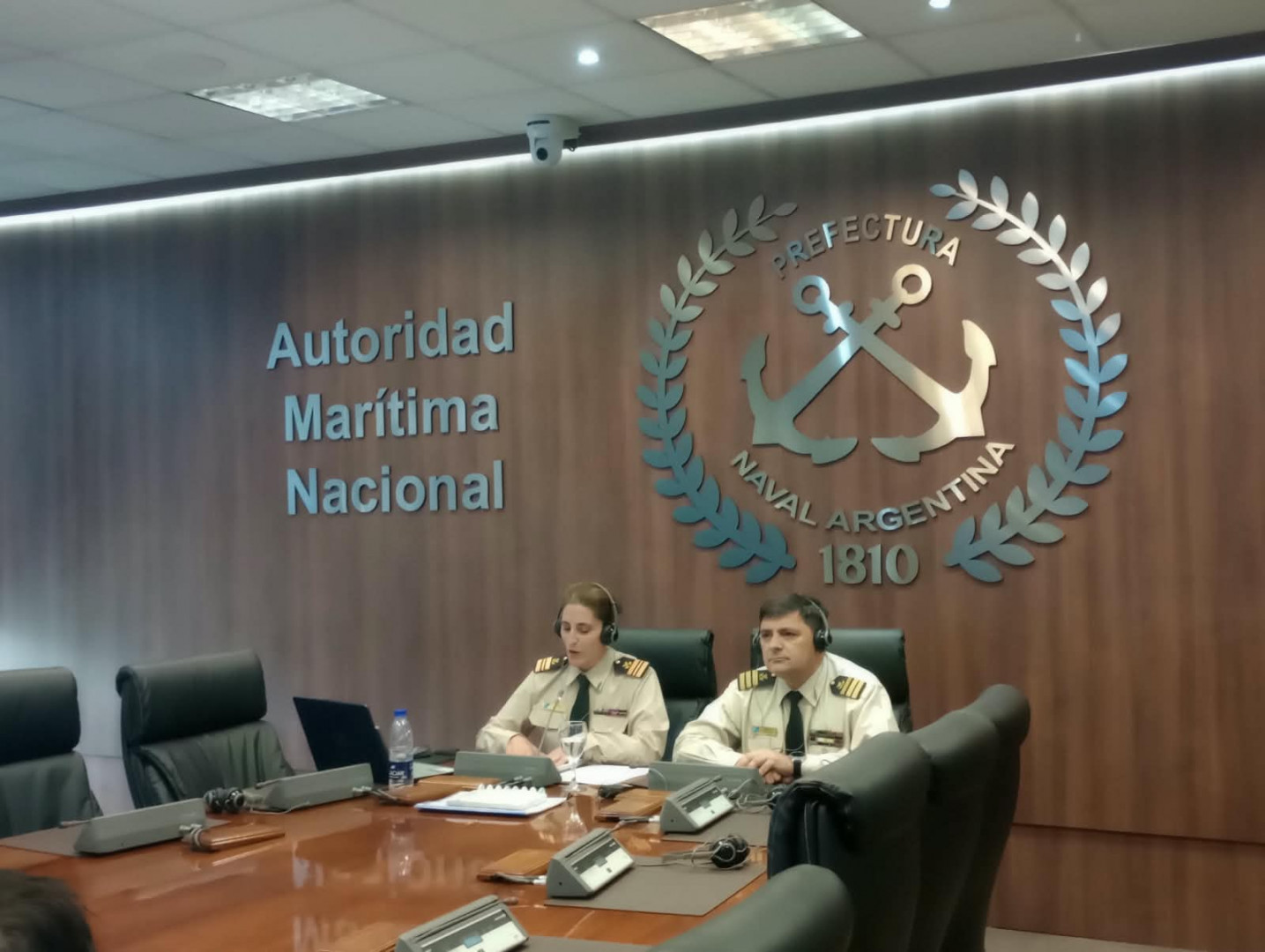
Within this framework, Principal Prefect Alfredo Jesús Zappa and Prefect Sheila Giardino represented the Institution and participated in the activities of Working Group 3, dedicated to operator health.
During the meeting, the national Maritime Authority presented a document prepared by the Comprehensive Center for Training and Improvement in Telecommunications and Maritime Traffic Services (CITS), which proposes incorporating applied neurosciences into the training and well-being of operators and supervisors of Vessel Traffic Services (VTS).
The proposal stems from the experience developed in institutional training programs, especially in the Maritime Traffic Management Supervisor Course, where aspects related to brain function and its influence on attention, emotional regulation, leadership, and decision-making in high-demand operational situations are addressed.
Under the concept of neurocognitive safety, the initiative seeks to strengthen self-awareness, stress management, and the adoption of healthy habits that contribute to personnel well-being, promote situational awareness, and professional performance.
It also includes psychological support tools, neurocare programs, and training practices using navigation simulators, with the aim of identifying emotional and cognitive factors that may affect the response capacity of VTS operators.
As an international projection, the Force proposed the formation of a correspondence working group within IALA to deepen these contributions, integrate them into studies related to VTS personnel health, and evaluate their incorporation into future international recommendations.