• 3 min de lectura
• 3 min de lectura
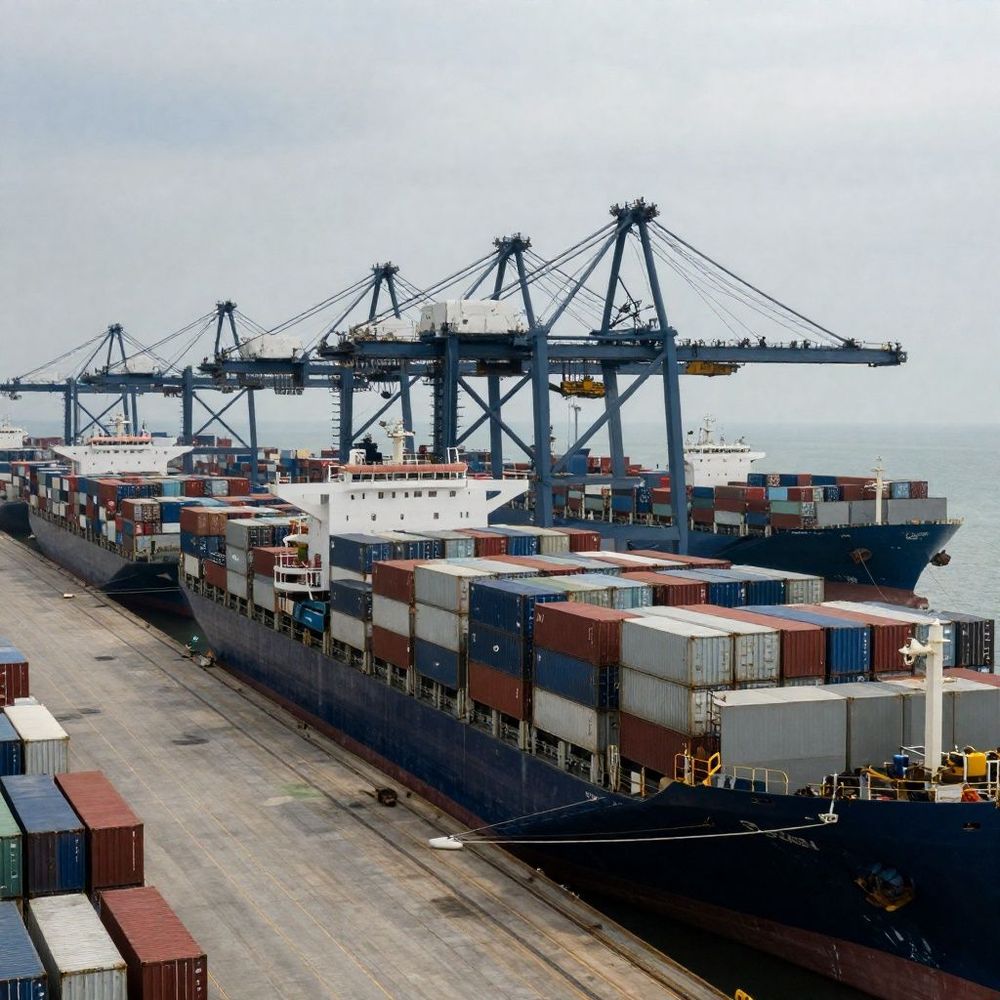
The Port Authority of Gijón seeks to reorganize the repayment schedule of the debt associated with the expansion works of El Musel. The Board of Directors approved this afternoon the initiation of a process to find one or more private financial entities that can provide up to €41.31 million in long-term financing, with the aim of canceling the most expensive tranches of the current loans from the European Investment Bank.
This measure does not imply assuming new debt, but rather distributing the payments of the existing debt more evenly over the coming years.
The Board of Directors' agreement allows for the initiation of the bidding process and selection of financial entities.
The Board has also approved initiating the tender process for a new building to house the Border Control Facility for Goods (IFCM), an infrastructure that will allow concentrating currently dispersed border control services in a single space, thus streamlining procedures, especially those for the container terminal.
The action involves an investment of €5.75 million and an estimated execution period of 16 months to construct this facility, which will be located on Muelle de la Osa, next to the Container Terminal, and will have 1,800 square meters distributed on a single floor.
The new IFCM will improve the management of customs, sanitary, and phytosanitary inspections and will be designed to meet both current needs and the future evolution of port activity. It will also feature three distinct areas: a loading dock area, an inspection area, and an administrative area.
The loading dock area will initially have nine docks, with the possibility of adding three more in the future. The inspection areas will be differentiated to handle various types of goods, including products of animal origin, non-animal origin, and other products. The project also includes differentiated circuits for trucks, light vehicles, and pedestrians, independent waiting and maneuvering areas, and specific systems for controlling the temperature conditions of goods.
This action responds to the significant weight of international traffic in El Musel's activity, as 95% of the container traffic at the Port of Gijón originates from or is destined for outside the European Union, and the port constitutes an entry or exit point to the common customs territory. A significant portion of the goods passing through these facilities, especially certain agri-food products, is subject to physical customs, sanitary, and phytosanitary controls and inspections.
The new facility complements the improvement actions developed in recent years to enhance service for the growing container traffic.