• 2 min de lectura
• 2 min de lectura
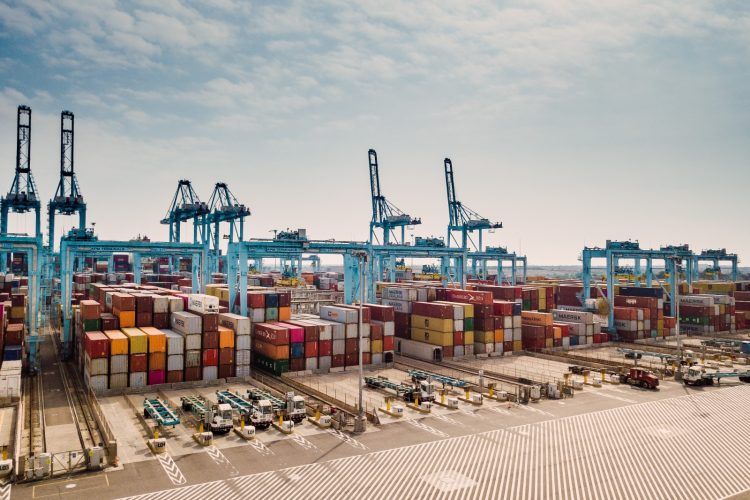
During the first half of 2026, APM Terminals Lázaro Cárdenas recorded a cumulative growth of 35% in TEU movement, mobilizing 684,599. This number contrasts with the 508,506 recorded in the same period of 2025.
Cumulatively to June 2026, the terminal transferred 416,102 TEUs in transshipments and registered a 37% increase in the movement of full containers.
This performance, according to the company, reflects the terminal's operational capacity to handle larger cargo volumes, supported by a modernization, automation, and digitalization strategy aimed at optimizing processes and offering greater efficiency to the logistics ecosystem.
Puerto Progreso
For its part, APM Terminals Yucatán continues to work on the terminal's modernization project and mobilized 41,442 TEUs in this first half of 2026.
At this terminal, the performance occurs in a context of transformation and infrastructure expansion, with the aim of strengthening the operational capacity, commercial, and logistical activity of the region, as well as contributing to the economic development of Yucatán.
Beatriz Yera, General Director of APM Terminals Mexico, stated that "the growth we are registering in our terminals reflects our ability to respond to customer needs and the evolution of international trade. Investment in infrastructure, automation, and technology, accompanied by the talent of our employees, allows us to offer greater operational efficiency, while contributing to the development of the logistics ecosystems and the communities where we are present. We are convinced that generating shared prosperity also implies fostering opportunities for talent and building long-term relationships that favor sustainable and inclusive growth."
In Mexico, APM Terminals is advancing its decarbonization strategy through energy optimization, the electrification of equipment and operations, and the use of renewable energies, with the goal of achieving net-zero emissions by 2040.
Currently, APM Terminals Yucatán participates as one of three pilot terminals worldwide to implement new electrification solutions that contribute to accelerating the energy transition and decarbonization of the port industry.