Media IntelligenceAgenda
/
ESENPT
DataPortuaria
PortsForeign TradeLogisticsAgro
DataPortuaria

El portal de referencia del sector portuario y marítimo de Latinoamérica. Noticias, análisis y datos en tiempo real.

Seguinos:

Secciones

AgroAnalysisBiofuelsCruisesCurrent AffairsEnvironment and EnergyForeign TradeInterviewsLogisticsPortsShipbuildingShippingWaterway

Ediciones

ArgentinaBrasilEcuadorEspañaInternacionalMexicoPanamaPeru

Servicios

Media IntelligenceAgenda

Legal

AboutPrivacy policyCookie policyTerms of useContact

© 2026 DataPortuaria. Todos los derechos reservados.

Inicio›Foreign Trade

Peru Signs FTA with Thailand, Warns About Transshipments and Export Costs

Peru and Thailand signed a Free Trade Agreement during the APEC 2026 Economic Leaders' Week in Shenzhen, China. According to specialist Erick Anticona, the lack of direct routes to Laem Chabang and high logistics costs could limit Peruvian exporters' ability to leverage the agreement. Mincetur indicates that the FTA will expand tariff coverage with preferential access from 66% to 94%. Peruvian exports to Thailand totaled US$ 119.2 million in 2025.

Últ. Actualización 20 de nov 2026|Lectura: 4 min

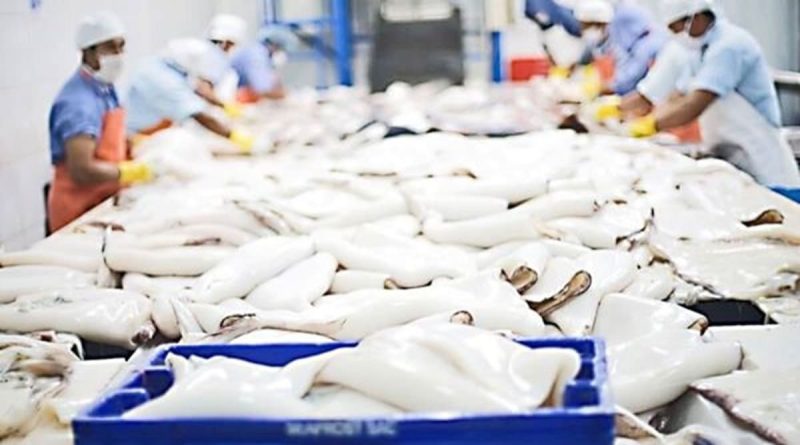
Imagen de portada - TLC con Tailandia: transbordos y costos logísticos podrían limitar oportunidades a exportadores peruanos

Resumen

  1. Peruvian exports to Thailand reached US$ 119.2 million in 2025, while imports from Thailand totaled US$ 619.7 million.
  2. Shipments from Callao or Chancay bound for Laem Chabang require transshipments in Shanghai, Busan, or Hong Kong due to the lack of direct routes.
  3. The 93 micro, small, and medium-sized enterprises that exported to Thailand represented 40.1% of total exporters but accounted for only 9.6% of the value of shipments.

Seguí a dataPORTUARIA en Google News

Agregá este medio como fuente preferida y no te pierdas las últimas noticias.

Agregar como fuente preferida

November 19, 2026

Specialist states that it is necessary to improve maritime connectivity and ensure supply. Peru exports giant squid and blueberries, products that require a cold chain, which increases transport costs.

Peru and Thailand signed a Free Trade Agreement (FTA) this Thursday during the APEC 2026 Economic Leaders' Week, held in Shenzhen, China.

The agreement, signed by the Trade Ministers of both countries, seeks to expand trade opportunities and improve market access conditions to the Thai market. However, its utilization will also depend on the ability of Peruvian exporters to reduce logistics costs, improve maritime connectivity, and ensure the supply of their products.

Once in force, the FTA will expand tariff coverage with preferential access from 66% to 94%, according to the Ministry of Foreign Trade and Tourism (Mincetur).

Peru has maintained a partial trade agreement with Thailand since 2011, although challenges persist in increasing its exports to that destination. In 2025, Peruvian exports to Thailand reached US$ 119.2 million, according to Mincetur, with frozen giant squid (US$ 67 million) and fresh blueberries (US$ 12.5 million) being among the main products, both subject to specific conservation conditions during transport.

In contrast, Peruvian imports from Thailand totaled US$ 619.7 million, more than five times the exported value.

Transshipments and their impact on competitiveness

One of the main challenges identified by Erick Anticona, professor of International Business at the Universidad del Pacífico and specialist in logistics and supply chains, is maritime connectivity to Thailand.

According to the specialist, shipments from Callao or Chancay bound for the Thai port of Laem Chabang require connections in other Asian ports, such as Shanghai, Busan, or Hong Kong, due to the lack of direct routes. "The transshipment factor adds time and costs to Peruvian exports," says Anticona.

This situation poses additional demands for perishable products, which require maintaining adequate refrigeration or freezing conditions throughout the journey. For this, the availability of refrigerated containers, temperature monitoring systems, and shipment traceability are essential.

Given this scenario, Anticona suggests leveraging the port of Chancay to concentrate larger volumes of cargo, incorporating exports from neighboring countries such as Chile, Ecuador, Colombia, and Argentina. This integration could generate economies of scale and more favorable conditions for the development of competitive maritime services to Thailand.

Te puede interesarPeruvian Ports Mobilized Over 101 Million Tons by September 2026

Small businesses face greater challenges

Differences in export capacity also represent a challenge. According to Mincetur, during 2025, the 93 micro, small, and medium-sized enterprises that exported to Thailand represented 40.1% of total exporters but accounted for only 9.6% of the value of shipments.

For Anticona, these companies face greater difficulties in accessing infrastructure, tracking technologies, and transport services at competitive costs. Therefore, he considers it necessary to promote collaboration mechanisms that allow them to share resources and improve their negotiation conditions.

Four priorities to leverage the FTA

In the face of these challenges, the specialist identifies four lines of action to improve export competitiveness:

  • Strengthen logistical connectivity. Improve land access to the port of Chancay and promote the consolidation of national and regional cargo to generate larger volumes and more competitive transport conditions to Asia.
  • Streamline foreign trade procedures. Simplify procedures, facilitate certifications, and expand the use of digital tools, such as the Single Window for Foreign Trade (VUCE), to reduce administrative times and costs.
  • Facilitate the participation of MSMEs. Promote technical training, shared logistics services, and cargo consolidation. Anticona also proposes creating a registry of small businesses interested in exporting to Thailand to facilitate the coordination of shipments and joint negotiation with logistics operators.
  • Diversify the exportable offer. Disseminate the opportunities of the agreement among companies from different productive sectors, accompanying them in identifying commercial, sanitary, and logistical requirements to enter the Thai market.

"The biggest challenge will be to incorporate small and medium-sized enterprises into these export chains, reducing logistics costs and strengthening their operational capabilities to compete sustainably in Southeast Asia," he states.

According to the specialist, addressing these gaps will be fundamental to prevent the benefits of the FTA from being concentrated in companies with greater export capacity and to ensure that more Peruvian businesses can take advantage of the commercial opportunities in the Thai market.

@ElPeruano

Temas:RegulationsRoutesCargoOpinion
Compartir esta nota

Seguí leyendo

Solidarity Lanes: Latest figures – October 2026

Peru's Inland Regions' Exports Rise 34% to US$ 72.425 Billion

Ecuador Achieves Trade Surplus of USD 3.308 Million by September 2026

Most read

  1. 01MTC Promotes Economic Corridors in South America at World Bank Forum
  2. 02Peruvian Ports Mobilize 101 Million Tons of Cargo by September
  3. 03MTC Gathers Public and Private Sectors to Boost Maritime Cargo Cabotage
  4. 04Peruvian Ports See 8.8% Growth in Container Traffic Through September 2026
  5. 05MTC Enables Maritime Cabotage for Humanitarian Aid Transport in Emergencies