• 2 min de lectura
• 2 min de lectura
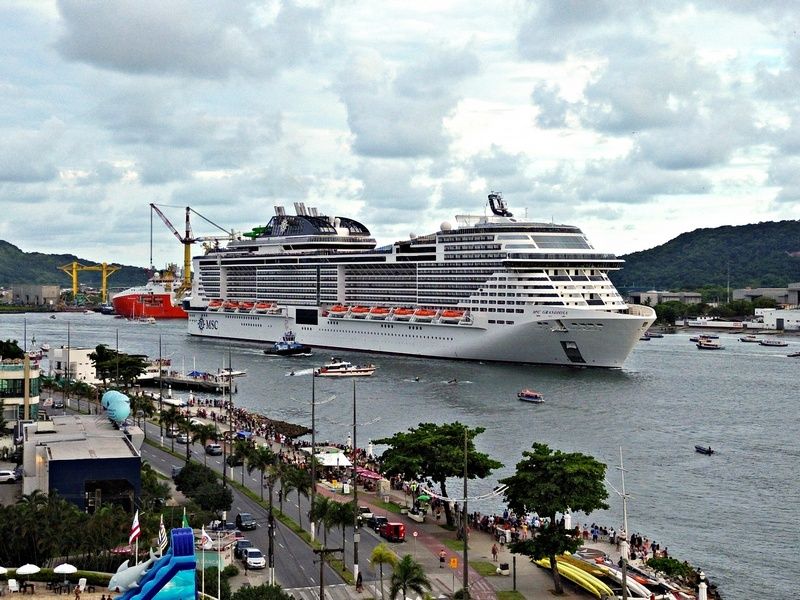
Brazil tourism authorities are preparing for an expanded cruise season that could be even larger than initially announced.
According to a press release, the season could see further growth with the earlier start of operations by the startup Corazul Cruceros.
Currently planning to launch service in Brazil in early November, the Spanish cruise line could push its debut forward by 45 days.
The news was revealed by the country's Minister of Tourism, Gustavo Feliciano, during an industry event in Uruguay earlier this week.
According to Feliciano, in addition to starting earlier, Corazul's season could also be extended by 30 days in early 2027, adding capacity for another 30,000 guests.
"This demonstrates the trust and opportunity that companies have in Brazil. We are working to improve cruise tourism, always thinking about the development of our country, generating opportunities, employment and income," he said during the 11th Regional Cruise Meeting in Punta del Este.
"We are leaders in South America and we will grow even more. This year, we will have seven homeports, including Paranaguá and Balneário Camboriú," he added.
Eight ships are currently expected to operate in Brazil during the country's upcoming season, with over capacity for over 800,000 guests. Feliciano said the figure represented a 24 percent increase over the 2025-26 season.
The deployment will run from late October to early April, with vessels from Costa, Corazul and MSC Cruises.
Feliciano noted that the country is now looking to increase the arrival of foreign guests, with plans to expand itineraries that promote passenger transit between South American countries.
"Brazil has been working to expand the cruise market, diversify itineraries, qualify destinations and create an increasingly favorable environment for the activity," he added.
Uruguay's Minister of Tourism, Pablo Menoni, agreed that the industry's growth could be boosted by a joint promotion strategy.
The goal is to present the South American countries as an integrated destination to the cruise lines, he explained.
"We are not looking at the individual vision of each of our ports, but rather the joint vision. This is how we want operators to see us. So that we can attract cruises from other regions, especially from regions that are complicated from a geopolitical point of view," he said.