• 3 min de lectura
• 3 min de lectura
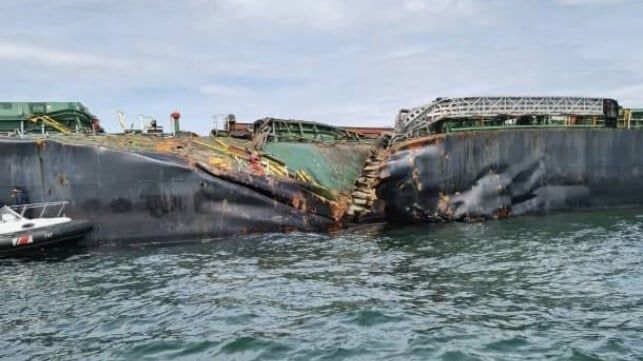
Risk in navigation is often attributed to individuals — the pilot or the Master. This is a convenient simplification. In reality, many marine incidents do not originate from individual failure, but from structural ambiguity in decision-making. They emerge in the space between roles.
Pilotage is built on a dual structure:
On paper, this separation is clear. On the bridge, under operational pressure, it is not. During confined-water navigation, decisions are continuous, dynamic and time-critical. In this environment, authority is rarely exercised in isolation — it is interpreted, adjusted and negotiated in real time.
When this process is not made explicit, ambiguity quietly becomes part of the operational system.
Pressure vs Authority
Operational pressure affects decision clarity in subtle ways:
Under these conditions, a gradual shift may occur: Authority becomes assumed rather than actively confirmed. The pilot may assume compliance. The Master may assume navigational control is being actively managed. The bridge team may assume that concerns have already been addressed by others.
Yet none of these assumptions are formally verified.
The Silent Disagreement
Most critical bridge-team breakdowns are not marked by open conflict. They are marked by its absence. Instead of direct disagreement, there is:
This creates a silent operational gap — a situation where multiple individuals recognize emerging risk, yet no one explicitly redefines the situation or decisively challenges the developing course of action.
In high-risk navigation, safety depends on clear ownership of critical decisions:
When ownership becomes unclear, decision-making gradually fragments. Actions become delayed not because risk is invisible, but because authority is psychologically distributed across the bridge team. And distributed responsibility often results in reduced intervention at the moment it is needed most.
The Critical Point of Failure
In many navigation incidents, the decisive failure is not an incorrect maneuver itself. It is the gradual normalization of uncertainty before intervention occurs. A stage where:
At this point, both pilot and bridge team may still believe the situation remains under control. But operational ownership has already started to fragment.
Conclusion: Risk Emerges in the Gap
Pilot–master interaction is not fundamentally a hierarchy problem - it is a clarity problem. Risk is often created not by individual incompetence, but by unclear operational ownership under pressure.
The most dangerous situations onboard are not always those where nobody sees the risk. They are often the situations where several people see it — yet no one fully assumes authority to decisively act on it.
Volodymyr Smirnov is a Master Mariner with over 25 years of experience on large ocean-going vessels, including more than 18 years in command with senior operational accountability. His professional focus includes operational risk management, bridge team decision-making, and confined-water navigation strategy.
Fuente: Maritime Executive