• 2 min de lectura
• 2 min de lectura
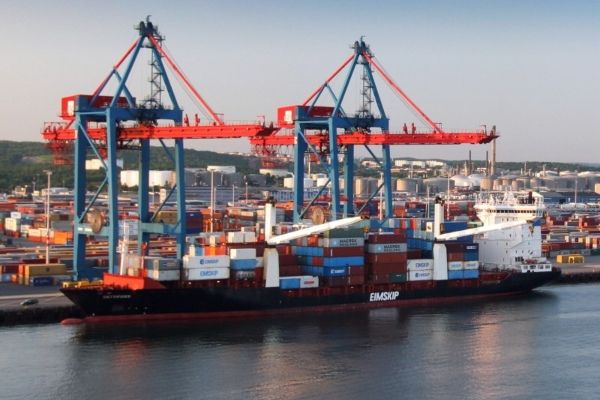
The Swedish Maritime Administration (Sjofartsverket) presented statistics on ship calls for the second quarter of 2026, observing a continued downward trend in the number of vessels calling at the country's ports, while the volume of goods increased.
Merchant vessels have long been increasing in size and can therefore transport more cargo. This is evident in the statistics, where the number of calls in the second quarter of 2026 decreased by approximately 1.5%, while the volume of goods increased by about 2.6%.
"The merchant fleet is growing internationally, and vessels are becoming larger. This means that each port call can transport more goods, which largely explains the increase in cargo volume despite the decrease in the number of calls. Maritime freight transport is crucial for Sweden, as nine out of 10 products we import and export are transported by sea," explained Niclas Härenstam, Communications Director at the Swedish Maritime Administration.
The volume of goods and the number of passengers in Sweden's various ports fluctuate, but two ports stand out regarding cargo transport. Both Gothenburg and Helsingborg recorded an increase of about 10% in the last quarter compared to the same period last year.
At the same time, the number of passengers decreased by 0.9% compared to the same quarter last year. Stockholm and Helsingborg remain the main passenger ports.
In this scenario, for example, the Port of Uddevalla has made several strategic investments in recent years to meet future needs, such as a brand-new port crane that allows for efficient handling of larger vessels, as well as new facilities for grain operators in the West Port, which create the conditions to receive grain vessels of greater capacity than before.