• 4 min de lectura
• 4 min de lectura
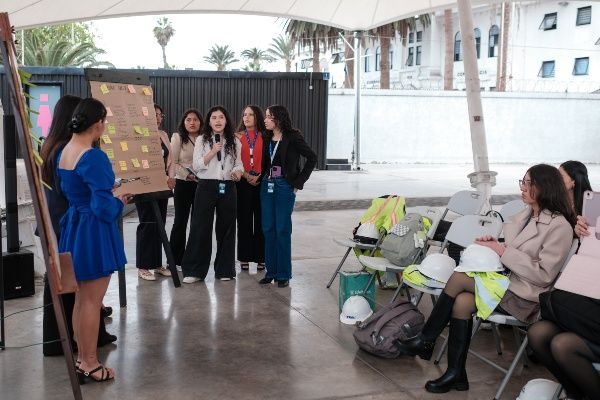
Terminal Puerto Arica (TPA) and Empresa Portuaria Arica (EPA) developed the 10th edition of the Puerto Arica 2026 Scholarship program, a five-day event aimed at strengthening ties with their strategic partners from Peru and Bolivia through the training of 25 professionals in the terminal's logistics and operational processes.
The program included a detailed explanation of each logistical process carried out in the port facility, complemented by field visits that allowed participants to experience firsthand the operation of the different operational areas. The initiative seeks to bring future foreign trade and port industry professionals closer from a practical perspective.
Rolando Arispe, Head of Commercial Management, commented that "it is a source of pride to be part, for the third consecutive year, of the organization of this scholarship program together with Empresa Portuaria Arica. The positive evaluation from the participants confirms the value of this initiative, which seeks to complement their academic training with practical experience in the port sector. Beyond the knowledge they acquire, we hope that this experience motivates them to continue developing professionally and to become agents of change for the foreign trade of their countries."
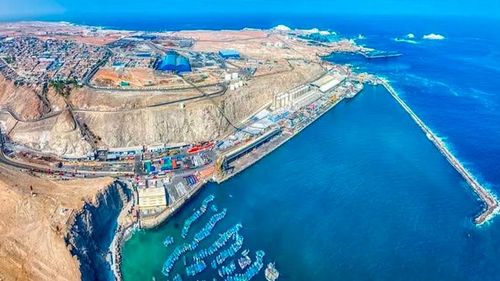
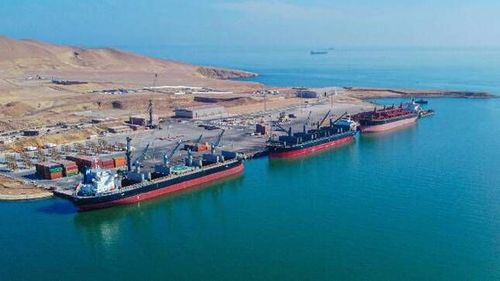
The students also visited the Port Activity Extension Zone (ZEAP), where they learned about the operation of the Antepuerto (Pre-Port) and the procedures for organizing the logistical flow to and from the port.
In addition, they learned about new projects that strengthen the site's capacity and competitiveness, including Impala's future mineral storage shed, an initiative that will contribute to optimizing the logistics chain and responding to cargo growth.
As part of the activities, a tour of the Arica to La Paz Railway was also conducted, learning about its history and how it operates today.
Jorge Cáceres, General Manager of Empresa Portuaria Arica, stated that "for us, developing this program together with Terminal Puerto Arica is very valuable because it allows us to bring logistics and foreign trade students from Bolivia and Peru closer to the reality of port operations. For a week, they get to know the work we do firsthand and strengthen their bond with the port, a relationship that we hope will last over time, as many of them will be future professionals, clients, or key players in the foreign trade of their respective countries. We are happy to see the impact this experience generates in the scholarship recipients and we hope to continue promoting this initiative in the coming years."
For the participants, the program represented an opportunity for insertion into a specialized professional environment and a first contact with port operations.
In this regard, the Vice President of the Board of Directors of Empresa Portuaria Arica, María Loreto Letelier, highlighted the importance of the Scholarship program as a way to generate real integration with the port's main markets. "Allowing a group of young people to learn firsthand how we carry out our operations undoubtedly marks a milestone in their education and in how they will continue to grow professionally. This is putting everything learned in the classrooms into practice," she pointed out.
María José Montaño, from UPSA University and one of the scholarship recipients, commented that "these five days in Puerto Arica have been one of the most enriching and beautiful experiences I have lived. What I highlight most are the dimensions of the port, all the actors involved in it, and how your view of international trade changes when you are inside; it really opens your mind much more."
Julio César Paredes Suárez, from the Peruvian University of Applied Sciences in Lima, Peru, highlighted this experience as a "fruitful instance, as it helped me to enhance and learn more about the Chilean economy and also about the port, as well as the importance of Bolivia within foreign trade."
The Puerto Arica Scholarships are part of TPA and EPA's relationship strategy with Peru and Bolivia, countries for which the Port of Arica constitutes a strategic logistical platform for the development of foreign trade.
Through this initiative, both institutions continue to strengthen a long-term relationship based on the exchange of knowledge, cooperation, and the training of specialized human capital, contributing to the development of an increasingly integrated and competitive regional logistics.