• 2 min de lectura
• 2 min de lectura
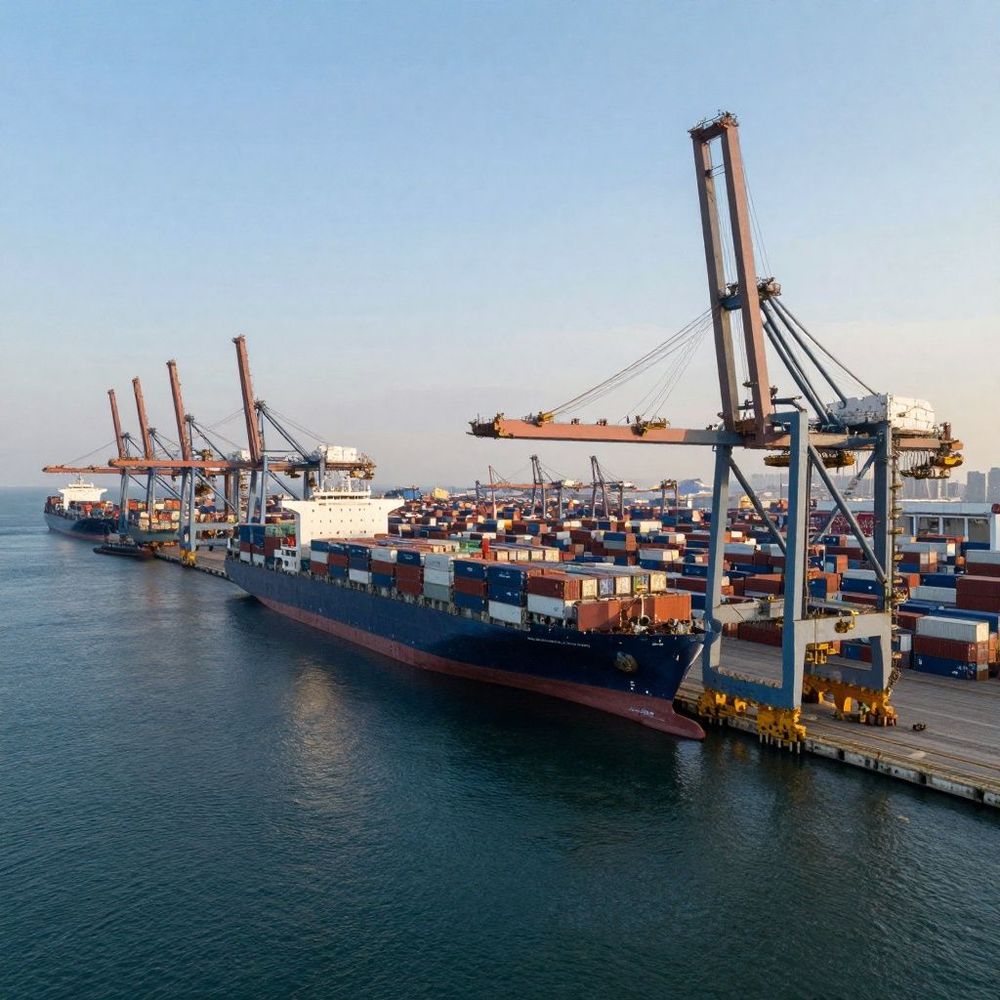
Grandi Navi Veloci (GNV), part of the MSC Group, has started construction of the second vessel in its second series of 4 new ro-pax ferries at Guangzhou Shipyard International (GSI) in China. The steel-cutting ceremony marks the start of work on the 6th ship in an 8-vessel renewal programme intended to expand and modernise the Italian ferry operator's fleet.
The second series was ordered by MSC Group in May 2025 and follows the 4 ro-pax vessels already commissioned from GSI. Construction of the first unit in the second series began in January 2026, with delivery scheduled for 2028 Q1. The remaining three ferries are planned to enter the fleet at ~6-month intervals, extending the programme through 2029.
The new ferries will have a length of 237 metres, a beam of 33 metres and a gross tonnage of ~71,300. Each will accommodate up to 2,500 people, including passengers and crew, with 527 cabins and ~3,500 lanemetres of garage capacity for vehicles and wheeled cargo.
All 4 ships in the second series will be designed for LNG operation and equipped with environmental technologies intended to reduce CO₂ emissions per transported unit by more than 50% compared with the previous generation of GNV ferries.
The vessels form part of GNV's broader fleet renewal programme, which will bring 8 newbuildings into the fleet between 2025 and 2030. The first 4 vessels of the overall programme include GNV Polaris, GNV Orion, GNV Virgo and GNV Aurora, with the latter becoming the second LNG-powered ship in the GNV fleet following its delivery from GSI in January 2026.
The value of the second 4-ship order has not been officially disclosed. Industry estimates have placed the total investment at more than EUR 600 million. The ships are being acquired directly by MSC Group and are expected to be chartered to GNV on a bareboat basis before entering Mediterranean service.
Fuente: Cruise Mapper