• 2 min de lectura
• 2 min de lectura
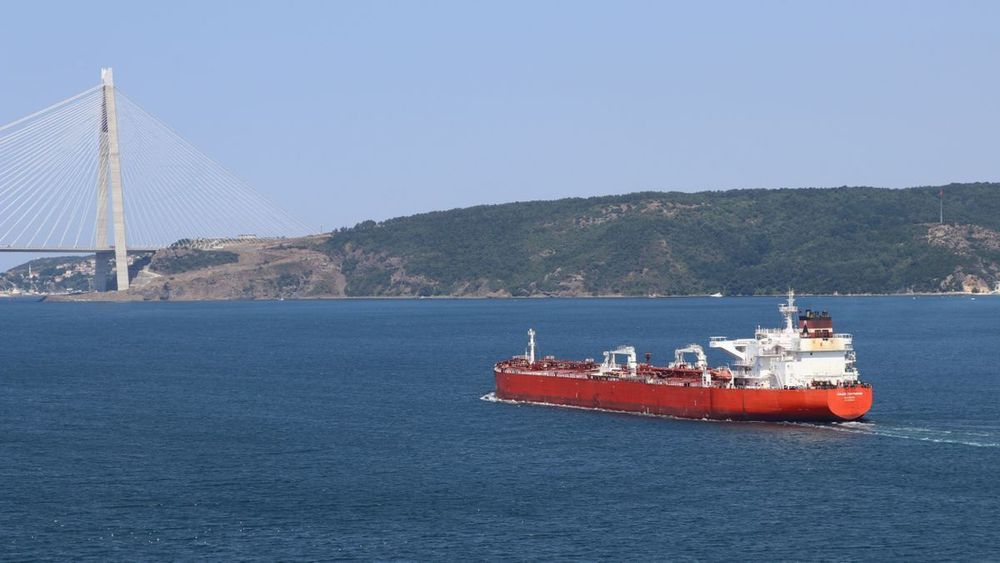
Greek shipping companies earned millions by transporting sanctioned Russian oil over the past three years, defying G7 efforts to choke off the Kremlin's finances.
According to a Financial Times report, just three companies from that country – Dynacom Tankers, Stealth Maritime, and the Onassis Group – generated at least $3.8 billion through the transport of said fuel, operating alongside the price cap regime imposed by Western powers.
Dynacom topped the list, earning over $915 million for transporting Russian crude, representing almost a quarter of the total revenue generated by Greek shipowners since July 2023.
Olympic Shipping and Management, part of the Onassis Group, earned at least $404 million from this trade, while Stealth Maritime and Polembros Shipping invoiced over $200 million.
The Financial Times also highlighted past tensions between Athens and Kyiv due to the role of Greek shipowners in transporting Russian crude, noting that several Greek tanker companies, including Dynacom, were designated as "international sponsors of war" by Ukraine in 2023, before being removed from the list following pressure from the Greek government.
Although this trade is permitted as long as it complies with the G7 price cap, the United States and the European Union have intensified their efforts to tighten sanctions against Moscow's energy revenues, a measure that could affect Greek shipping companies.
The Financial Times based its analysis on freight pricing data from Argus Media, as well as tanker movement and vessel management data from Kpler and the International Maritime Organization (IMO), covering major Russian oil routes since June 2023.
The estimate covers 389 million barrels shipped by Greek tanker companies, while another 153 million barrels for which Argus pricing data was unavailable were excluded from the newspaper's calculations.
The analysis revealed that eight of the 20 companies that earned the most from Russian oil shipments since June 2023 are Greek.
Greek companies accounted for almost 15% of Russian crude exports in May, according to an analysis of data from maritime and energy analytics firms Windward and Vortexa.
Introduced in December 2022 to cut Moscow's oil revenues while maintaining global supply, the G7 price cap allows Western shipping services for Russian crude only if it is sold below the limit (currently set at $44.10 per barrel), although its enforcement has been considered weak.
EU diplomats reportedly indicated that Greece and the Greek Cypriot Community Administration have consistently opposed the price cap in closed-door meetings.