• 3 min de lectura
• 3 min de lectura
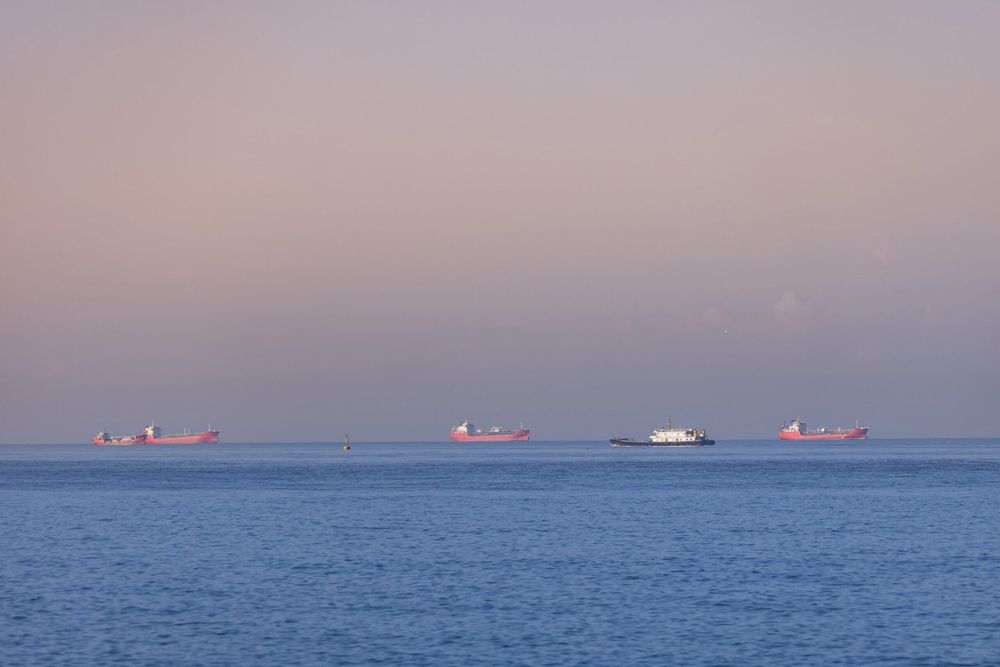
The International Maritime Organization is telling thousands of ships stranded in the Persian Gulf to stay put and await instructions as it begins evacuating thousands of seafarers trapped by months of conflict.
The guidance, released Wednesday as part of an extensive operational FAQ, underscores that despite last week's Memorandum of Understanding between the U.S. and Iran, the Strait of Hormuz remains a tightly controlled and potentially hazardous operating environment.
Notably, the IMO said vessels should remain in their current positions and wait to be contacted as the organization begins evacuating more than 11,000 seafarers who have been trapped in the region for months amid conflict, mine threats, and the closure of the Strait of Hormuz.
"Do not move. Wait to be contacted," the IMO said in its guidance to shipmasters. "Strictly follow instructions issued by relevant coastal States."
For now, vessels are not supposed to head toward the Strait or even the designated waiting area on their own. The IMO said ships will be contacted individually through a coordinated mechanism involving the U.K. Maritime Trade Operations (UKMTO), France's MICA Center, and the relevant coastal states.
Once contacted, vessels will be directed to a waiting area off Oman and can then choose between two routes out of the Gulf: a northern route coordinated by Iran or a southern route coordinated by Oman and the United States.
The choice of route is ultimately up to shipowners and masters, who are expected to conduct their own risk assessments before proceeding.
Importantly, the IMO stressed that it is not responsible for operational routing.
"IMO provides the overall framework and coordination to ensure a phased approach to departure in the interest of safety of navigation, but routing and maritime safety are the responsibility of the coastal States," the organization said.
That means Iran oversees the northern route, while Oman and the United States oversee the southern corridor, where vessels may continue coordinating transits under existing JMIC advisories.
The guidance also confirms what shipping groups have been warning for days: the Strait's traditional Traffic Separation Scheme remains unusable. "The TSS should not be used due to the reported presence of mines," the IMO said.
Instead, ships will transit through temporary corridors with routing instructions issued by the coastal states. Mines, navigational constraints, and heavy traffic remain the primary risks, according to the organization.
The evacuation operation stems from an IMO plan first developed in March, when thousands of ships and tens of thousands of seafarers found themselves trapped inside the Gulf as attacks on merchant shipping intensified. At its peak, the organization estimated roughly 20,000 seafarers aboard more than 3,000 vessels were unable to safely leave the region.
Although the IMO says it has secured the necessary safety assurances before activating the plan, it also cautioned that movements may still be delayed, suspended or rerouted if conditions deteriorate.
With commercial traffic beginning to gradually resume through the Strait of Hormuz, it seems initial phase of the IMO-coordination operation is focused on sequencing departures and minimizing navigational risks rather than rush to evacuate ships during the 60-day pause in the conflict as per the MOU.
Fuente: GCAPTAIN_NEWS