• 5 min de lectura
• 5 min de lectura
By Alex Longley, Grant Smith, Prejula Prem and Alaric Nightingale (Bloomberg) —
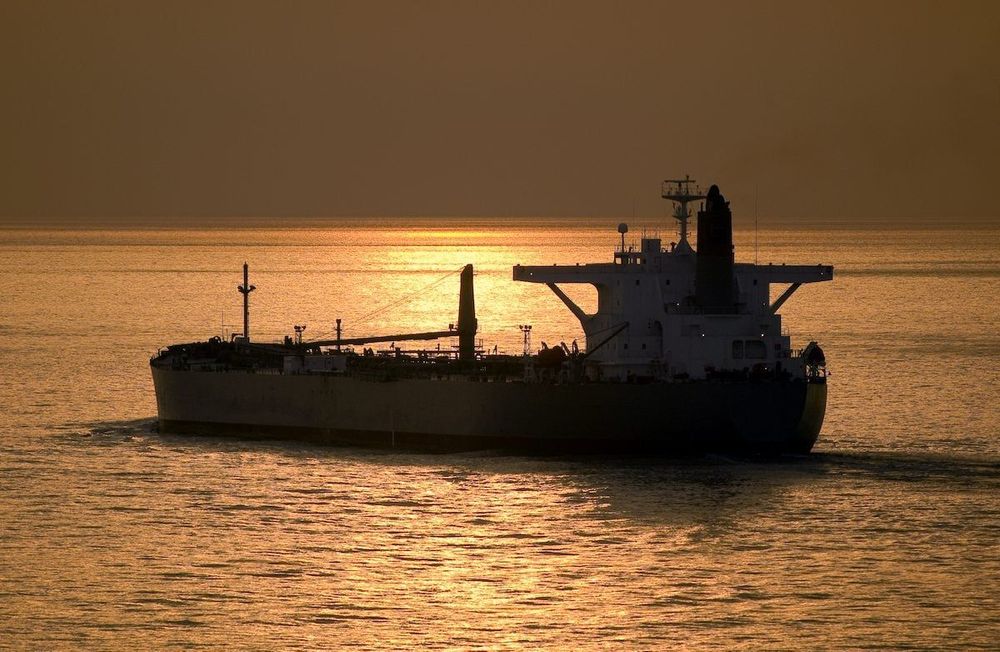
Shipowners are watching warily for a peace deal between the US and Iran and what it would mean for the Strait of Hormuz, with some tanker owners expressing caution, while others were already predicting a frantic free-for-all if the waterway opens in earnest.
There are about 127 oil tankers currently inside the Persian Gulf, according to Signal Maritime data — although it warns the figure is hard to be confident of. Dozens of others have positioned themselves near the strait, to be ready to take advantage of a surge in demand if traffic resumes.
The global energy market was pitched into turmoil when the start of the war led to the effective closure of the waterway, which usually handles about a fifth of the world's oil and liquefied natural gas.
While that move threatened a major energy price shock, trade flows have since reorientated, governments have taken emergency measures, and a growing stream of oil is now sneaking out of the waterway under cover of darkness. Those shifts mean that while the reopening of Hormuz will still be significant, prices have already heavily retreated from their highs.
And even if a deal is signed, it's still unclear what "reopening" of the strait may actually look like. While Trump said ships will have free passage, Iranian media has suggested Tehran will still have a degree of control. Bloomberg reported on Friday that the text of the memorandum of understanding would be open to interpretation in certain areas, according to a person familiar with the matter, including what the reopening of the strait would mean in practice.
Several shipowners said they'd likely take a wait-and-see approach, noting that a resolution has seemed close in the past and then failed to materialize — including two months ago when both sides declared the strait was open, only for Iran to fire on vessels less than 24 hours later. Some cited recent crew deaths as a result of US strikes as a reminder of the risks of crossing.
But some also said that once it did become clear that Hormuz was fully open, there would likely be a rush for the exit and queues near its entrance.
In the event of a resumption of regular flows, it would spell a sudden flood of oil back onto the market as barrels that have been trapped in the Persian Gulf since the start of the war escape, and as Middle Eastern producers look to empty storage tanks that have filled up since the conflict began.
Industry bodies have warned that extreme levels of traffic in Hormuz would raise the risk of crashes and ships running aground.
"There will be a little bit of a stampede," if Hormuz reopens, said Amrita Sen, co-founder of consultant Energy Aspects.
Even without a peace deal, there have been growing signs that significant volumes of oil are flowing through the strait in tankers with their signals switched off — including with assistance from the US military.
On Friday, US Energy Secretary Chris Wright said that about 7 million barrels a day of oil is making its way through the Gulf. JPMorgan Chase & Co. estimated that just over 5 million barrels a day are crossing, while one major commodity trader told a meeting of senior market analysts in Paris this week that their company sees about 4 million barrels a day crossing.
Before the war, the strait typically handed about 20 million barrels of crude oil and fuel products, although the shortfall has also been reduced as Gulf countries reroute supplies via by pipelines that bypass the waterway.
Bloomberg reported previously that Middle East producers have been using vessels they control to ferry barrels outside of Hormuz, and transfer the oil to tankers waiting outside, before returning to the Gulf for further "shuttle runs."
The number of visible ship-to-ship transfers has continued to grow in recent days — Bloomberg could identify transfers in various locations off Oman and the United Arab Emirates on Thursday that would amount to roughly 16 million barrels of oil based on the size of the tankers involved, according to satellite imagery from the European Union's Copernicus browser.
The flows offer another sign of why oil prices haven't spiked in the way many analysts projected when the war began. Brent futures were trading close to $87 a barrel on Friday, down more than 30% from their high in the middle of the war.
If Hormuz did reopen, some shipowners have been busy positioning their vessels for a potential reopening, gambling on a rate surge as the number of cargoes increases and ships remain out of position.
There are also some Middle Eastern producers that have kept vessels empty outside of the gulf, ready to get their country's barrels moving again if and when Hormuz opens. Saudi Arabia's national tanker giant has a handful of such ships in the middle of the Indian Ocean.
Fuente: GCAPTAIN_NEWS