• 3 min de lectura
• 3 min de lectura
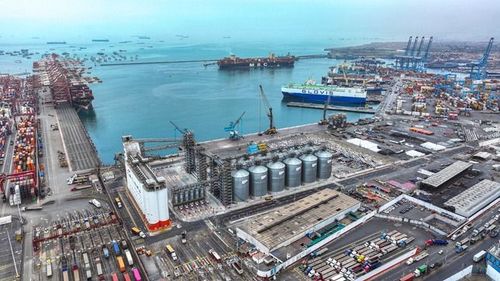
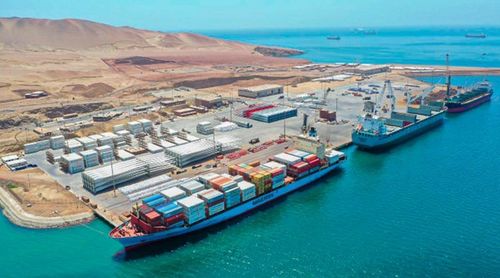
The operation of the Port of Chancay represents one of the most significant changes in the Peruvian logistics system in recent decades. In this context, a technical report suggests that the methodologies used to evaluate competition in the sector should incorporate a more dynamic view of the market, allowing for anticipation of the changes the new terminal will generate.
This is the conclusion of the study "Challenges of Regulation and Competition Related to the Port of Chancay," prepared by José Luis Bonifaz and Julio Aguirre, professors at the Universidad del Pacífico and affiliated researchers at the Center for Studies on China and Asia-Pacific (Cechap).
The report analyzes the main regulatory controversies surrounding the port and reviews the decisions adopted by the competent public entities. Among its main findings, it warns that an evaluation based solely on current market conditions might not adequately reflect the effects that Chancay will have on port competition as foreign trade, investments, and maritime routes evolve.
The study proposes three main recommendations: clarify the competencies among Ositrán, the National Port Authority (APN), and Indecopi; maintain an ex post regulatory scheme, with structured monitoring of tariffs and access conditions; and develop a dynamic and regional evaluation of the relevant market, incorporating analyses of substitution between ports and contestability.
It also argues that, under current conditions, there are insufficient grounds to impose ex ante tariff regulation in the short or medium term.
The researchers also propose complementing traditional methodologies with prospective tools that incorporate variables such as the opening of new trade routes, demand growth, future investments, and the responsiveness of other port terminals.
According to the report, this approach would allow for evaluating competition from a dynamic and regional perspective, considering market evolution beyond current conditions.
For the authors, the regulatory decisions adopted during this stage will be crucial for the development of the Peruvian port system.
In this regard, they consider that in the coming years, Indecopi should re-evaluate competition conditions under a broader geographical delimitation, which could include ports from other countries in the region, such as Chile and Panama.
The report seeks to provide technical evidence to strengthen the debate on the development of the Peruvian port system and contribute to the design of public policies that promote competition, logistical efficiency, and legal certainty in the sector.
The publication was carried out by the Center for Studies on China and Asia-Pacific (Cechap) of the Universidad del Pacífico, the Center for Studies on the Extraction of Natural Resources and Society at Clark University (Extractives@Clark), and Law, Environment and Natural Resources (DAR).