


Agents from Argentina's National Agri-Food Health and Quality Service (SENASA) and Paraguay's Plant and Seed Health and Quality Service (SENAVE) exchanged information and experiences on integrated pest management (IPM) for fruit flies.
The initiative is part of a Technical Cooperation Project by the Argentine Fund for International Cooperation (FoAr) that seeks to transfer the capabilities developed by SENASA in implementing fruit fly management strategies and strengthen the surveillance and control tools used by the Paraguayan agency.
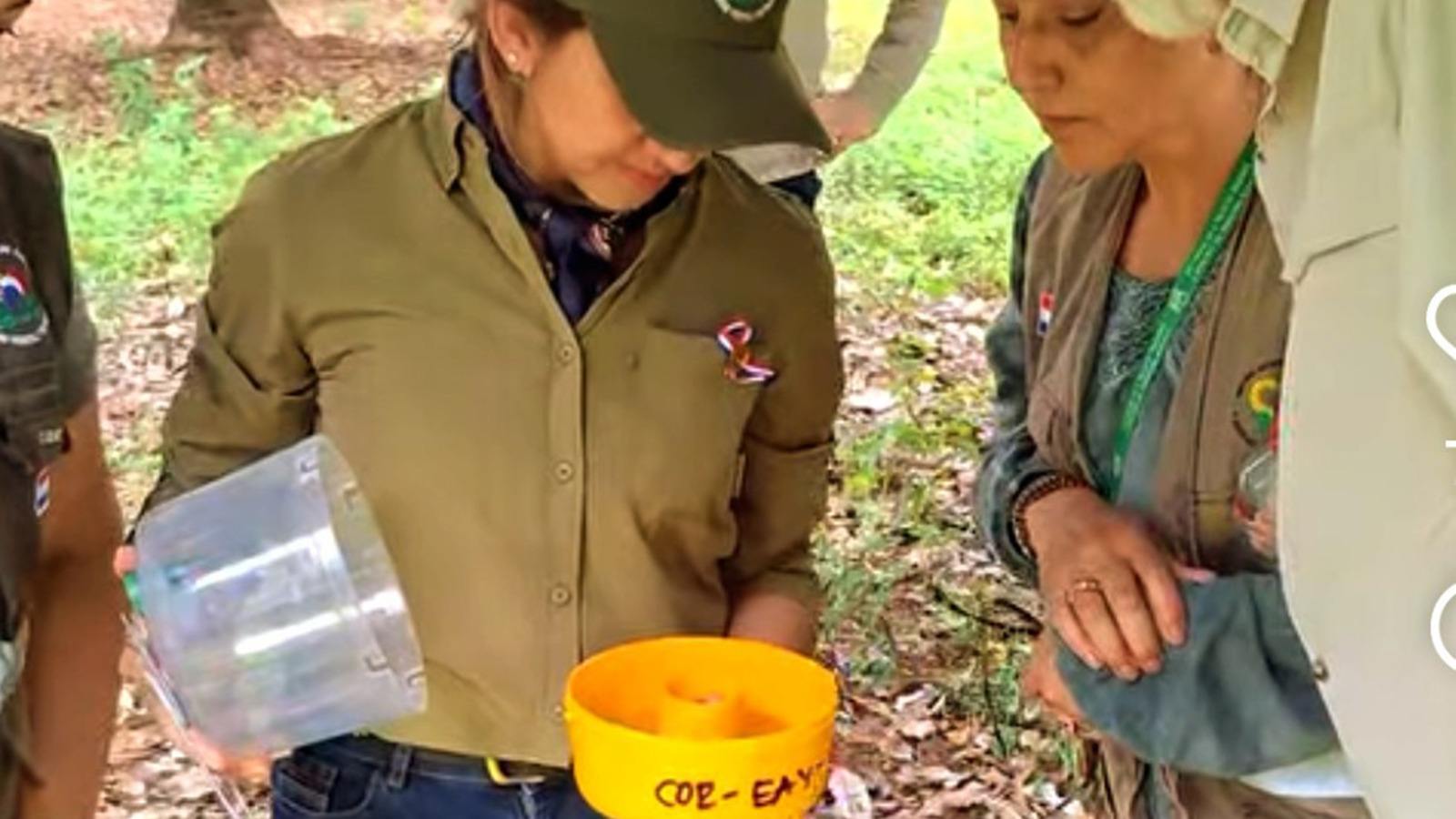
The project aims to contribute to the plant health of both countries through actions that will protect fruit and vegetable production, reduce the impact of economically and quarantinable pests, and promote access to export markets.
In this context, technicians from SENASA's Entre Ríos and Corrientes-Misiones regional centers shared with their SENAVE counterparts tools designed to strengthen surveillance strategies and incorporate new control technologies, such as the Sterile Insect Technique (SIT), which reduces the use of insecticides.
As a result of the project, it is planned to evaluate the feasibility of implementing an Integrated Pest Management program in mango crops in the Paraguayan department of Cordillera, in addition to strengthening SENAVE's capabilities for the surveillance and management of the Mediterranean Fruit Fly ( Ceratitis capitata).
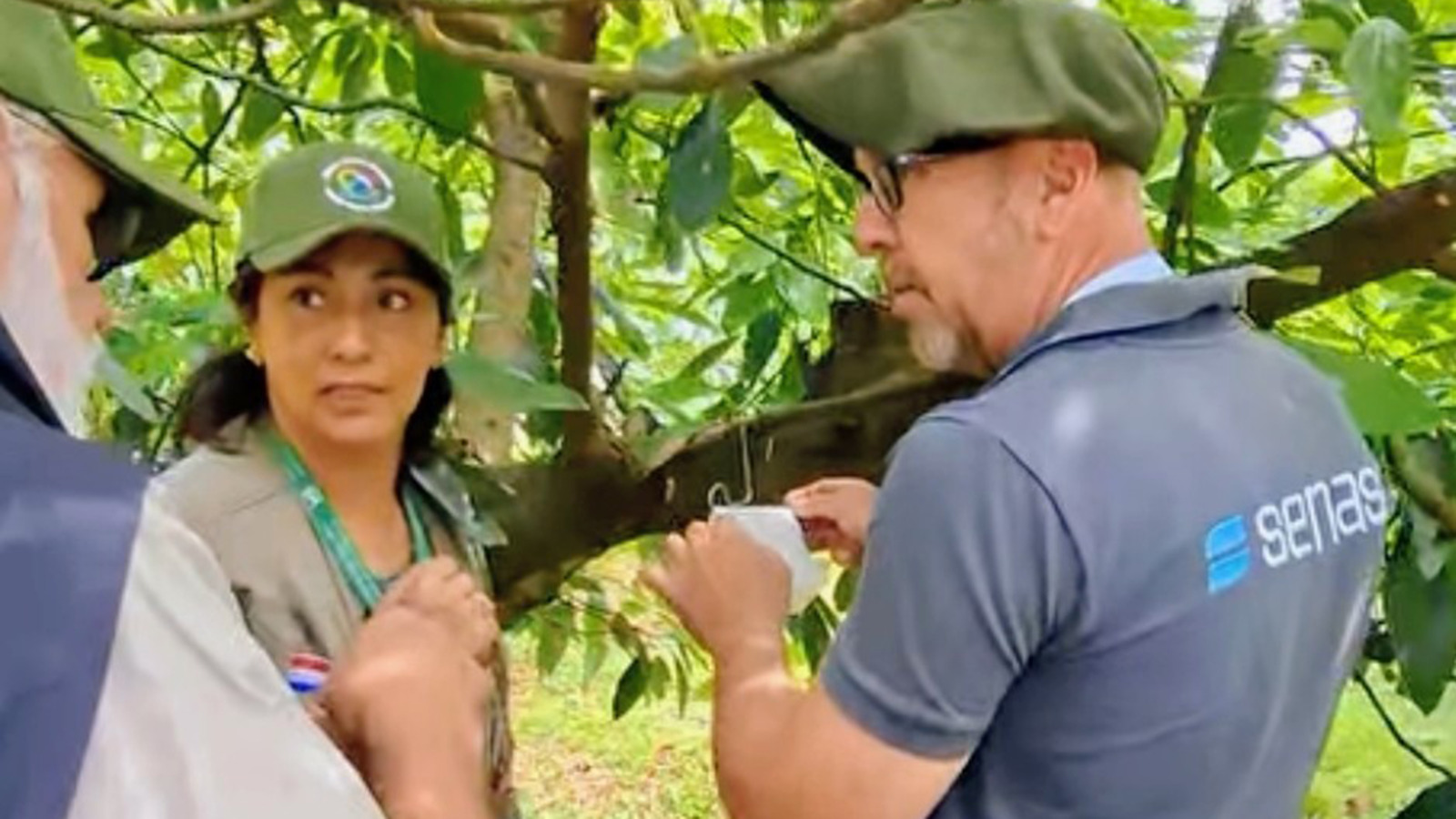
Thus, the cooperation between SENASA and SENAVE seeks to consolidate the technical capacities of both countries, promote sustainable pest management strategies, and contribute to the protection of fruit and vegetable production and the development of regional trade.

