• 2 min de lectura
• 2 min de lectura
As part of health surveillance actions, the National Agri-Food Health and Quality Service (SENASA) carried out inspections in a total of 38 establishments in Corrientes and Misiones, with the objective of monitoring the health status of sheep and goat specimens, particularly imported ruminant breeders (RRI).
The tasks were carried out by veterinarians belonging to the local offices of the Corrientes-Misiones Regional Center, who visited the establishments, performed the corresponding inspections, and evaluated the health situation of each of them.
These surveillance actions are being developed after the detection of classical Scrapie in imported breeding sheep in April 2026, in the provinces of Santa Fe and Entre Ríos. Given this epidemiological situation, the health organization maintains epidemiological surveillance in establishments throughout the country.
Thus, during the rounds, the veterinary teams had the collaboration of the producers, who guaranteed the development of the planned tasks and facilitated —through an epidemiological survey— information on the health situation in the visited establishments, with in situ verification of the animals.
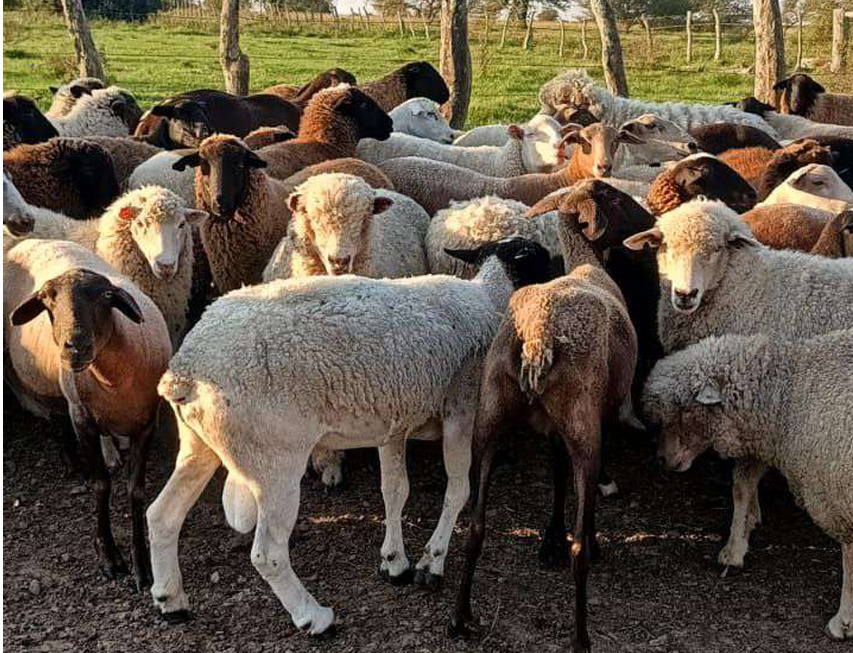
The inspections carried out in Corrientes and Misiones yielded satisfactory results. As part of the surveillance tasks, the Animal Health teams maintain permanent contact with the producers of the visited farms, with the aim of strengthening immediate communication and favoring the early detection of any health situation that may be noteworthy.
In the event of a health novelty, producers must quickly contact the SENASA office in the jurisdiction so that professionals can evaluate the situation and determine the appropriate actions.
Classical Scrapie is a neurodegenerative disease that affects sheep and goats, which is part of the group of transmissible spongiform encephalopathies.
Among the compatible signs, neurological alterations affecting behavior and coordination, weight loss, tremors, and intense itching may be present. As it is a notifiable disease, in the event of any situation that generates suspicion, it is important to immediately notify the official veterinary service.