• 2 min de lectura
• 2 min de lectura
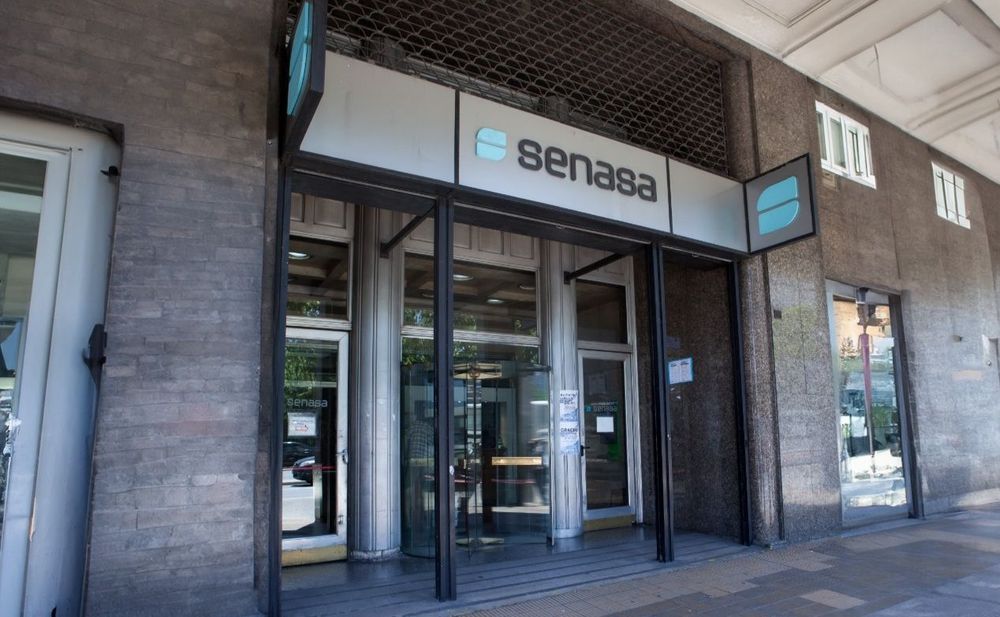
The National Agri-Food Health and Quality Service (SENASA) today signed two agreements with the Government of Santiago del Estero aimed at deepening institutional cooperation and thus advancing the integration of information systems used by both jurisdictions.
The first establishes that the provincial authority will be able to access, through users with consultation profiles, the information registered in the National Phytosanitary Product Traceability System (AGROTRAZA) corresponding to operations declared in the Santiago del Estero territory.
This exchange will allow strengthening the monitoring of the commercial chain, the detection of illegal products, and the control of phytosanitary products circulating in the province. It will also contribute to improving the traceability of their empty containers, in accordance with current health and environmental regulations, while promoting the proper use of these products instead of their prohibition.
The second agreement establishes a framework for cooperation to advance the interoperability of systems managed by SENASA and the Province, with the purpose of integrating the documentation required for the movement of animals.
The initiative aims to unify into a Single Transit Document (DUT) the Electronic Transit Document (DT-e) issued by SENASA, the provincial guides for livestock transport, and registration information related to the branding and marking regime.
This integration will allow simplifying and streamlining producers' procedures, avoiding duplication of paperwork, and strengthening the sanitary monitoring of animal movements. Likewise, it will favor more efficient management of information associated with the supply of the domestic market and export-oriented circuits.
The technological implementation of the Single Transit Document will be carried out through specific agreements and will be subject to corresponding administrative authorizations and budgetary availabilities.
With the signing of both agreements, SENASA and Santiago del Estero deepen their joint work and move towards more integrated sanitary management, with greater information exchange and digital tools that simplify operations in the productive sector.