

The National Agri-Food Health and Quality Service (SENASA), through Resolution 957/2026 published today in the Official Gazette, established the procedure for quality inspection and phytosanitary certification of garlic produced and/or conditioned in the provinces of Mendoza and San Juan destined for Brazil.
The regulation incorporates the use of the SIG-APP computer application to manage the corresponding requests, through a 100% online and self-managed system.
The new scheme seeks to strengthen the traceability of shipments, optimize the allocation of the agency's resources, and preserve the international reputation of Cuyo garlic production, minimizing the risks and costs associated with eventual border rejections.
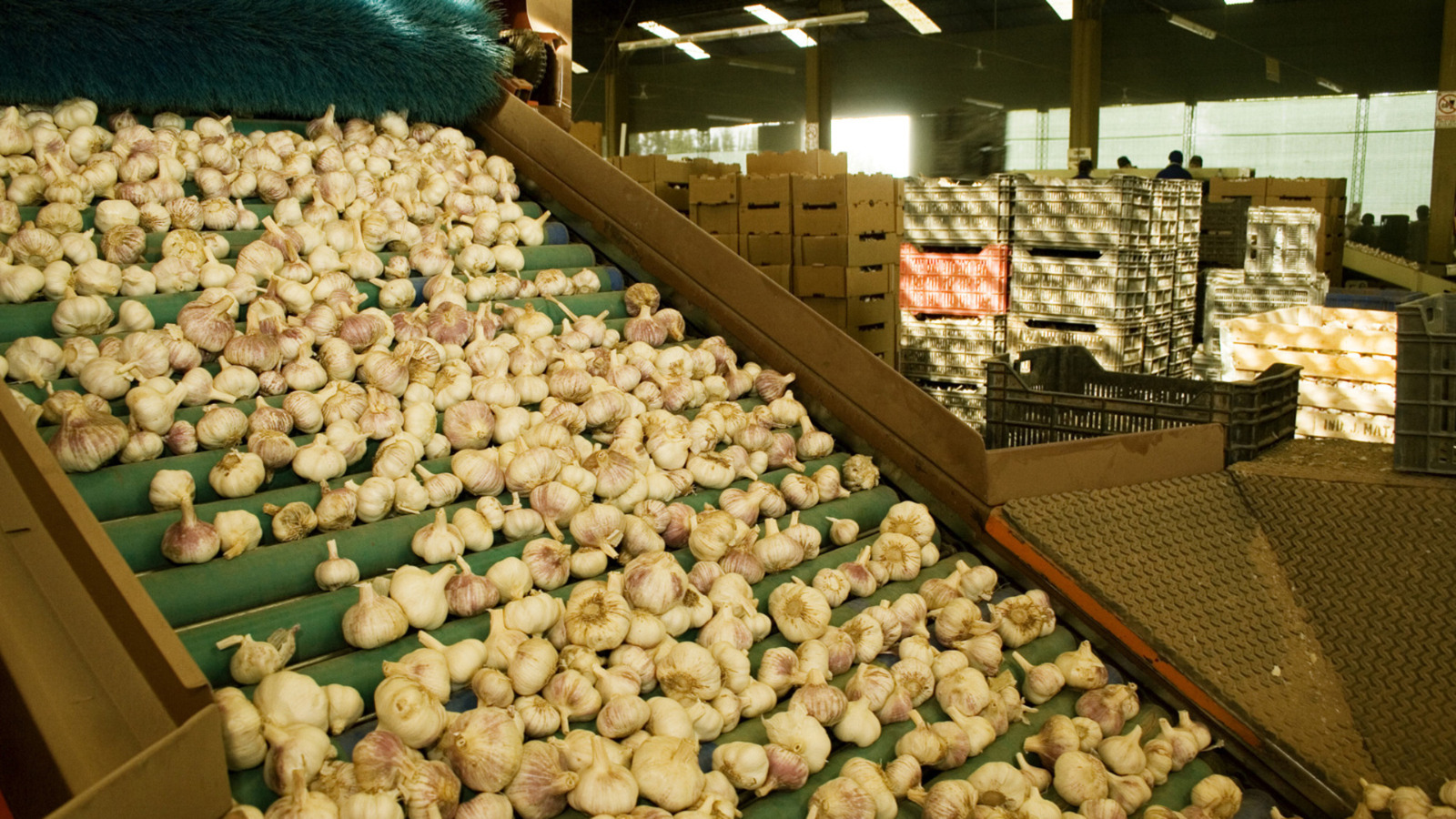
Argentina stands out among the main garlic exporting countries worldwide, and Brazil constitutes the main historical destination for exports of this product from Mendoza and San Juan. In this context, the measure seeks to contribute to maintaining access conditions to that market and protecting this productive activity.
The initiative was promoted by the Association of Producers, Packers and Exporters of Garlic, Onions and Related Products of the Province of Mendoza (ASOCAMEN) and the provincial Government.
A procedure based on risk analysis
As of this Resolution, requests for quality inspection and phytosanitary certification must be made using a form available in SIG-APP.
The regulation also approves an operating procedure that includes the intervention of official agents and the risk assessment of each packing establishment, with the purpose of strengthening the monitoring of production destined for export.
In this way, SENASA implements an inspection system that integrates risk analysis, controls at origin, and monitoring mechanisms of the export chain, to strengthen the sanitary guarantees of products destined for international trade.
Documentation for users
Those interested can consult the documents approved by the Resolution:


