Types of goods and navigation conditions determine the most suitable model for navigation
Published on 11/24/2026 17:27
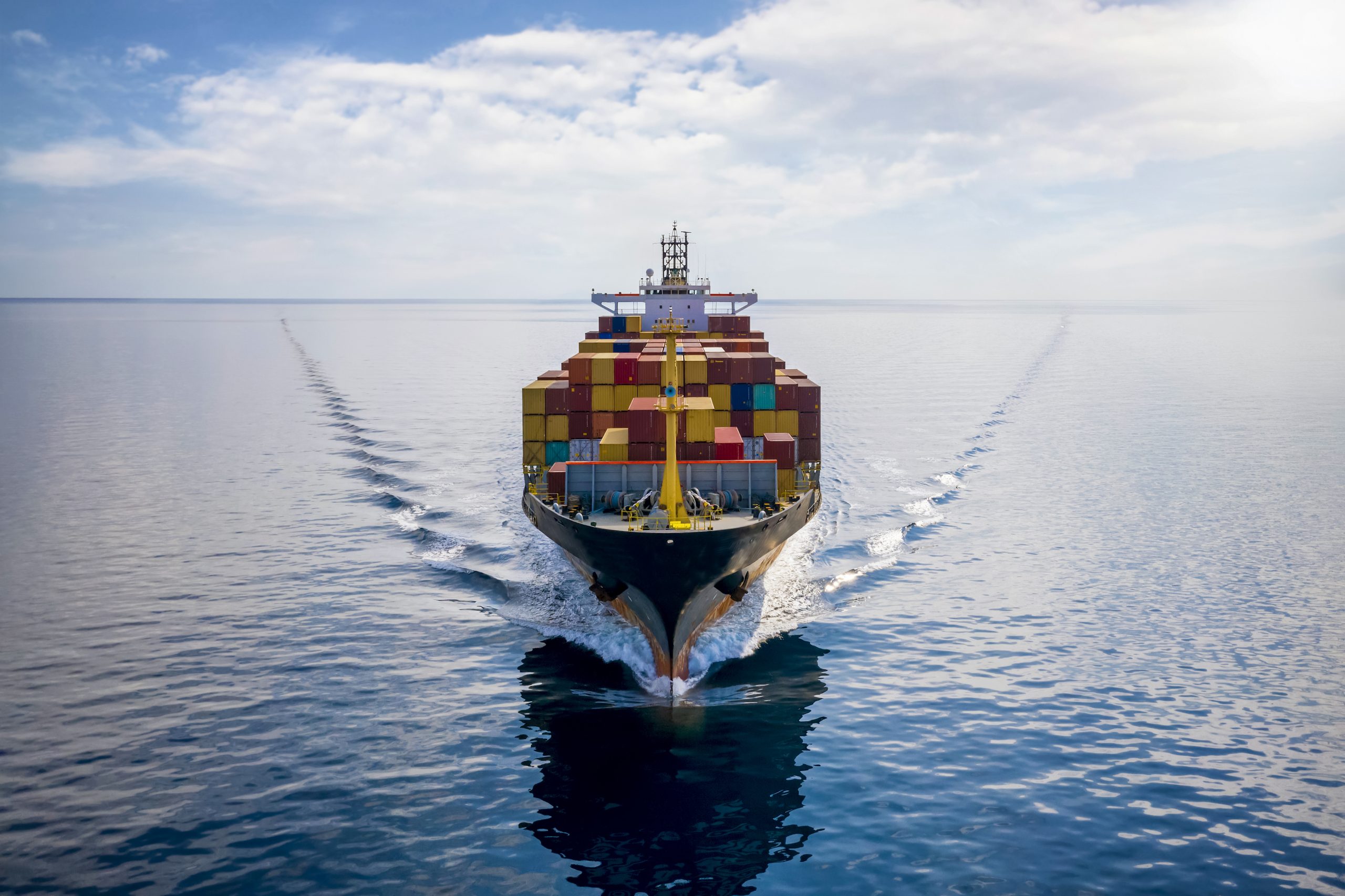 Ships and river vessels have specific structures to transport products and meet navigation conditions. Photo: Disclosure/Internet
With approximately 20,000 kilometers of navigable waterways used for commercial and passenger transport, in addition to an extensive coastline, Brazil relies on different vessel models to move goods within the country and connect national production to international markets. Each has its own characteristics, designed to transport specific products and operate in particular environments.
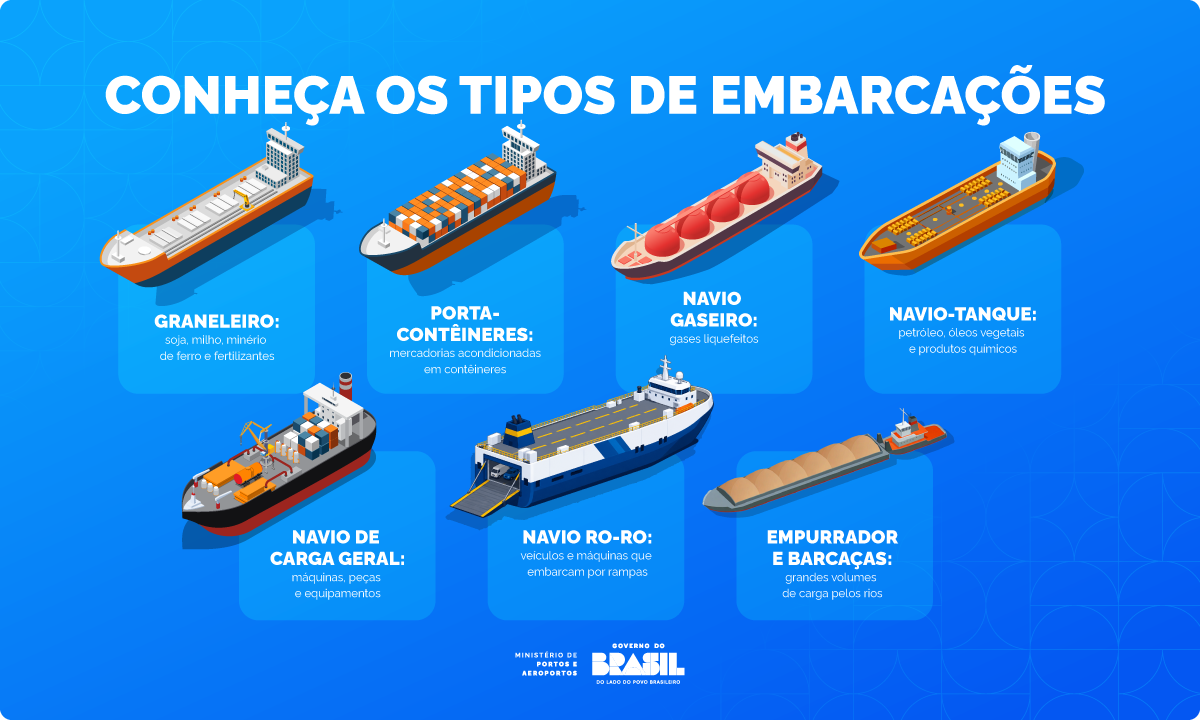
Among the best known are bulk carriers, used for transporting solid bulk cargo in large volumes, such as soybeans, corn, iron ore, and fertilizers. Without the need for individual packaging, these products are stored directly in the vessel's compartments, which can transport thousands of tons in a single voyage.
Container ships, on the other hand, cater to a wider variety of goods, such as clothing, home appliances, industrialized foods, parts, and equipment, which can travel in standardized metal boxes, facilitating storage and movement between ships, trucks, and trains.
When the cargo is liquid, tanker ships are used, prepared to transport petroleum, derivatives, vegetable oils, and chemical products in specific compartments. There are also vessels specialized in transporting liquefied gases, which require their own storage and control systems, according to the product's characteristics.
General cargo ships can transport machinery, equipment, parts, and products of different dimensions, accommodated according to the needs of each operation. For vehicles and machinery that can move on wheels, ro-ro (roll-on/roll-off) vessels offer a different boarding method. Instead of being hoisted, they enter and exit the vessel via ramps.