• 2 min de lectura
• 2 min de lectura
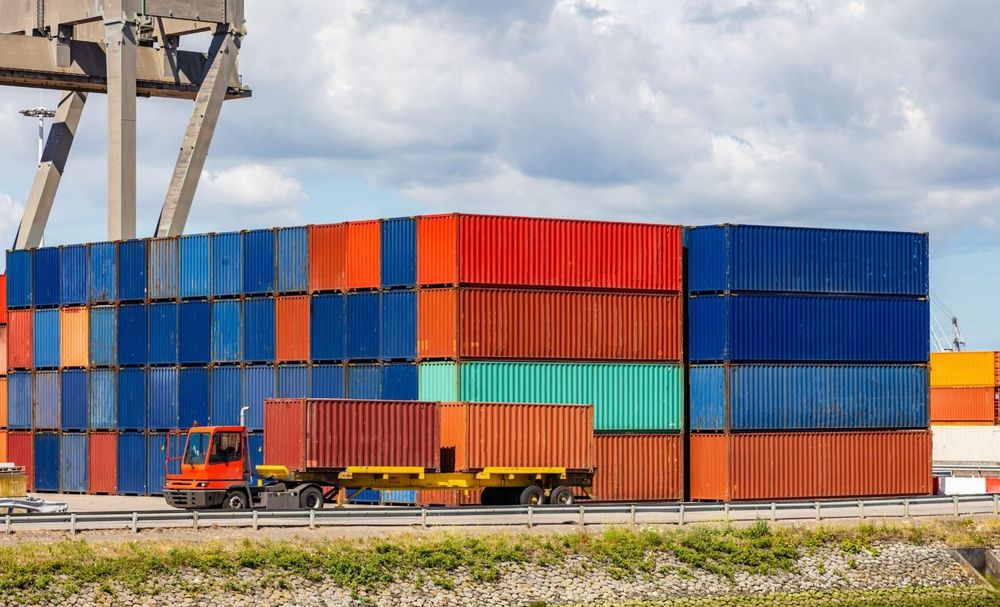
The recent reform to the Organic Code of Production, Commerce, and Investments (COPCI) aims to resolve the operational collapse in Ecuadorian maritime terminals due to definitively abandoned goods. The new regulations streamline legal processes to clear approximately 12,000 containers accumulated in warehouses over recent fiscal years. This legal adjustment provides direct relief to port storage areas, which were operating at the limit of their installed physical capacity.
An analysis of the measure indicates that the accumulation of immobilized cargo hindered the dynamism of stevedoring and customs control processes within national terminals. With the approved changes, the National Customs Service of Ecuador (SENAE) now has agile tools to donate, auction, or destroy these shipments expeditiously. Port associations emphasize that the liberation of these physical spaces will immediately improve response times for multimodal transporters.
The optimization of container yards is expected to significantly reduce delays that increase the internal logistics costs of imports and exports. The continuity of commercial flow will depend on the speed with which authorities execute pending inventories at each operational dock. In the future, this renewed legal framework will consolidate as an indispensable strategic benefit to maintain the competitiveness of the terminals against regional markets.
Source: camara_ecuador