• 3 min de lectura
• 3 min de lectura
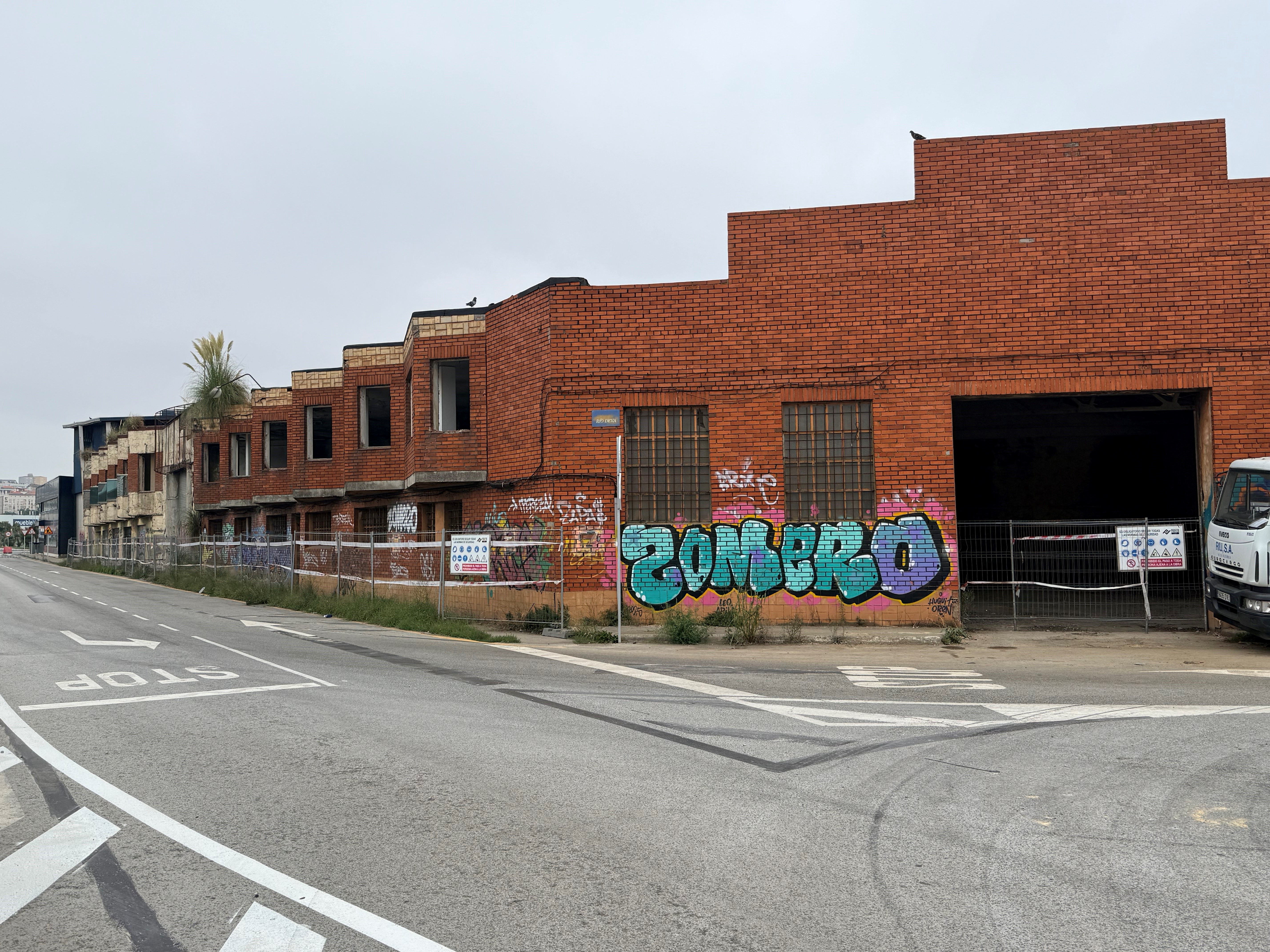
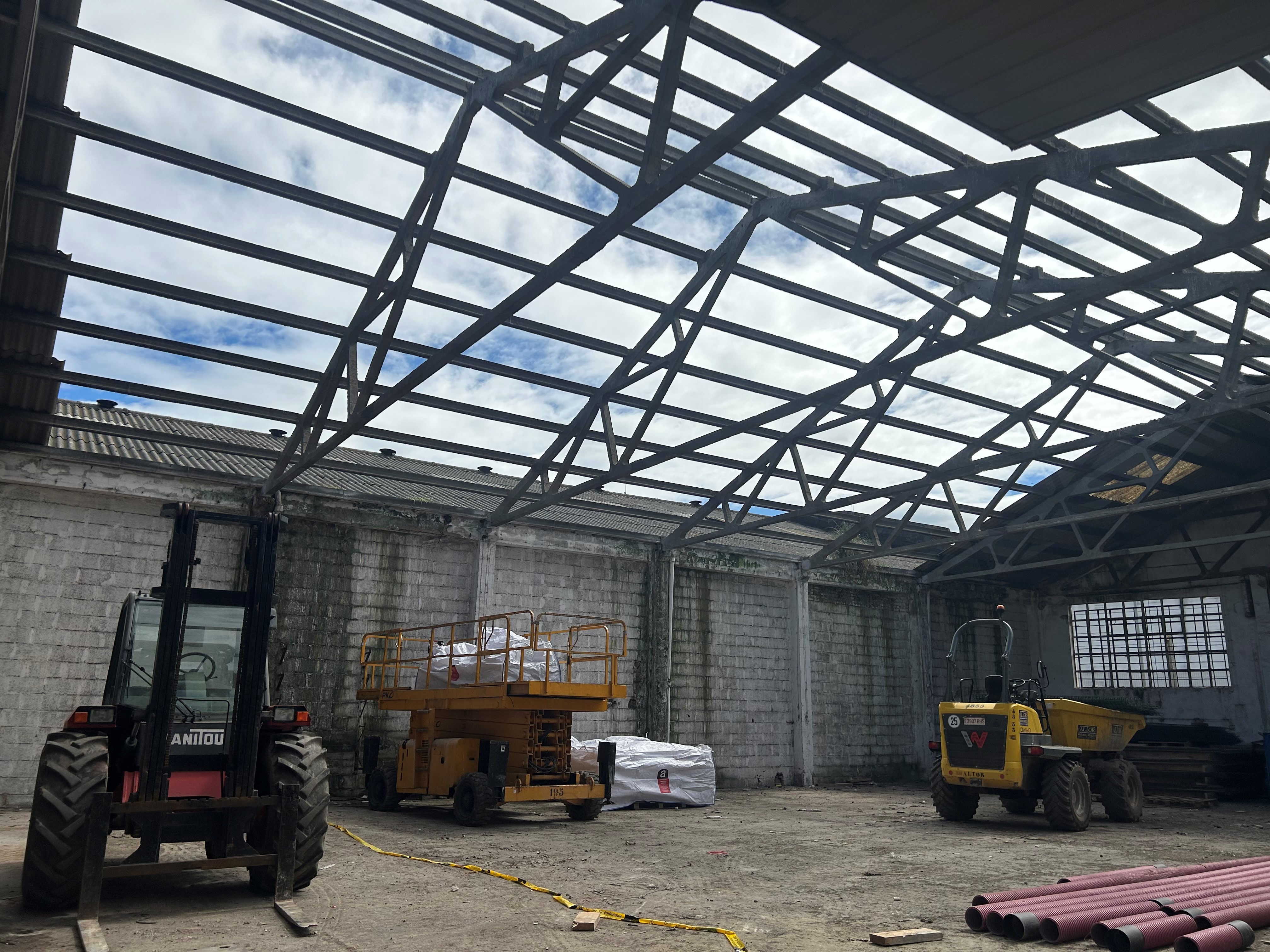
Santander, September 22, 2026. The president of the Port Authority of Santander (APS), César Díaz, reported this morning on the "good progress" of the demolition work on several of the old, disused industrial warehouses in the Wissocq industrial estate "which are no longer suitable for merchandise storage due to their poor condition."
"With this action, we are generating another 6,200 square meters of operational surface that are added to the 43,700 that we are enabling in the Logistics Activities Zone (ZAL) thanks to the incorporation of part of this industrial estate into the port's service area," he specified.
The location of the warehouses is very close to the Port's enclosed area, which represents, according to Díaz, "a strategic opportunity for the development of a potentially useful space for port operations."
The works, which involve a total investment by the APS of 1,635,400 euros, include the controlled demolition of a total of six existing warehouses, the management of the waste generated as a result of the demolition and dismantling process of the structures, and the leveling of the resulting plots.
"The ultimate goal is to have new surfaces to house port operations and in which, in addition, the necessary infrastructures can be developed according to their operational requirements," Díaz stated.
At the same time, work has concluded for the incorporation of a part of the Wissocq industrial estate into the port's operational surface, specifically, 23,700 square meters. And, in parallel, work has also begun on the second phase, located in the northern area adjacent to the current enclosure of the Logistics Activities Zone (ZAL), which will increase by another 20,000 square meters.
In total, the two phases into which the global intervention and the recovery of the old warehouses in the industrial estate have been divided add up to a total of 50,000 square meters of new port surface and represent an investment by the APS of 6.3 million euros.
"One of our main challenges is the constant generation of new land," Díaz added. "It is essential to improve the development conditions of current traffic and, at the same time, be prepared to accommodate the new business opportunities that arise."
Díaz added that, in addition to this operation, other initiatives such as the expansion of the automobile silo or the recovery of disused port land - such as the curvilinear triangle - have also increased the spatial capacity of the Cantabrian infrastructure.
As always, "we continue to prioritize providing our industrial and productive sector with the best business opportunities, contributing, in addition, to the GDP and employment in Cantabria" - 14% and 11%, respectively - he concluded.