• 3 min de lectura
• 3 min de lectura
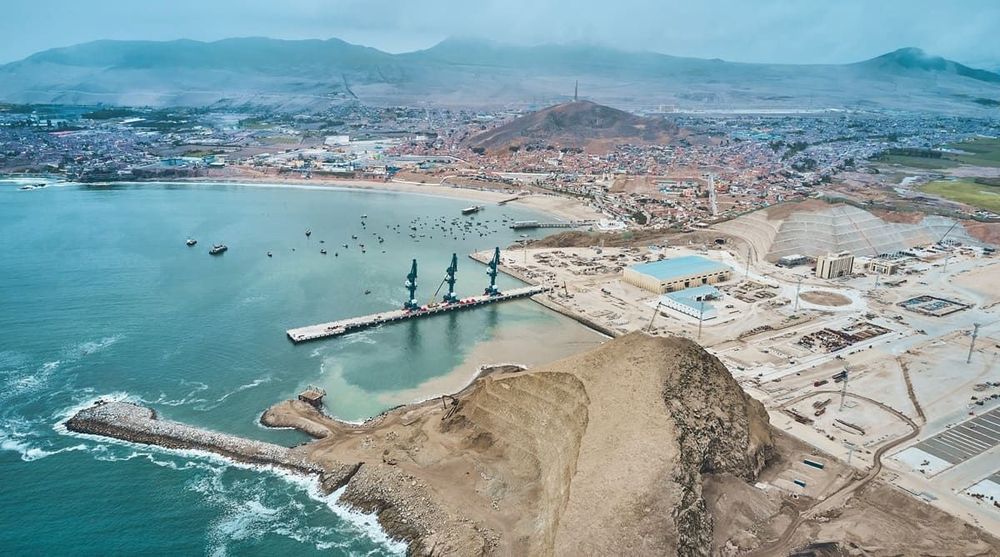
The Cosco Shipping route between the port of Chancay and Shanghai increased its voyages and the value of moved cargo in 2026, according to Shanghai Customs.
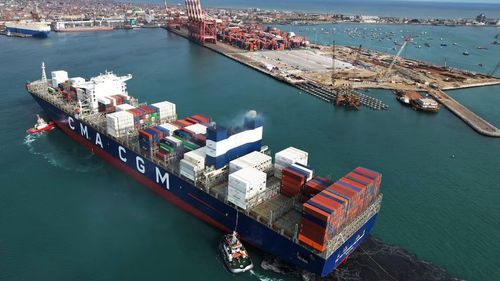
The direct maritime route between the port of Chancay, operated by Cosco Shipping Ports in partnership with Volcan, and Shanghai closed the first eight months of the year with more voyages and more cargo than in the same period of 2025. This is indicated by Shanghai Customs figures cited by the state media China News Service.
Between January and August, the corridor registered 170 voyages and transported 141,000 tons of import and export cargo. The value of this cargo reached 4.04 billion yuan (about US$ 599 million). According to the source, these figures represent year-on-year increases of 13.7% and 33.3%, respectively.
Since its launch in late 2024, until September 1, the route moved 355,000 tons with a value close to 10 billion yuan. In that period, the variety of transported products increased from 34 to 75.
A shipment of 12.2 tons of fresh blueberries recently departed from Chancay to Shanghai in refrigerated containers via Cosco Shipping's WSA5 express service. It was the first shipment to use a mutual recognition model to supervise the cold treatment probes of imported fruit.
Until now, Chinese inspectors had to verify the location and validity of the probes in each container at the destination port. With the new scheme, the Chinese customs authority accepts official Senasa data.
A shipment of 12.2 tons of fresh blueberries recently departed from Chancay to Shanghai in refrigerated containers via Cosco Shipping's WSA5 express service.
"By accrediting official Peruvian data, on-site operations at the port to verify cold treatment probes have been greatly streamlined, reducing inspection time per container by almost half a day and effectively lowering total customs clearance costs, including logistics, inspection, and storage, for foreign trade companies," Shanghai Customs stated, according to China News Service.
Shanghai is the main gateway for Peruvian fruit to China. Between January and July, it imported 41,000 tons, 4.4% more than a year earlier and 87.2% of the total China bought from Peru.
On September 2, the first batch of fresh Peruvian bananas passed through Shanghai customs, under the supervision of Yangshan Customs. It was the first shipment since the product gained access to the Chinese market. The 19.6 tons arrived via the route from Chancay.
In the opposite direction, the Haitong terminal, in the Waigaoqiao port area, has dispatched seven roll-on/roll-off cargo vessels to Chancay with 4,770 vehicles so far this year. The most recent, the Huanghekou, sailed with 315 new energy Chinese vehicles.
For Wang Peng, an associate researcher at the Beijing Academy of Social Sciences, the route shortens shipping times between China and Peru. With Chancay as a logistics hub, it can also serve Chile, Ecuador, and other countries in the region. According to Global Times, the corridor carries Latin American agricultural products to China and Chinese industrial goods, especially electric vehicles and home appliances, to Latin America.