• 2 min de lectura
• 2 min de lectura
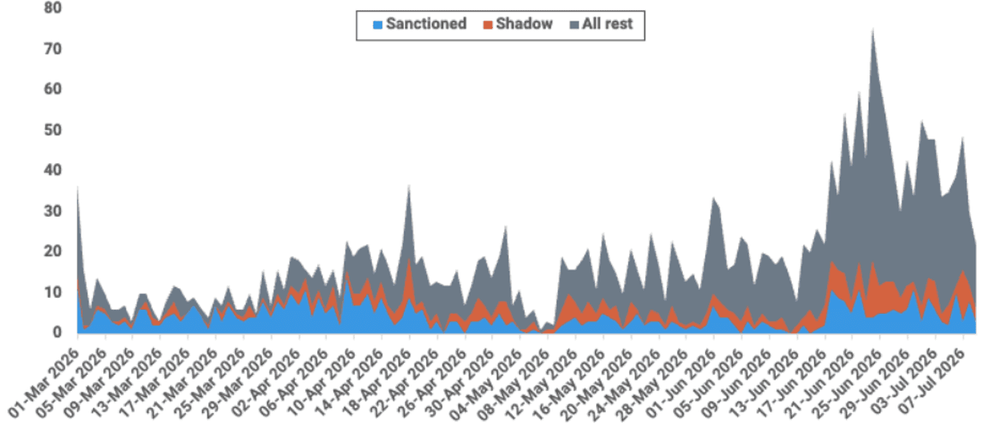
Table of physical attacks on vessels as of July 10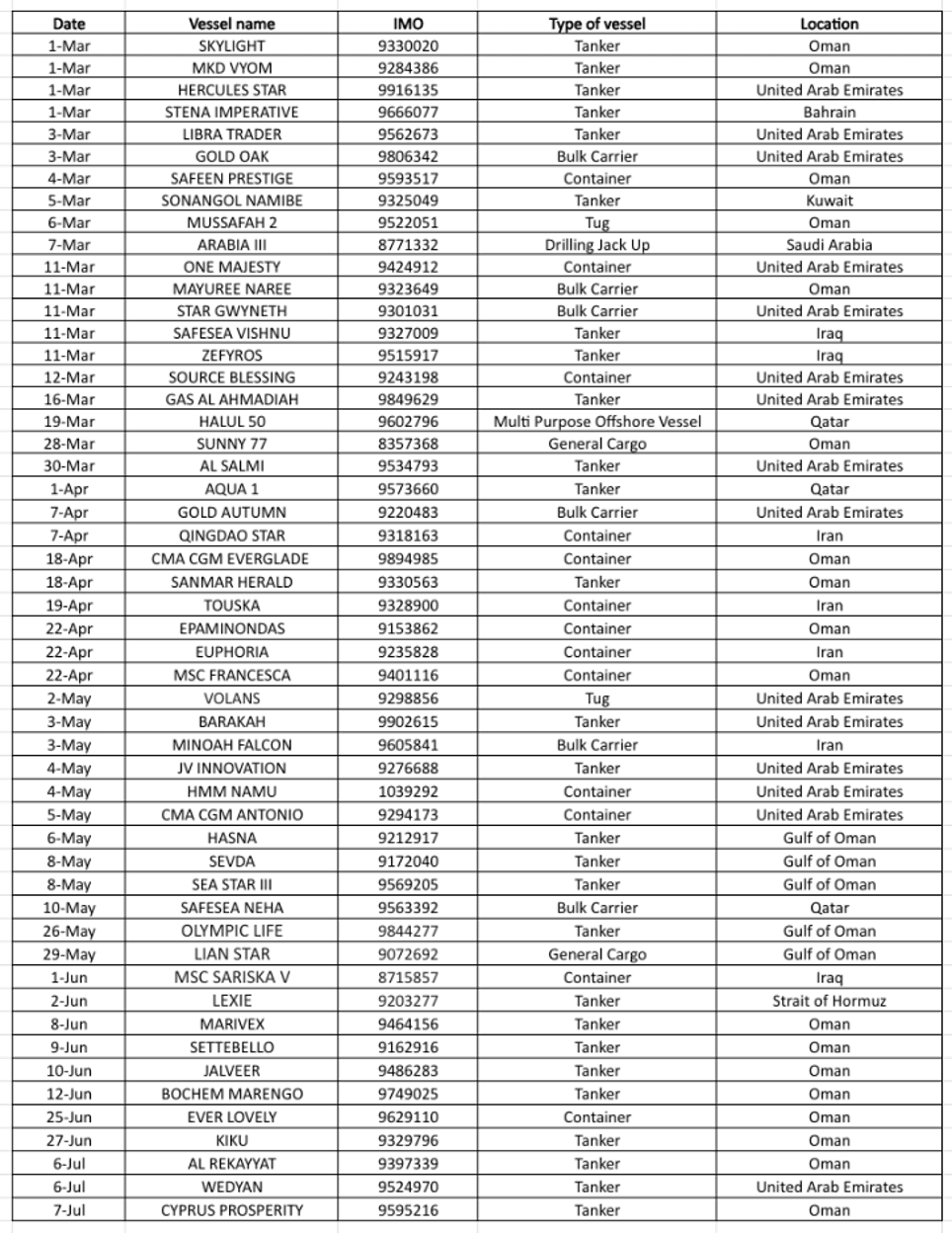 Source: Kpler Risk and Compliance, IMO
Vessels crossed SOH by risk level as of July 9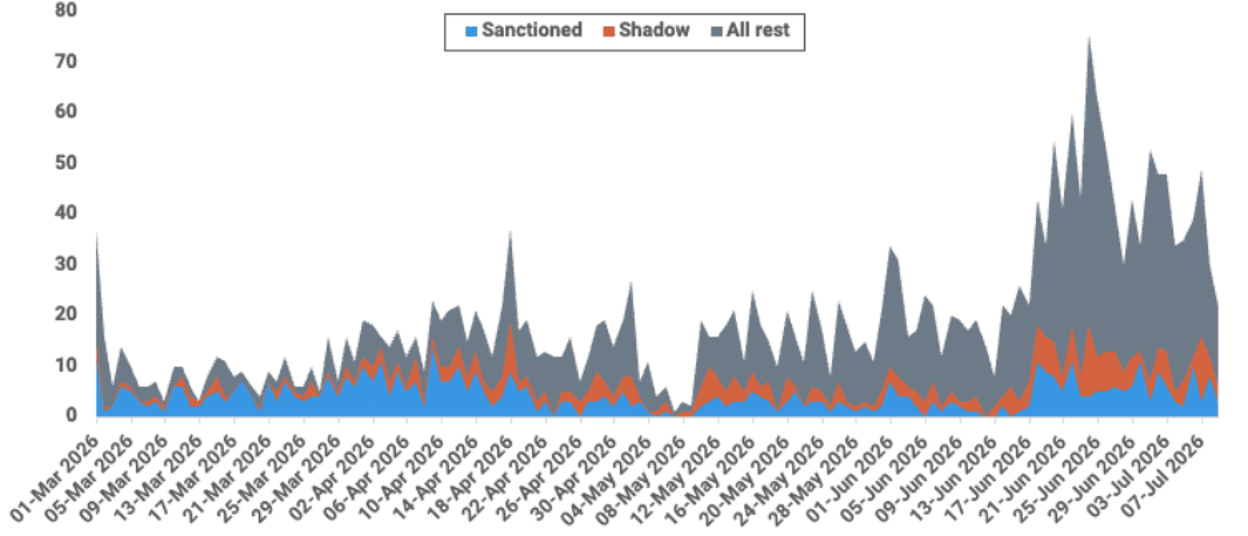 Source: Kpler Risk and Compliance; full traffic data is available including non-commercial vessel tracking from MarineTraffic
Vessels crossed SOH by direction of crossing as of July 9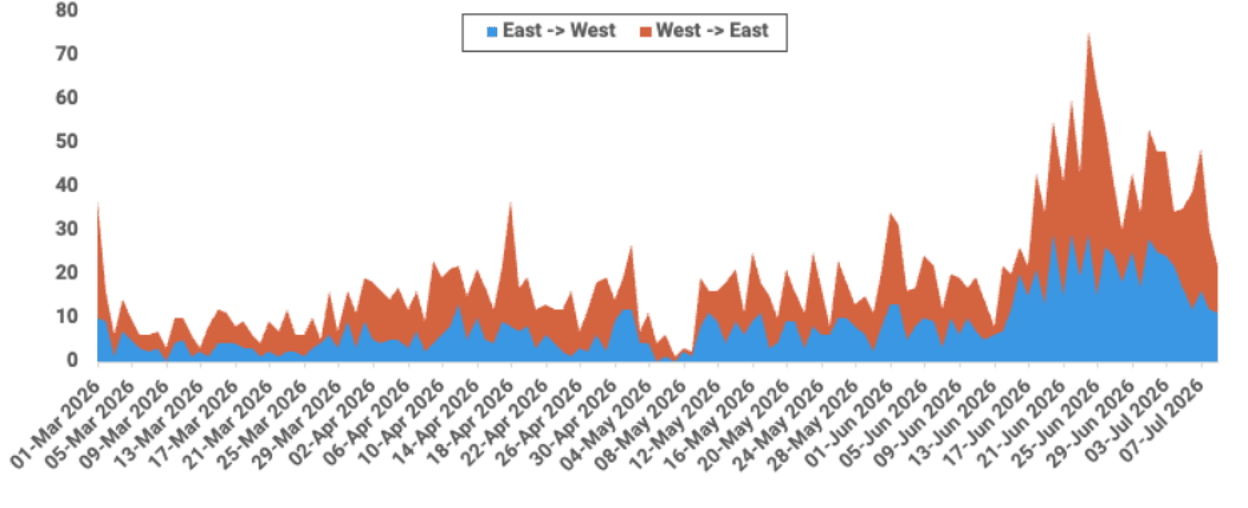 Source: Kpler Risk and Compliance
Confirmed crossings through the monitored Strait of Hormuz zone fell for a second consecutive day on 9 July, with 22 verified transits, down from 30 the previous day. Crossings were mostly low-risk and evenly split by direction between west-east and east-west. Commercial activity was only slightly higher than non-commercial traffic, at 12 crossings versus 10, while Iranian-flagged movements stood at four. Laden voyages totalled seven, carrying CPP, DPP, crude and dry bulk.
Routing remained concentrated on the Iranian Route, with nine crossings, but the IMO and Dark/Unknown routes both picked up to six crossings each. The Omani route recorded just one crossing again, extending its sharp loss of traction after the recent attacks near Oman. No new physical attacks have been recorded since 7 July, but the recent cluster of incidents and the sustained drop in Omani-route use show that operator confidence remains fragile and highly route-sensitive.
Diplomatic tensions remain elevated, with negotiations increasingly overtaken by renewed military escalation. US-Iran strikes have continued for a second day, and the ceasefire framework that supported the late-June traffic rebound now appears materially weakened. Hormuz remains open, but the market is no longer pricing diplomacy as a stabilizing floor. With Hormuz control still a central point of dispute between Washington and Tehran, operators are likely to remain cautious, route-selective and more willing to delay discretionary transits until there is clearer evidence of de-escalation.