• 2 min de lectura
• 2 min de lectura
Australian farmers, food suppliers, tourism operators, travel agents, ports and cruise industry leaders have united to warn that Australia risks losing international cruise ships and billions of dollars unless rising costs and regulatory uncertainty are addressed.
They have launched the 'Australian Paddock to Port Alliance,' a new national campaign making the economic case for a strong and competitive cruise sector.
The Alliance will highlight the businesses behind every cruise ship visit, from the produce loaded on board and the suppliers who deliver it, to the hotels, tour operators, transport providers, retailers and regional communities that benefit when cruise ships choose Australia.
According to Australia's Paddock to Port Economic Impact Report, cruise contributes more than A$7.3b in annual economic activity in Australia and supports more than 22,000 Australian jobs.
Cruise lines spend around A$1.5b in Australia each year, supporting suppliers, service providers, port operations and the wider visitor economy.
Across Australia, cruise passengers spend around A$1.8b, including on accommodation, shore excursions, retail, transport, dining and other visitor spending.
Passenger spending includes almost A$400m on food and beverages ashore, around A$250m on shore excursions, around A$210m on retail purchases and around A$210m on transportation.
"Cruise lines have been warning that Australia is becoming uncompetitive as a destination and risks losing cruise tourism to other countries," Joel Katz, executive director of Cruise Lines International Association Australasia, said.
'We are asking for stable, practical and competitive settings so Australia can continue to attract cruise ships, passengers and investment," Katz said.
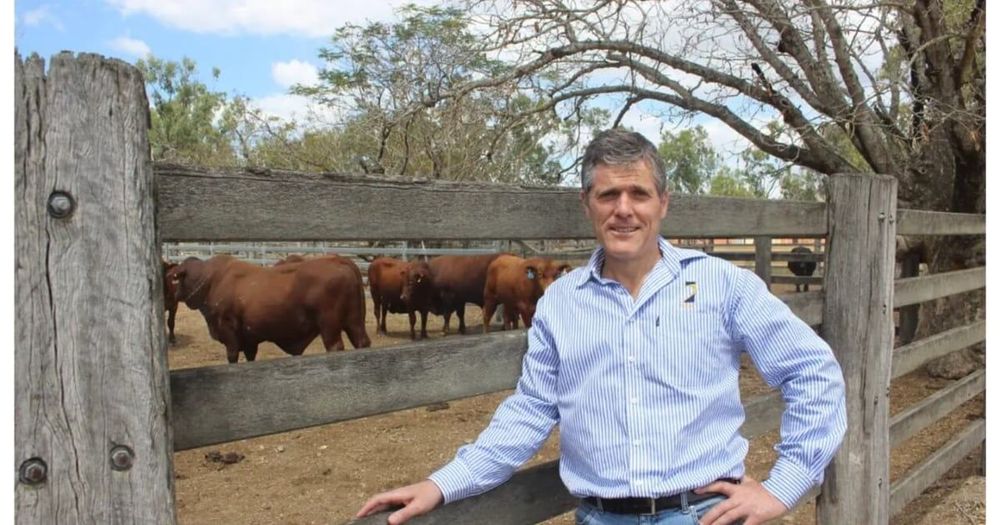
Michael Guerin, CEO of the National Farmers' Federation, said when ships are provisioned in Australia they create demand for fresh produce, meat, dairy, seafood, wine and other Australian goods.
"Cruise may start at the port, but the economic activity reaches back to paddocks, processing facilities, transport networks and regional businesses," Guerin said.