• 5 min de lectura
• 5 min de lectura
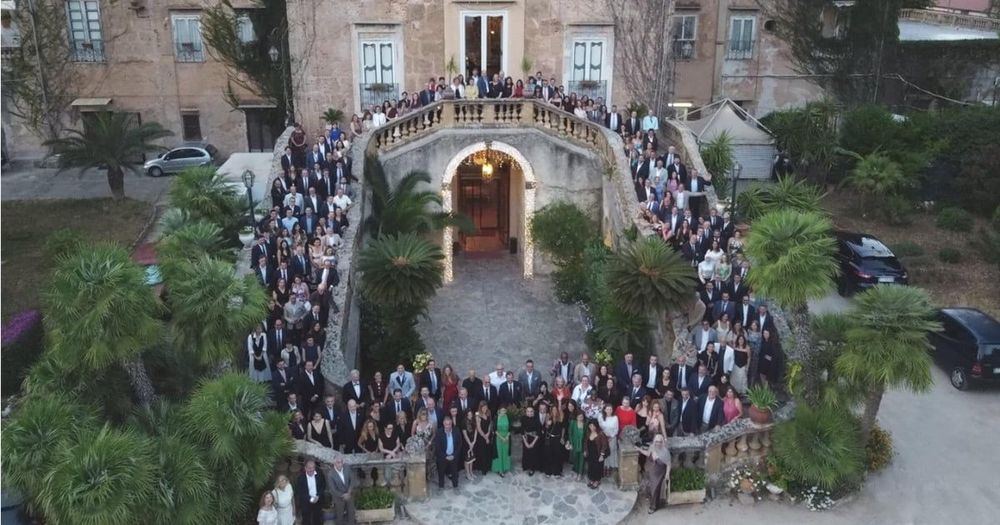
The 68th MedCruise General Assembly in Palermo, Sicily held special significance as the association marked its 30th anniversary year, bringing together over 240 participants and representatives from 27 cruise lines in a record-breaking gathering that outlined strategic priorities for Mediterranean cruise ports.
Hosted and co-organised by the Port System Authority of the Sea of Western Sicily, the anniversary event featured honorary presidents and former secretaries general reflecting on MedCruise's evolution and contribution to strengthening the Mediterranean as a cruise region. Over 700 B2B meetings took place between MedCruise members and cruise line executives during the assembly.
Panels at the General Assembly set out a compact but clear agenda for Mediterranean cruise ports: treat communications as a strategic, ROI‑driven function, invest in flexible, multi‑purpose infrastructure, and stay the course on decarbonisation despite rising geopolitical volatility.
The panel '30 Years of Evolution: The Future of Cruise Port Communications' urged ports and destinations to align trade media, conferences and social platforms directly with route development and homeporting goals, backed by data on economic and environmental impact to reassure local communities and strengthen negotiations with cruise lines.
The session 'Navigating Uncertainty: How Geopolitical Disruption Is Redrawing the Mediterranean Cruise Map' highlighted that strong guest demand for the Mediterranean remains, but deployment now requires far greater vigilance and agility in itinerary planning, especially in sensitive Eastern Mediterranean zones.
Port developers and investors argued for multi‑purpose terminal designs, phased capex and robust public‑private partnerships so projects remain financeable even as calls shift, while cruise lines underlined decarbonisation targets and the need for ports to match them with timely shore‑side energy and fuel infrastructure.
The panel 'Beyond Growth: 30 Years of Transformation in the Cruise Industry' examined the sector's evolution, whilst Thanos Pallis, professor in port & maritime economics & policy at the University of Piraeus, paid homage to past MedCruise presidents during his 'State of the Cruise Port Industry' presentation, revealing key findings about regional development.
The MedCruise State of the Industry Report, presented during the event, offered valuable insights into latest trends, market developments and operational dynamics shaping the cruise sector across the Mediterranean and its adjoining seas. The report will also be presented at Seatrade Cruise Med in Las Palmas de Gran Canaria in September.
The assembly featured 'Accessible Seas: Advancing Inclusion in Cruise Travel', addressing the industry's commitment to improving accessibility across Mediterranean cruise destinations and port facilities.
Santorini featured as a symbol of both opportunity and pressure: a must‑see destination whose popularity amplifies concerns about congestion, local acceptance and operational reliability for cruise lines.
Alessandro Carollo, AVP government relations, Royal Caribbean Group, cautioned that sudden and uncoordinated port restrictions, regulations, taxes, or operational changes can weaken a destination's attractiveness and operational readiness for cruise calls. Citing Santorini as an example, he referred to an overnight municipal decision that obliges cruise operators to split passengers between Fira and Athinios ports and reroute large volumes through Fira, where the port authorities already maintain a safety cap of 500 people at the pier at any one time.
Responding to the observations, Theodora Riga, president of MedCruise and president of Corfu Port Authority, said: "Cruise planning is a complex process that requires long-term coordination among cruise lines, ports, local authorities, and destinations. Sudden regulatory changes can create significant operational challenges and uncertainty for all parties involved.
"However, I believe it is important to distinguish between the challenges experienced in a specific destination and the overall performance of a country's cruise sector."
She said that whilst difficulties may arise when "one of the world's most sought-after cruise destinations" faces operational or regulatory challenges, "these issues should not be extrapolated to the entire country."
Greece is home to 48 cruise destinations, many of which continue to demonstrate strong cooperation with cruise lines, with several Greek ports recording double-digit increases in both cruise calls and passenger volumes for 2026.
The MedCruise president added, "Constructive dialogue and collaboration remain essential. When challenges arise, they should be addressed openly and collectively. Equally, when destinations perform successfully and work effectively with all stakeholders, their achievements should be recognised and reflected accurately in discussions concerning the future of cruise tourism in the Mediterranean."
Beyond the conference programme, attendees experienced Palermo and Sicily's rich cultural heritage through curated excursions including Among UNESCO Monuments and Baroque Splendors, the Lisca Bianca Tour, The Leopard Residence, and In Monreale, Where Time Seemed Suspended by Sky and Stone.
The social programme included a spectacular Gala Dinner celebrating both the General Assembly and MedCruise's 30th anniversary, plus a vibrant Farewell Dinner featuring local music, cultural performances and Sicilian hospitality.
Fuente: sea-trade cruise