• 3 min de lectura
• 3 min de lectura
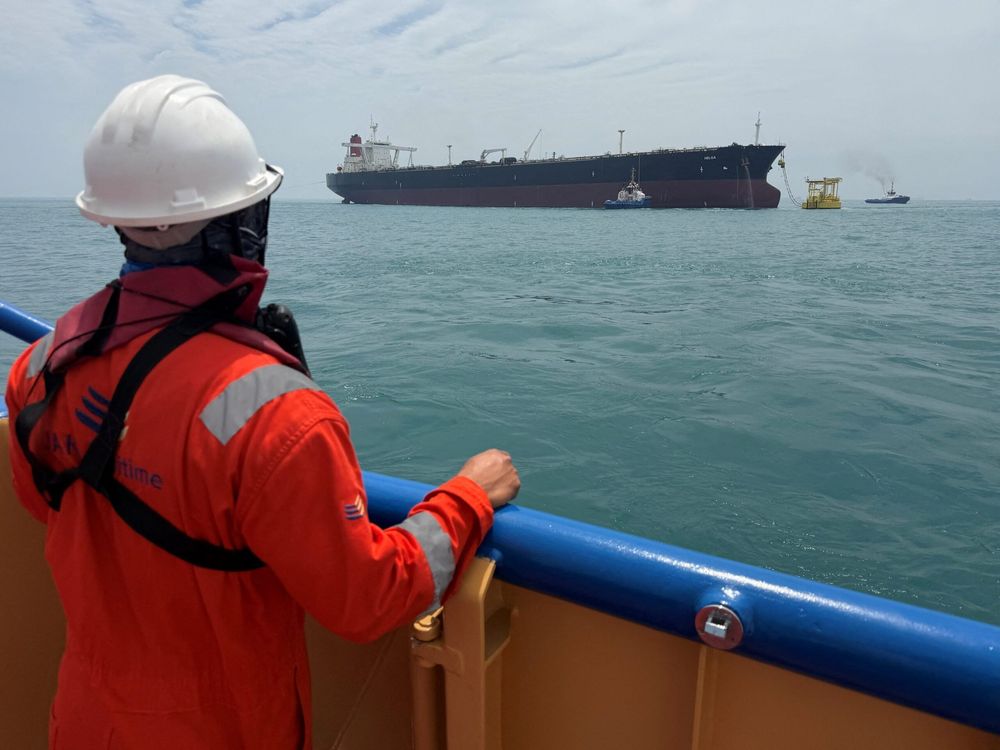
The Trump administration is signaling that any payments made by commercial vessels to Iran's self-declared Strait of Hormuz transit authority could ultimately be recovered from Iranian assets, adding a new twist to the growing battle over control of one of the world's most strategically important waterways.
Treasury Secretary Scott Bessent made the remarks Thursday as U.S. officials pushed back against a declaration by the so-called Persian Gulf Strait Authority (PGSA) that the Strait of Hormuz had been closed "until further notice."
"The Iranian regime will lose the zero-sum game it is playing," Bessent wrote on social media. "Any tolls paid to the Persian Gulf Strait Authority will be offset by funds extracted from their accounts."
Bessent also warned that any damage inflicted on U.S. allies in the Gulf would likewise be repaid through Iranian funds and said additional attacks would only deepen the economic consequences facing Tehran.
The remarks came shortly after U.S. Central Command publicly reaffirmed that the Strait of Hormuz remains open to commercial shipping despite claims by the PGSA that transit had been suspended.
"The Strait of Hormuz remains open for transit," CENTCOM said in a statement, adding that designated transit corridors remain available and that hundreds of vessels have successfully passed through the waterway in recent weeks.
The competing statements highlight the increasingly complex dispute over both physical access to the strait and who has the authority to regulate commercial shipping through the narrow waterway linking the Persian Gulf to global markets.
The PGSA emerged amid the fallout from the U.S.-Iran conflict and the resulting disruption of commercial shipping through the Strait of Hormuz. The organization claims authority over vessel transits through the waterway and has sought to require commercial vessels to obtain authorization and follow routing instructions coordinated with Iranian authorities before passage.
Washington has rejected those claims and moved aggressively against the organization.
In April, the U.S. Treasury Department warned that payments made to Iran or the Islamic Revolutionary Guard Corps for so-called "safe passage" through Hormuz could expose shipowners, insurers, banks and other maritime stakeholders to sanctions risk. Treasury subsequently sanctioned the PGSA in May, accusing it of working with the IRGC to impose a permission-based transit regime and collect fees from commercial vessels.
Treasury officials have alleged that vessels seeking passage are required to provide sensitive operational information and follow routing instructions coordinated with Iranian authorities in exchange for transit approval.
The latest comments from Bessent suggest the administration is moving beyond sanctions enforcement alone and may be exploring ways to financially neutralize any Iranian transit fee system by recovering equivalent amounts from Iranian assets under U.S. control.
The issue has become increasingly important for commercial shipping companies operating in the region, many of which have found themselves caught between competing claims of authority and conflicting security guidance.
Earlier this week, International Maritime Organization Secretary-General Arsenio Dominguez warned that no safe passage currently exists in the Strait of Hormuz despite signs that vessel traffic has begun to recover. "The current situation remains highly volatile, with no reliable security assurances in place," Dominguez said.
The Strait of Hormuz normally handles roughly one-fifth of global oil and LNG trade, making the dispute over transit rights, security guarantees and financial control one of the most consequential maritime issues arising from the conflict.
Fuente: GCAPTAIN_NEWS