• 4 min de lectura
• 4 min de lectura
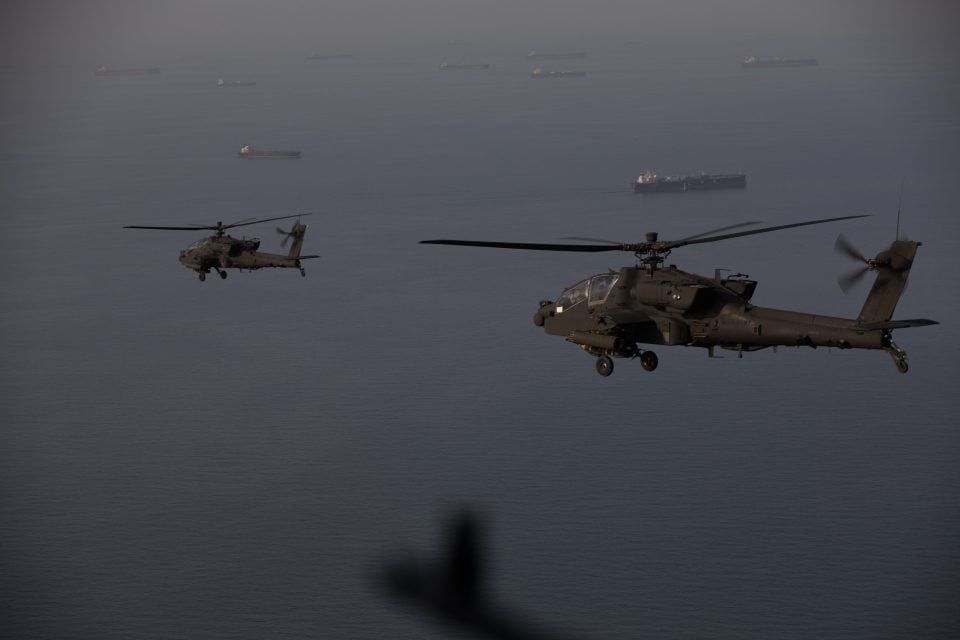
President Donald Trump on Wednesday claimed the U.S. military has been conducting a previously undisclosed operation to help commercial vessels transit the Strait of Hormuz, marking the clearest public acknowledgment yet that Washington has been actively facilitating shipping through the strategic waterway despite repeatedly denying the resumption of formal escort operations.
In a post on Truth Social, Trump said he directed the U.S. military last month to execute a "secret mission" supporting oil tankers and other commercial ships moving through the Strait.
"Today, I am pleased to announce that this effort has resulted in more than 100 MILLION Barrels of Oil making its way through the Strait, and into the Open Market. More than 200 Commercial Ships have safely traveled through the Strait," Trump wrote.
The president further claimed that "the UNITED STATES of AMERICA CONTROLS the Strait of Hormuz — NOT Iran."
Last month, I directed our Great U.S. Military to execute a secret mission to support Oil Tankers and other Commercial Ships through the Straight of Hormuz. Today, I am pleased to announce that this effort has resulted in more than 100 MILLION Barrels of Oil making its way…
The comments provide new insight into U.S. operations in the region and appear to resolve weeks of conflicting statements from American officials regarding the extent of military involvement in commercial shipping transits.
The disclosure follows months of severe disruption to shipping in the Strait of Hormuz after the outbreak of hostilities between the United States and Iran earlier this year. The conflict effectively halted normal commercial traffic through the waterway, which typically handles roughly 20% of global oil supplies.
In early May, the Trump administration unveiled "Project Freedom," a tightly controlled initiative designed to help stranded vessels exit the Persian Gulf via an enhanced security corridor along Oman's territorial waters. The operation was abruptly suspended days later as negotiations with Iran advanced.
Since then, U.S. Central Command has repeatedly denied reports that the operation had resumed.
On May 26, CENTCOM publicly rejected reports that U.S. naval forces were once again escorting merchant ships through Hormuz. "Project Freedom has not resumed, and U.S. forces are not currently escorting commercial vessels through the Strait of Hormuz," CENTCOM said at the time.
However, reporting by Bloomberg and other media outlets subsequently pointed to growing evidence that the U.S. military was quietly coordinating with commercial shipping interests and providing indirect support for selected transits.
Recent reports have indicated that ships moving through the Strait were often traveling close to Oman's coastline, switching off AIS transponders, limiting radio communications, and in some cases receiving military assistance when threatened by Iranian forces.
The latest figures cited by Trump align with other signs that oil flows through the region have been gradually recovering.
Bloomberg reported Wednesday that approximately 2 million barrels per day of oil and petroleum products are now leaving the Gulf, a fraction of pre-war levels but substantially higher than during the height of the disruption. Satellite imagery has also identified increasing numbers of ship-to-ship transfers off the coast of Oman involving cargoes originating from Gulf producers.
The president's statement suggests that while Project Freedom remained suspended and formal naval escorts were not reinstated, the United States may have continued a parallel effort to facilitate commercial shipping through the region.
Neither the White House nor CENTCOM immediately provided additional details regarding the nature of the operation, how vessels were selected for assistance, or the extent of U.S. military involvement.
The comments come as scrutiny of U.S. maritime operations in the region intensifies following reports of the first seafarer casualties linked to blockade enforcement actions. Earlier Wednesday, authorities reported that three crew members remained missing after U.S. forces disabled the tanker M/T Settebello in the Gulf of Oman.
Fuente: GCAPTAIN_NEWS