• 3 min de lectura
• 3 min de lectura
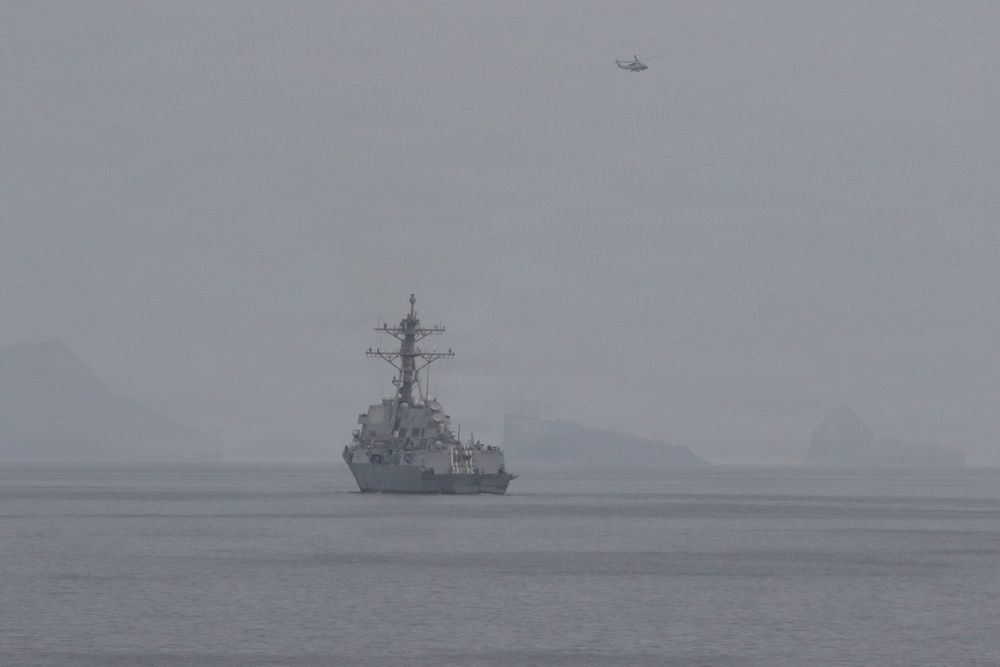
President Donald Trump said Monday that ships are once again moving out of the Strait of Hormuz along a southern transit corridor established during the recent conflict with Iran, describing the route as "totally safe, secure, and pristine."
"Ships are starting to move, many loaded up with Oil, out of the Strait of Hormuz," Trump wrote on Truth Social. "They are going along the Southern 'Highway,' which is totally safe, secure, and pristine. There are other areas of travel, also!!!"
The post appears to reference the so-called Omani route, a corridor used during the U.S.-led Project Freedom operation to move commercial vessels through the region while the Strait remained effectively closed to normal traffic.
Industry guidance issued earlier this month showed ships using the route were transiting at night in close coordination with U.S. naval forces, often following coastal waters off Oman and the United Arab Emirates rather than traditional shipping lanes. The corridor has been handling about 15 vessels per day since last month, according to industry reports and public statements from U.S. officials.
Unlike the Strait of Hormuz's established Traffic Separation Scheme (TSS), which is designed to safely manage large volumes of commercial shipping, the Omani route follows a narrower coastal corridor outside the normal shipping lanes. The alternative route was developed as a temporary measure during the crisis and was never intended to accommodate the full volume of traffic that typically transits the Strait.
While Trump described the route as safe, shipping industry groups have voiced concerns about its navigational challenges.
According to guidance circulated by INTERTANKO, the route passes through relatively confined coastal waters and requires careful management of vessel traffic moving in both directions. Maritime security analysts have also noted that any large increase in ship movements could heighten the risk of collisions, groundings, and other navigational incidents, particularly in a corridor originally designed as a temporary workaround during the crisis.
A return to the traditional traffic separation scheme (TSS) appears unlikely in the near term, as shipowners continue to seek credible security assurances and confirmation that any mine threats have been eliminated.
The issue highlights one of the key challenges facing a potential reopening of the Strait. Even if political agreements lead to a resumption of commercial traffic, shipowners, insurers, and charterers will still have to assess the operational risks of returning vessels to the region.
For much of the conflict, the shipping industry's concern was not only the threat of attacks, but also the safety of navigating alternative routes established to keep trade moving.
The Strait of Hormuz normally handles about a fifth of global oil and liquefied natural gas trade, making any effort to restore traffic through the waterway a closely watched development for energy markets and the shipping industry alike.
Fuente: GCAPTAIN_NEWS