• 3 min de lectura
• 3 min de lectura
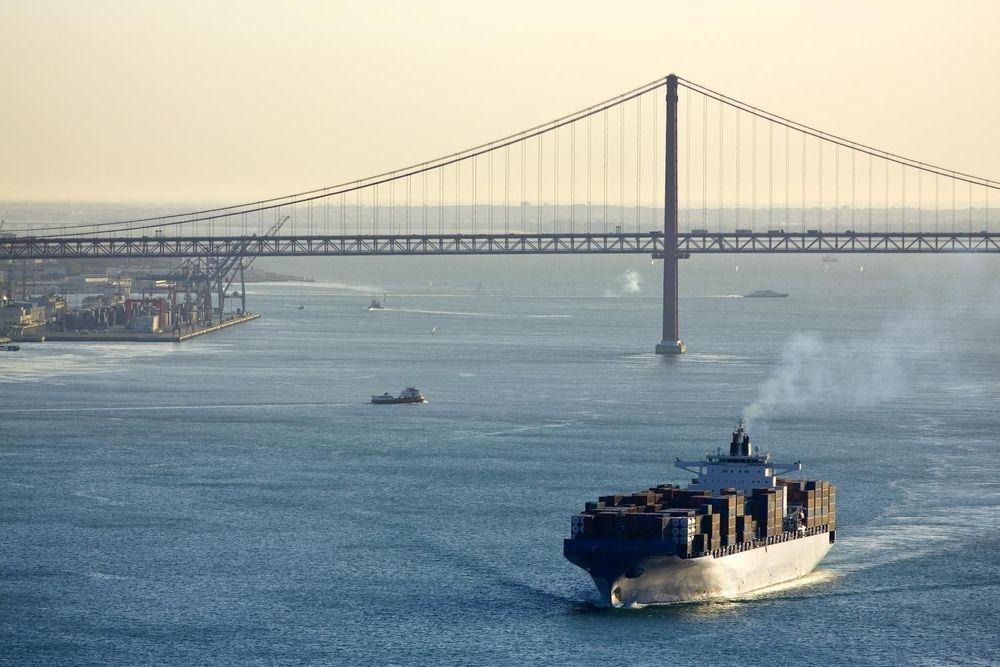
The Port of Lisbon-Setúbal (Portugal) exceeded nine million tons mobilized during the first half of 2026.
Specifically, the maritime station of Lisbon recorded a growth of 3.6%, while the port of Setúbal registered a year-on-year increase of 5.3% in cargo movement during the aforementioned period.
Details of these figures were provided on the Portuguese facility's website, stating that "this result highlights the responsiveness and operational complementarity of the two ports, strengthening the positioning of the region's port system as an integrated logistics platform serving the national economy, international trade, and global supply chains."
Regarding the Port of Lisbon, it was reported that "5.81 million tons of cargo were handled, representing a growth of 3.6% compared to the first half of 2025. This performance was mainly due to solid bulk cargo, which grew approximately 12%, reflecting the increase in imports of cereals, oilseeds, and sugar, and liquid bulk cargo, with a 4% growth, driven by the increase in imports of fuels and ammonia.
"Containerized cargo also maintained a positive trend, registering a 2% growth in TEU, driven, among other factors, by the start of operations of a new regular container service operated by the shipping company Boluda, from the second quarter of 2026, reinforcing the offer of maritime connections from the Port of Lisbon and raising the number of regular container services currently available to 24," the publication added.
In relation to the Port of Setúbal, it was indicated that "it handled 3.27 million tons, reflecting a growth of 5.3% compared to the first half of 2025. This result was due to the good performance of solid bulk cargo, which increased by 12.9%, and containerized cargo, which grew by 6.4%, with container traffic reaching approximately 84,000 TEU, an increase of 9.3% compared to the same period of the previous year."
In this regard, Vítor Caldeirinha, President of the Port Authority of Lisbon-Setúbal, stated that "the results for the first half confirm the solidity of the "Dual Twin Ports" strategy and demonstrate that the complementarity between the ports of Lisbon and Setúbal constitutes a clear added value for the national port system. The positive evolution recorded by both ports reinforces our ability to respond to the demands of international logistics chains, attract investments, generate value for our clients, and contribute to the economic development of the region and the country.
"We will continue to invest in infrastructure modernization, sustainability, and innovation, consolidating the Port Authority of Lisbon-Setúbal as a reference logistics platform in the Iberian and European context," Caldeirinha concluded.