• 2 min de lectura
• 2 min de lectura
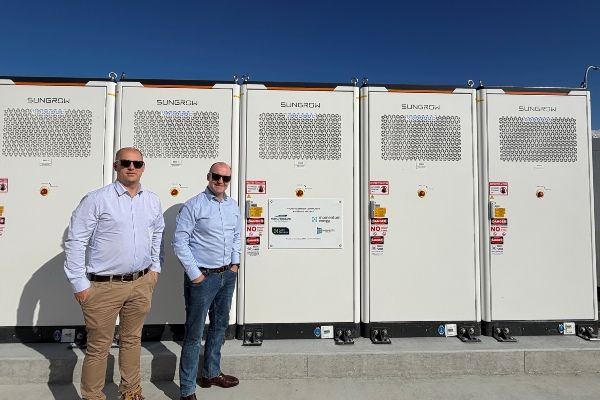
Port of Brisbane (PBPL) continues to invest in the Brisbane International Cruise Terminal (BICT), expanding its total solar capacity with an additional 240 kW of rooftop solar panels and installing a new 1,145 kW/h battery energy storage system (BESS), marking another practical step in the port's energy transition.
The installation of the BESS is part of a pilot project conducted in collaboration with Hydro Tasmania and supported by the Australian Renewable Energy Agency (Arena), which received USD 170,000 in funding for the battery component under the first round of its Community Batteries Program.
While the BICT project will increase total solar capacity by over 1 MW, the BESS component will test how battery storage can optimize energy use by allowing renewable energy to be captured and used on-site, improving electricity supply reliability and reducing demand on the grid.
PBPL CEO Neil Stephens stated that the project demonstrates the port's continued investment in BICT to ensure it remains a sustainable, world-class gateway for visitors to Queensland.
"This trial is an important step in understanding how battery energy storage can contribute to more efficient energy use at the Brisbane International Cruise Terminal. Like many other sectors, port businesses are large energy consumers, and BICT, which welcomes around 150 cruise ships each year, is no exception. While we have already invested in 790 kW of on-site solar, this increased capacity and the new battery storage system will help us understand how we can better manage electricity demand, reduce reliance on the grid, and free up grid capacity for broader community use," said Stephens.
"Through our long-term 2060 Vision, we continue to explore opportunities to expand renewable energy solutions across the Port of Brisbane. In fiscal year 2024, PBPL achieved net-zero emissions (scope 1 and 2, with offsets) and has maintained it since. Continuous investment and initiatives like these are important as we advance on our own decarbonization journey, and I would like to thank Hydro Tasmania and the Australian Renewable Energy Agency for their support in this project," concluded the PBPL CEO.