• 1 min de lectura
• 1 min de lectura
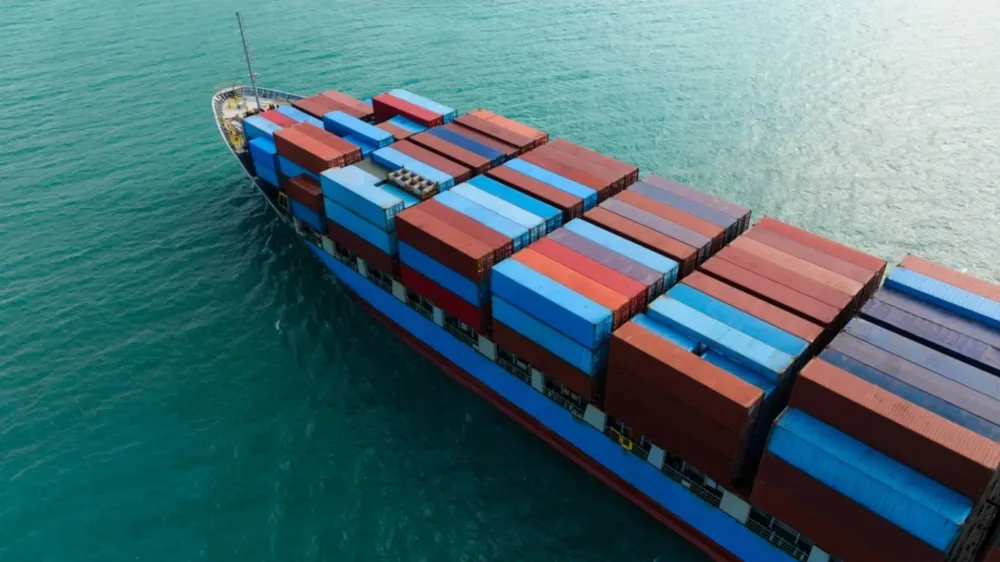
The Chinese-flagged container ship Zhong Gu Nan Chang was among the few vessels that managed to cross the Strait of Hormuz in the last 24 hours, amidst a context of heightened geopolitical tension and growing concern for maritime security in the region. The restricted transit reflects the impact that conflicts and operational risks can generate on one of the most relevant strategic routes for global energy and maritime trade.
The reduction in the flow of vessels through the maritime corridor has drawn attention from logistics operators, shipping companies, and international markets, considering that the Strait of Hormuz concentrates a significant portion of the world's oil, gas, and containerized cargo transport. The continued operations by some China-linked vessels highlight the importance of keeping essential maritime corridors active for international supply chains and global energy supply.
The situation in the Strait of Hormuz could cause significant impacts on logistics costs, transit times, and the stability of international maritime routes. Likewise, the scenario reinforces the need to strengthen maritime security mechanisms, route diversification, and operational risk management, key elements to guarantee the resilience of foreign trade and the continuity of global logistics chains.
Source: camara_ecuador