

• 4 min de lectura
• 4 min de lectura
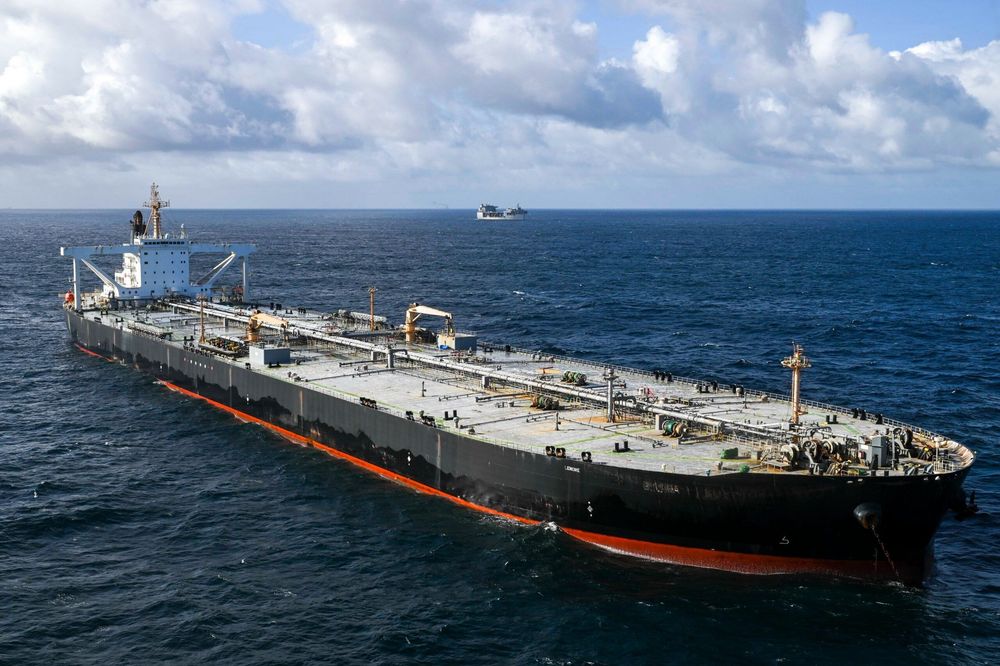
The Trump administration has issued a sweeping temporary sanctions waiver authorizing the production, sale and shipment of Iranian oil, a dramatic reversal of the "maximum pressure" campaign that defined U.S. policy toward Tehran during both President Donald Trump's first and second terms.
Treasury Secretary Scott Bessent announced the move Monday, saying Iran had committed to maintaining "free and open transit in the Strait of Hormuz" and to allowing inspectors from the International Atomic Energy Agency (IAEA) back into the country as part of ongoing negotiations in Switzerland.
"Under President Trump and Vice President Vance, we continue to make the world safer and more prosperous," Bessent said in a statement posted on social media. "In line with the ongoing productive talks in Switzerland, Iran has committed to free and open transit in the Strait of Hormuz and to permit International Atomic Energy Agency inspectors into their country."
As part of the agreement, the Treasury Department's Office of Foreign Assets Control (OFAC) issued Iran General License X, authorizing all transactions "ordinarily incident and necessary" to the production, sale, delivery and offloading of Iranian crude oil, petroleum products and petrochemicals through August 21, 2026.
The scope of the authorization is unusually broad. In addition to allowing oil exports, the license covers a wide range of maritime services, including vessel management, crewing, bunkering, pilotage, registration, flagging, insurance, classification and salvage. It also authorizes transactions involving vessels previously blocked under multiple U.S. sanctions authorities.
Perhaps most notably, the license permits U.S. dollar-denominated payments to Iran for authorized oil transactions, a striking departure from years of efforts aimed at isolating Tehran from the global financial system.
The move represents a stark shift from the policy that Trump championed during his first administration after withdrawing from the Iran nuclear deal in 2018. Under the "maximum pressure" campaign, Washington sought to reduce Iran's oil exports to near zero through sanctions, secondary sanctions and aggressive enforcement against tankers, insurers and financial institutions involved in Iranian trade.
The administration's second-term approach had initially been even more aggressive. Beginning in April, U.S. forces imposed a maritime blockade on Iran, disabled multiple tankers accused of violating sanctions, and redirected scores of vessels seeking to load Iranian oil.
The sanctions relief comes as Iranian oil exports surge following last week's interim memorandum of understanding between Washington and Tehran. Under the agreement, the United States committed to lifting its maritime blockade and providing immediate sanctions waivers tied to Iranian oil exports while broader negotiations continue on nuclear issues, regional security and the future administration of maritime services in the Strait of Hormuz.
According to TankerTrackers.com, Iran has exported approximately 36 million barrels of crude oil since June 15, with roughly an equal amount still held in floating storage. Separately, Bloomberg reported Monday that three U.S.-sanctioned supertankers transiting the Strait of Hormuz carrying a combined 6 million barrels of Iranian crude from Kharg Island, with destinations indicating eventual transfers to buyers in Asia.
The exports follow earlier shipments of roughly 20 million barrels from Chabahar on Iran's Gulf of Oman coast, underscoring the speed with which Tehran is moving to monetize oil that accumulated during months of conflict and blockade.
The policy reversal is likely to raise questions among supporters of Trump's long-standing Iran strategy, as well as within the maritime industry, which now faces a rapidly evolving sanctions landscape.
Whether General License X proves to be a temporary confidence-building measure tied to ongoing negotiations or the beginning of a more permanent shift in U.S. policy toward Iranian oil remains one of the biggest unanswered questions hanging over the post-war order in the Strait of Hormuz.
Fuente: GCAPTAIN_NEWS

