• 3 min de lectura
• 3 min de lectura
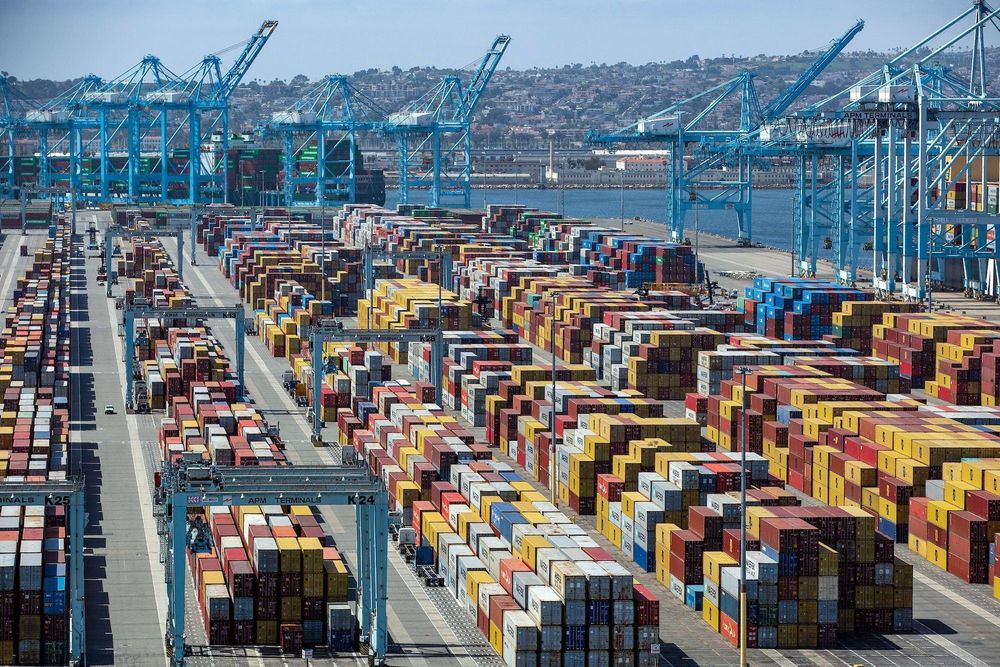
U.S. container imports are on track to reach an all-time monthly record in July as retailers accelerate shipments ahead of potential new tariffs expected to take effect in August, according to the latest Global Port Tracker report from the National Retail Federation (NRF) and Hackett Associates.
The report forecasts U.S. ports will handle 2.47 million twenty-foot equivalent units (TEU) in July, surpassing the previous record of 2.4 million TEU set in May 2022 during the post-pandemic import surge. The anticipated volume represents a 3.3% increase from July 2025.
The surge reflects continued frontloading by importers seeking to avoid higher costs tied to expected changes in U.S. trade policy, according to the report.
"This year's early peak season is expected to continue through July as retailers and other importers prepare for potentially higher tariffs beginning in August and other trade uncertainties," said Jonathan Gold, NRF's vice president for supply chain and customs policy. He added that retailers are also navigating supply chain disruptions tied to the conflict involving Iran while preparing inventory for both the back-to-school shopping season and the year-end holidays.
Temporary 10% global tariffs imposed under Section 122 in February are scheduled to expire on July 24, while the Trump administration is expected to introduce a new round of tariffs targeting goods linked to forced labor as early as August.
Hackett Associates founder Ben Hackett said the recent increase in cargo volumes is largely being driven by those anticipated policy changes.
"Import volumes have risen sharply, with strong growth likely continuing into July," Hackett said. "Much of this increase reflects frontloading ahead of expected tariff increases."
The latest available port data showed major U.S. container ports handled 2.24 million TEU in May, up 14.9% from a year earlier and 10.1% above April levels.
June volumes, which have not yet been finalized by ports, are projected at 2.33 million TEU, an 18.7% increase year over year. That would bring total imports for the first half of 2026 to 12.77 million TEU, about 2% higher than the same period last year.
The report expects volumes to retreat after July. August imports are forecast at 2.22 million TEU, down 4.5% year over year, followed by 1.99 million TEU in both September and October, and 1.92 million TEU in November.
The outlook underscores how the traditional peak shipping season continues to shift earlier in the year. Historically centered around October, import demand has increasingly moved into late spring and summer in recent years as shippers respond to labor disruptions, geopolitical uncertainty and evolving tariff policies.
Despite the strong import volumes, there are few signs of congestion at the nation's largest gateway. The Marine Exchange of Southern California reported only two container ships at anchor on July 2, with none expected to anchor over the July 4 holiday weekend, indicating terminals continue to handle elevated cargo flows without significant vessel queues.
Total U.S. container imports reached 25.4 million TEU in 2025, down slightly from 25.5 million TEU in 2024.
Global Port Tracker covers the nation's largest container gateways, including Los Angeles/Long Beach, Oakland, Seattle, Tacoma, New York/New Jersey, Virginia, Charleston, Savannah, Port Everglades, Miami, Jacksonville and Houston.