• 2 min de lectura
• 2 min de lectura
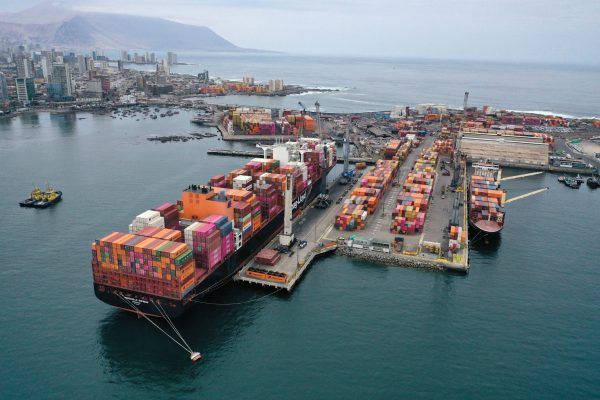
Iquique Terminal Internacional (ITI) successfully dispatched 580 containers of cargo in transit to Bolivia during the last week. The shipments were made possible by the measures implemented by the concessionaire to cope with the increase in goods destined for the Andean country.
According to ITI, these actions have allowed the facility to maintain operational continuity and advance in the normalization of logistical flows, in a context marked by contingencies registered in Bolivian territory. Among the provisions developed are the habilitation of the ZIT as a Temporary Primary Zone and the strengthening of coordination with the different actors in the logistics chain.
ITI Operations Manager, Cristopher López, highlighted that "the measures implemented have allowed us to respond efficiently to the increase in cargo registered during recent weeks, safeguarding the service standards that characterize our terminal. Anticipated coordination with transporters, clients, and authorities has been key to advancing shipments and better facing this logistical challenge, especially the work developed together with Empresa Portuaria Iquique and Customs."
López announced that, with the aim of continuing to ensure operational continuity and address the scenario foreseen for the coming days, ITI is coordinating new actions with transport unions, both national and foreign, also considering the proximity of religious holidays which generate greater demand for logistical services.
From the terminal, the dispatch of more than 1,000 additional containers from Zofri and transit cargo is projected during this period, strengthening the terminal's response capacity to the needs of its clients.
"We will continue working with all actors in the logistics chain to facilitate cargo flow, especially during a period of high demand. Our commitment is to continue supporting Bolivian foreign trade and provide solutions that allow maintaining the efficiency of operations for the benefit of our clients," said López.
ITI called for close coordination between authorities and members of the logistics chain, so that the measures adopted consider the operational requirements associated with the transit of international cargo, thus helping to avoid an accumulation of containers and greater congestion in the port system.