• 3 min de lectura
• 3 min de lectura
Electrical workers at BHP's Port Hedland operations in Western Australia could go on strike before the financial year ends on June 30. The Electrical Trades Union (ETU) will conduct a vote to determine the group's course of action.
"BHP needs to pay attention and Tim Day needs to realize he needs to negotiate with us," said union leader Adam Woodage, referring to the mining company's iron ore director in Western Australia.
This raises the risk of disruptions to iron ore shipments from one of the world's largest export hubs.
The ETU stated that it has initiated the process for its members to authorize a strike, which could "most likely" take place by the end of June if a wage agreement is not reached.
This follows six months of stalled negotiations with BHP, the world's largest listed mining company, to agree on a collective bargaining agreement, as workers demand improvements in their wages and working conditions.
The possibility of a strike has led pension funds and investors to express concern about exports.
"Our members have not taken this lightly," said Adam Woodage, the union's state secretary, at a press conference in Perth.
"BHP has stalled negotiations for a period of up to six months. There has been very little progress from the company, and what little they have offered has been an insult to our members," he added.
A strike would have a "significant impact on operations" and could completely paralyze the export hub, Woodage added.
A BHP spokesperson stated that the mining company is negotiating a new agreement with its port operations teams.
"Should union disruptions occur at our facilities, we have robust contingency plans in place to protect our personnel and ensure operations continue safely and reliably," the spokesperson added.
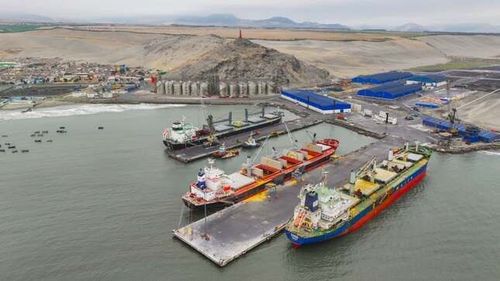
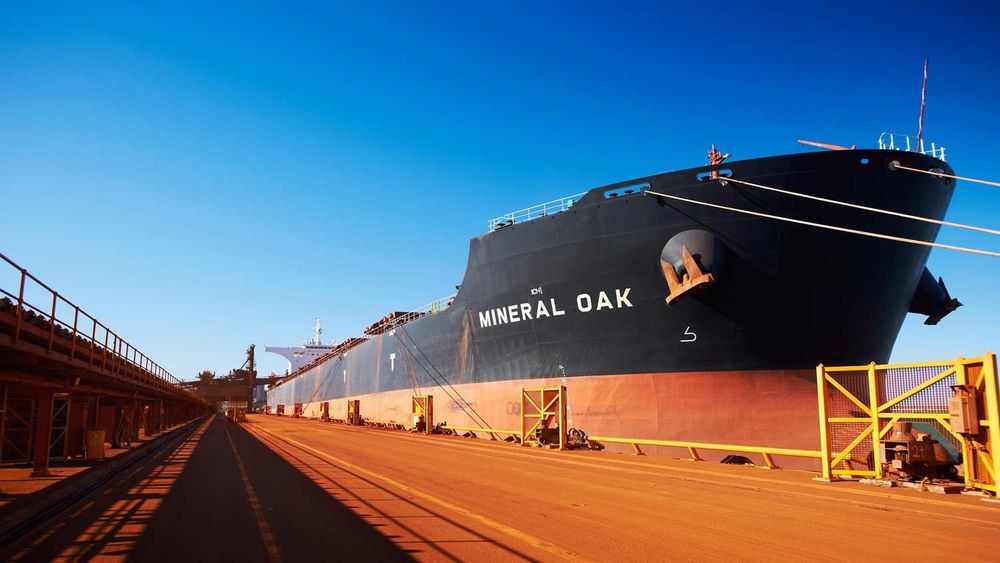
Port Hedland is one of the world's largest iron ore loading port facilities and the largest in Australia. It is connected to several of BHP's mines in the Pilbara region and is used for all of its iron ore exports in Western Australia.
BHP's collective bargaining agreement covers approximately 450 port workers, of whom about 200 are ETU members.
Unionized workers will vote in the next two weeks to support work stoppages ranging from 15 minutes to 24 hours, the ETU reported. "We anticipate they will support taking those actions," Woodage said.
"BHP made a profit of US$10.73 billion last year, so BHP has enough money in the bank to share with its workers. Our members are just looking for a slice of that money," he added.
Pension funds and investors say they are concerned about the impact strikes could have on exports.
Union members confirmed that they had met on Wednesday, May 27, in Perth with asset manager BlackRock on the sidelines of the Australian Financial Review Mining Summit, as previously reported by The Australian newspaper.
Various panel members expressed their discontent throughout the day with the labor relations reforms introduced by the center-left Labor Party government, as well as with the return of unions to the Pilbara mining region after decades of absence.
BHP's iron ore director, Tim Day, stated that his workers are among the highest paid in the country, but that changes to the laws—including one that allows union members access to mining facilities—make it difficult for the company to operate.
"You compete on a global scale in absolutely everything: you try to attract investment, you try to get a cheaper product, so this does have an impact. In fact, it's already impacting," he affirmed.