• 3 min de lectura
• 3 min de lectura
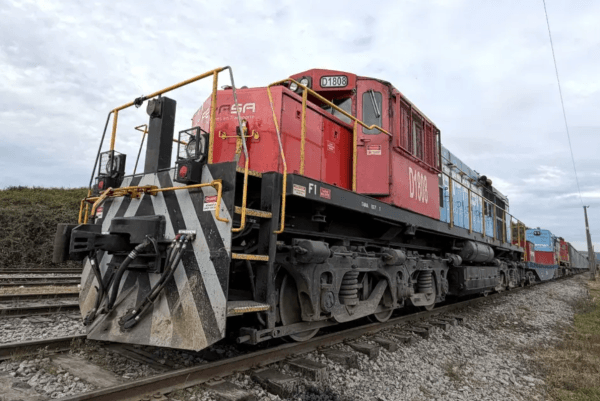
The Infrastructure and Logistics Department of the Chilean Wood Corporation (Corma) conducted a technical visit to Puerto Coronel, along with professionals from EFE, Transap, Fepasa, and the consulting firm Consultrans, with the aim of coordinating the future railway extension between Coronel and Lota to support freight transport.
The day involved touring the maritime terminal's railway yard, reviewing the capacity of the railway grid, existing and projected sidings, and identifying the main critical points of the route between Coronel and Lota.
The purpose of the visit was to validate technical simulations with real operations on site, incorporating background information to optimize the definitive design of the future infrastructure.
For Corma, this initiative represents a strategic opportunity to project a railway network prepared for the logistical needs of the coming decades, considering that Bio Bio concentrates a significant portion of freight movement in southern Chile and constitutes the main gateway for forestry exports and other productive sectors.
The president of Corma's Infrastructure and Logistics Department, Gonzalo Pelén, explained that "we are reviewing how this initiative safeguards conditions for freight, while also providing better mobility for people and projecting the growth of railway transport into the future."
Pelén added that "this is a neuralgic point of the freight railway network in southern Chile. Most of the cargo arriving at the ports from Arauco province, as well as trains coming from the north, circulate through here. This project must ensure freight operation not only for today but for the next 20 years."
Currently, this railway corridor primarily transports cellulose, logs, and inputs for the forestry industry. Furthermore, freight growth is projected in the coming years, incorporating products such as salmon, fruits, and even goods from Argentina.
In this context, Corma proposed as a priority the incorporation of a double track in high-demand sectors, a solution that would increase the operational capacity of the railway line, improve service frequency, provide greater safety and flexibility in contingencies, and ensure efficient coexistence between passenger and freight trains.
The president of Corma Bio Bio and Ñuble, Alejandro Casagrande, stated that "railway development is an opportunity to boost Bio Bio's competitiveness. The extension of the service must integrate passenger and freight transport, because both are essential for regional development. The forestry sector represents about 65% of the region's exports, and about 80% of that production leaves through Bio Bio ports, including Coronel. Strengthening the railway means having more efficient, sustainable, and competitive logistics, especially in a scenario of higher costs and challenges for foreign trade."
For his part, the deputy manager of National Transport at CMPC, Andrés Mariánjel, valued that "this working group brings together all cargo generators and railway operators, and we fully understand the need to improve the transport of people, but we also need to ensure that this does not become a limitation for the growth of the region's and the country's exports."
According to the organization, the technical visit is part of a permanent working group that Corma and EFE are developing to strengthen the design of the Coronel–Lota railway extension project, promoting modern, resilient infrastructure prepared to respond to the growth of logistical and productive activity in Bio Bio over the coming decades.